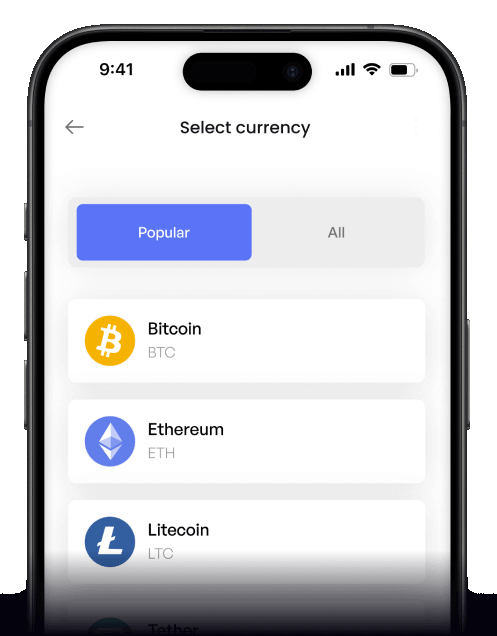
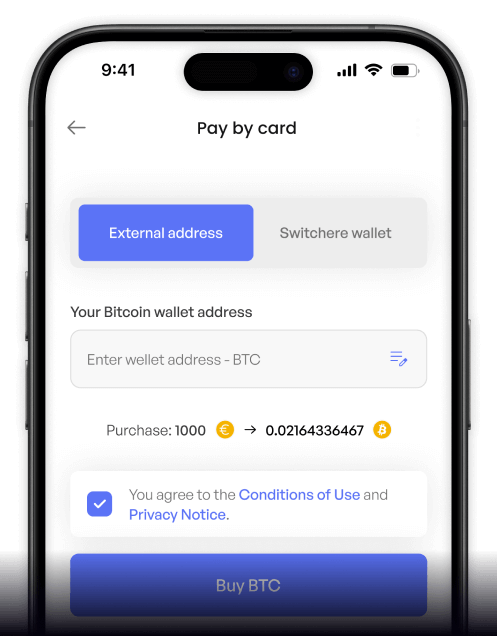
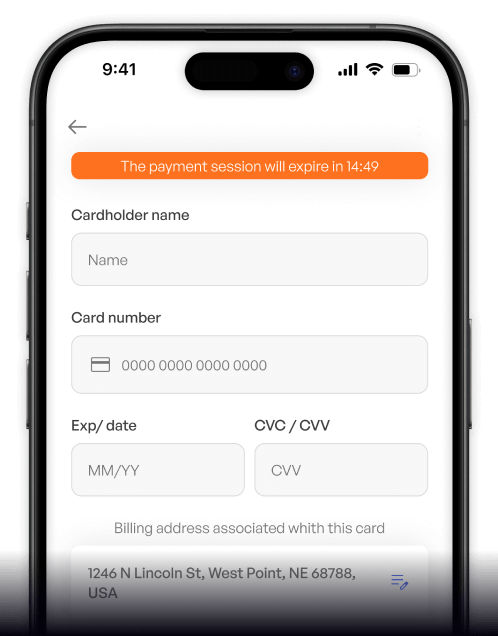
Purchase Cartesi (CTSI) with Georgian Lari (GEL) easily at Switchere and benefit from fast, secure transactions.
Cartesi (CTSI) is a Layer-2 infrastructure platform designed to resolve the critical issue of computational scalability and high costs on blockchain networks. Often referred to as "The Blockchain OS," its primary objective is to enable decentralized applications (dApps) with complexities that rival their centralized Web2 counterparts. Cartesi achieves this by allowing developers to build smart contracts and dApps within a full Linux operating system environment, utilizing mainstream programming languages and software stacks. This approach significantly lowers the barrier to entry for developers transitioning from Web2 to Web3, fostering a richer and more powerful dApp ecosystem built on robust blockchain technology.
The core of the platform is the Cartesi Machine (CM), a deterministic virtual machine that executes intensive computations off-chain. By leveraging Optimistic Rollups, Cartesi can process these complex calculations externally while anchoring the results with cryptographic security on the underlying Layer-1 blockchain, such as Ethereum. This hybrid model provides the immense computational power of off-chain processing with the verifiable trust of an on-chain digital ledger. The native utility token, CTSI, is integral to the network's tokenomics. It is used for staking within Cartesi's Noether Proof-of-Stake (PoS) sidechain, where node runners help secure the network and earn rewards. CTSI also functions as the payment method for computation and data availability services within the ecosystem.
The GEL/CTSI pair represents a direct fiat on-ramp allowing you to purchase Cartesi's utility token, CTSI, using the Georgian Lari (GEL). Cartesi is a Layer-2 platform that enables developers to build scalable decentralized applications (dApps) in a Linux environment. This pair facilitates direct investment into the Cartesi ecosystem for users with GEL, bypassing the need to first convert to another major currency like USD or EUR.
Cartesi's unique proposition is its use of the Cartesi Machine, a Linux-based virtual machine. Unlike EVM-centric solutions, this allows developers to build dApps using mainstream programming languages and software stacks they already know. This significantly lowers the barrier to entry for Web3 development. Furthermore, Cartesi Rollups use this environment to perform complex off-chain computations, with the main blockchain only used for verification, leading to massive scalability gains.
Yes. While trading GEL for CTSI on a centralized exchange involves trading fees, moving your CTSI off the exchange requires a blockchain transaction. CTSI is primarily an ERC-20 token on the Ethereum network. Therefore, when you withdraw CTSI to a non-custodial digital wallet, you must pay an Ethereum network fee, known as 'gas' (paid in ETH). This gas fee can fluctuate based on network congestion. Always check the current gas price before initiating a withdrawal.
To acquire CTSI with Georgian Lari, you'll typically use a centralized cryptocurrency exchange that supports GEL deposits. The most common payment methods include local bank transfers, debit/credit card payments from Georgian banks, and potentially local payment services. You will need to complete KYC/AML compliance checks on the platform before you can deposit GEL and place an order on the GEL/CTSI order book.
The CTSI token is integral to the Cartesi network. Its main utilities include: 1) Staking for Noether's PoS side-chain, where users stake CTSI to help secure the network and earn rewards. 2) Serving as collateral for node runners who execute computations. 3) Paying for data processing fees on Cartesi Rollups. This creates a circular economy where the digital asset's demand is driven by the platform's adoption and usage.
For secure trading, always use a reputable cryptocurrency exchange that supports GEL and has strong security measures. Enable two-factor authentication (2FA) on your exchange account. After purchasing, the most secure way to store your digital asset is to move your CTSI from the exchange to a non-custodial wallet where you control the private keys. For long-term holding, a hardware wallet is considered the gold standard for security.