


- Strona główna
- Konwerter
- Georgian Lari (GEL) do Ethereum Name Service (ENS)

Konwertuj
Georgian Lari (GEL) na Ethereum Name Service (ENS) natychmiast


Kupuj Ethereum Name Service (ENS) z Georgian Lari (GEL) łatwo w Switchere i korzystaj z szybkich, bezpiecznych transakcji.
O
Ethereum Name Service (ENS)
Ethereum Name Service (ENS) to zdecentralizowany system nazewnictwa zbudowany na blockchainie Ethereum, tłumaczący czytelne maszynowo identyfikatory, takie jak adresy portfeli, skróty treści i metadane, na czytelne dla człowieka nazwy `.eth`. Jego głównym celem jest poprawa doświadczenia użytkownika w całym ekosystemie Web3, upraszczając interakcje z dApps, zasobami cyfrowymi i aplikacjami DeFi, podobnie jak system nazw domen (DNS) obsługuje tradycyjny Internet. Ta warstwa tożsamości w łańcuchu poprawia dostępność technologii blockchain poprzez abstrakcję złożonych ciągów szesnastkowych, dzięki czemu zdecentralizowana sieć jest bardziej łatwa w nawigacji.
Pod względem technologicznym ENS działa za pośrednictwem zestawu inteligentnych kontraktów na Ethereum. Każda zarejestrowana nazwa `.eth` jest niewymienialnym tokenem ERC-721 (NFT), gwarantującym użytkownikom prawdziwą własność, zbywalność i bezpieczeństwo kryptograficzne. Protokół obsługuje odwrotną rozdzielczość, umożliwiając aplikacjom wyświetlanie przyjaznych dla użytkownika nazw ENS zamiast surowych adresów, a także może wskazywać na zdecentralizowane strony internetowe hostowane na IPFS. Natywny token ENS jest tokenem zarządzania, uprawniającym jego posiadaczy do udziału w ENS DAO. Wiąże się to z głosowaniem nad kluczowymi aktualizacjami protokołu, zarządzaniem skarbem i dostosowywaniem parametrów, kierując przyszłością standardu nazewnictwa tej zdecentralizowanej sieci i jej tokenomiki.
ENS jest uznawany za fundamentalną infrastrukturę Web3, kluczową dla poprawy interakcji użytkowników i ustanowienia przenośnej, należącej do użytkownika tożsamości w łańcuchu. Mapując zapadające w pamięć nazwy do różnych zasobów blockchain, znacznie obniża bariery wejścia dla nowych użytkowników. Ta użyteczność pozycjonuje ENS jako kluczowy czynnik umożliwiający szersze przyjęcie zdecentralizowanych technologii i jest integralną częścią bardziej intuicyjnej księgi cyfrowej. Jego rola w upraszczaniu złożonych interakcji w ekosystemie Ethereum i poza nim podkreśla jego znaczenie w budowaniu bardziej zorientowanej na użytkownika sieci Web3, wspierając wzrost w obszarach takich jak rynki NFT i zdecentralizowane media społecznościowe.

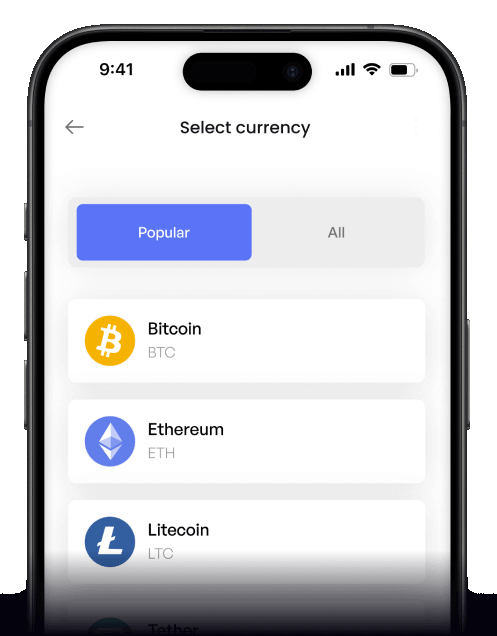
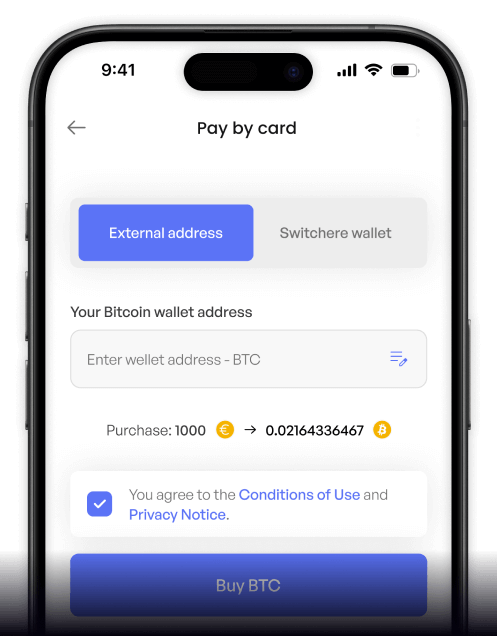
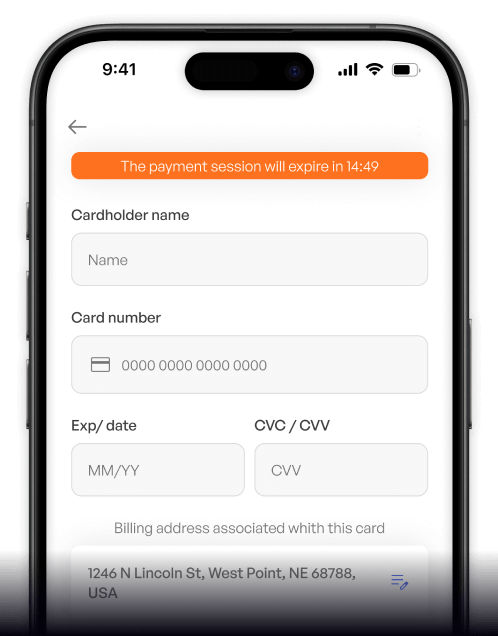
Jak kupić Ethereum Name Service (ENS)
 Wskazówki krok po kroku
 Łatwe płatności kartą kredytową
 Usprawniony proces zakupu
 Web
Web
Popularne monety za Georgian Lari (GEL)




Inne monety za Georgian Lari (GEL)




Często zadawane pytania
-
Jak wygląda typowy proces zakupu tokenów Ethereum Name Service (ENS) za gruzińskie Lari (GEL)?
Ponieważ bezpośrednie pary handlowe GEL/ENS są rzadkie, standardowa metoda obejmuje wieloetapowy proces wejścia na rynek fiat. Zazwyczaj używasz regionalnej giełdy kryptowalut, która akceptuje GEL, aby kupić główny zasób cyfrowy, taki jak Bitcoin (BTC) lub stablecoin (USDT), za pośrednictwem lokalnego przelewu bankowego. Następnie transferujesz ten zasób na globalną giełdę z dużą płynnością dla ENS, aby sfinalizować transakcję. Zawsze weryfikuj zgodność z KYC/AML na obu platformach. -
Poza handlem, jaka jest główna funkcja tokena ENS w ekosystemie Ethereum?
Token ENS jest zasadniczo tokenem zarządzania. Posiadacze mogą uczestniczyć w ENS DAO (Zdecentralizowanej Autonomicznej Organizacji), aby głosować nad kluczowymi propozycjami, które kształtują przyszłość protokołu. Obejmuje to decyzje dotyczące zarządzania skarbcem, uaktualnień protokołu oraz struktury cenowej rejestracji i odnawiania domen `.eth`, które służą jako nazwy użytkowników Web3. -
Czy istnieją bezpośrednie bramki fiat do zakupu ENS za GEL i jakie metody płatności są powszechne?
Bezpośrednie bramki fiat z GEL do ENS nie są powszechnie dostępne. Najczęstsza ścieżka polega na użyciu gruzińskiego Lari на lokalnej lub P2P platformie, która obsługuje metody płatności, takie jak przelewy z TBC Bank lub Bank of Georgia. Najpierw nabywasz płynną kryptowalutę, a następnie wymieniasz ją na ENS na innej platformie, która listuje ten token. -
Po nabyciu tokenów ENS, jakie środki bezpieczeństwa są kluczowe do przechowywania tego cyfrowego aktywa?
Po zakupie ENS kluczowe jest przeniesienie go z giełdy do bezpiecznego portfela cyfrowego, w którym kontrolujesz klucze prywatne. Opcje obejmują portfele sprzętowe dla maksymalnego bezpieczeństwa lub renomowane portfele programowe. Ta samoopieka chroni Twoje aktywa i pozwala na bezpośrednie uczestnictwo w głosowaniu ENS DAO oraz innych integracjach dApp w ekosystemie Ethereum. -
Jakiego rodzaju opłat powinienem się spodziewać przy konwersji GEL na ENS?
Całkowity koszt obejmuje kilka warstw opłat. Po pierwsze, potencjalna opłata za depozyt gruzińskiego Lari. Po drugie, opłata transakcyjna na początkowej giełdzie za zakup bazowej kryptowaluty. Po trzecie, opłata za wypłatę lub transakcję blockchain, która dla tokena ERC-20, takiego jak ENS, będzie opłatą za gaz Ethereum (płaconą w Gwei). Na koniec, kolejna opłata transakcyjna na giełdzie, na której wymieniasz na ENS. Opłaty za gaz mogą się znacznie różnić w zależności od przeciążenia sieci.

Kupuj w dowolnym miejscu
Gdziekolwiek. Kiedykolwiek.
Kupuj kryptowaluty kartą kredytową z dowolnego miejsca. Aktualne kursy, przejrzyste opłaty i protokół 3D Secure przy każdym zamówieniu – pełna funkcjonalność serwisu Switchere do zakupu kryptowalut za pomocą karty w zasięgu ręki.



Zeskanuj, aby pobrać aplikację na iOS i Androida

