Convert
Georgian Lari (GEL) to THORChain (RUNE) Instantly
Purchase THORChain (RUNE) with Georgian Lari (GEL) easily at Switchere and benefit from fast, secure transactions.
About
THORChain (RUNE)
THORChain (RUNE) is a decentralized liquidity protocol built to facilitate cross-chain swaps of native digital assets in a permissionless, non-custodial manner. Operating as an independent Layer-1 blockchain using the Cosmos SDK and Tendermint consensus mechanism, it enables users to exchange cryptocurrencies like native Bitcoin for native Ethereum without relying on wrapped tokens or centralized intermediaries. This is a crucial piece of Web3 infrastructure designed to solve the problem of fragmented liquidity across disparate blockchain ecosystems. The network's architecture is centered around Continuous Liquidity Pools (CLPs), where liquidity providers deposit assets alongside the native utility token, RUNE.
The RUNE token is integral to the protocol's tokenomics and security. It serves four key functions: acting as the base pairing asset in all liquidity pools, providing the economic bond for node operators to ensure network security (a form of Sybil resistance), functioning as the settlement currency for all swaps, and being used for on-chain governance. This design creates a deterministic value for RUNE based on the total liquidity locked in the network. By connecting chains through its Bifrost Protocol, THORChain stands as a fundamental pillar for seamless interoperability and native asset settlement within the broader DeFi applications landscape.
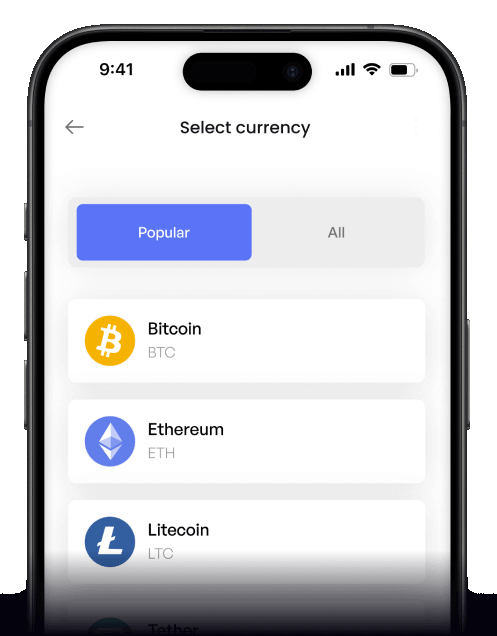
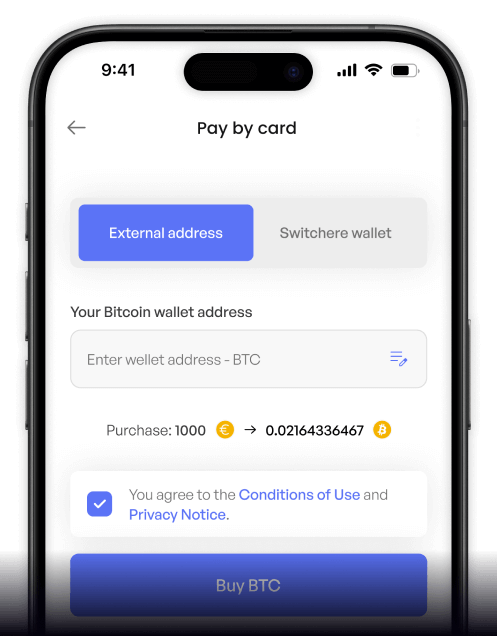
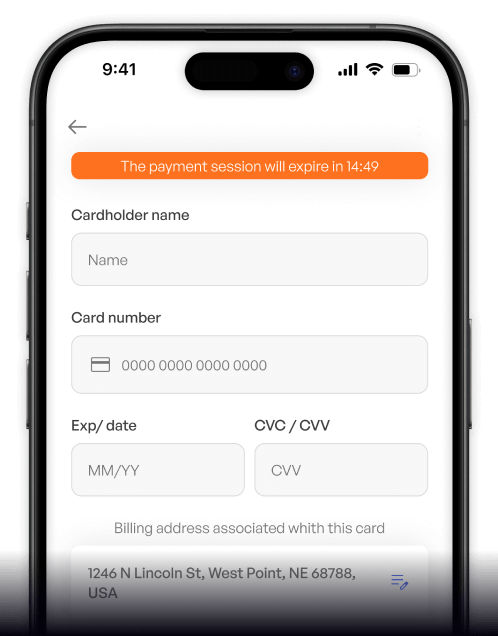
How to Buy THORChain (RUNE)
Popular Coins for Georgian Lari (GEL)
Other Coins for Georgian Lari (GEL)
Frequently asked questions
-
What is the primary method to buy THORChain (RUNE) with Georgian Lari (GEL)?
Typically, a direct GEL/RUNE trading pair is rare. The most common method involves using a cryptocurrency exchange that accepts GEL deposits via local bank transfers. Users first purchase a major cryptocurrency like Bitcoin (BTC) or a stablecoin (USDT), and then use that digital asset to trade for RUNE on an exchange that lists it. This process acts as a fiat on-ramp into the THORChain ecosystem. -
What makes purchasing RUNE a gateway to the THORChain cross-chain liquidity protocol?
The RUNE token is fundamental to the economic security of the THORChain network. It is used for governance, paired in every continuous liquidity pool (CLP), and bonded by node operators. By acquiring RUNE, you gain access to participate in the protocol, such as providing liquidity for native asset settlement in cross-chain swaps or potentially participating in its governance, moving beyond a simple digital asset holding. -
What are the typical fees when transacting from GEL to RUNE?
The process involves several potential fees: a GEL deposit fee from your bank to the exchange, a trading fee on the exchange for the GEL-to-crypto and then crypto-to-RUNE transactions (often a percentage of the volume), and finally a network withdrawal fee to move your RUNE tokens from the exchange to a secure digital wallet. These fees vary significantly between different fiat on-ramp platforms and exchanges. -
Do I need to complete KYC/AML to buy RUNE with GEL?
Yes, any reputable centralized cryptocurrency exchange that functions as a fiat on-ramp for GEL will require you to complete Know Your Customer (KYC) and Anti-Money Laundering (AML) verification. This is a standard regulatory requirement to prevent illicit activities and involves providing personal identification documents. This compliance ensures a secure trading environment. -
What is the importance of withdrawing RUNE to a personal digital wallet after purchase?
Withdrawing your RUNE from a centralized exchange to a personal, non-custodial wallet gives you full control over your private keys and, therefore, your digital assets. This is a critical security practice that protects your holdings from exchange-specific risks like hacks or freezes. It also allows you to interact directly with the THORChain protocol and other decentralized applications, for example, by using AsgardEX to perform native asset settlement in cross-chain swaps.