


Converter
Georgian Lari (GEL) em USDC (Polygon) instantaneamente


Compre USDC (Polygon) com Georgian Lari (GEL) facilmente na Switchere e beneficie-se de transações rápidas e seguras.
Sobre
USDC (Polygon)
A USD Coin (USDC) que opera na rede Polygon representa uma stablecoin com garantia fiduciária crítica, projetada para fornecer estabilidade de preços, mantendo uma paridade de 1:1 com o dólar americano, ao mesmo tempo em que aproveita a eficiência da solução de escalonamento da camada 2 da Polygon. Seu objetivo principal é oferecer um dólar digital confiável e transparente que facilite transações de baixo custo e alta velocidade dentro do ecossistema financeiro descentralizado (DeFi) em rápida expansão da Polygon. Cada token USDC é respaldado por um dólar americano mantido em reservas, gerenciado pelo consórcio Centre (fundado pela Circle e pela Coinbase), com atestados regulares que garantem a transparência e a possibilidade de resgate, cruciais para um ativo digital confiável.
Tecnologicamente, o USDC no Polygon utiliza o mecanismo de consenso Proof-of-Stake (PoS) da rede e sua arquitetura compatível com EVM. Isso permite a integração perfeita em uma vasta gama de dApps baseados no Polygon, proporcionando taxas de gás significativamente reduzidas e liquidação de transações mais rápida em comparação com as operações da rede principal Ethereum. Originalmente um token ERC-20, o USDC é conectado à cadeia PoS do Polygon, onde funciona como um ativo digital nativo. Sua utilidade é extensa, servindo como um meio vital de troca, uma unidade de conta estável e uma reserva confiável de valor. Casos de uso proeminentes incluem provisão de liquidez em protocolos DeFi, garantia para empréstimos e empréstimos, trilhos de pagamento eficientes e um par de negociação comum em trocas descentralizadas (DEXs). A presença robusta do USDC no Polygon aumenta a liquidez e a interoperabilidade e é um elemento fundamental para o desenvolvimento da infraestrutura Web3 nessa tecnologia de blockchain escalável.
Como comprar USDC (Polygon)
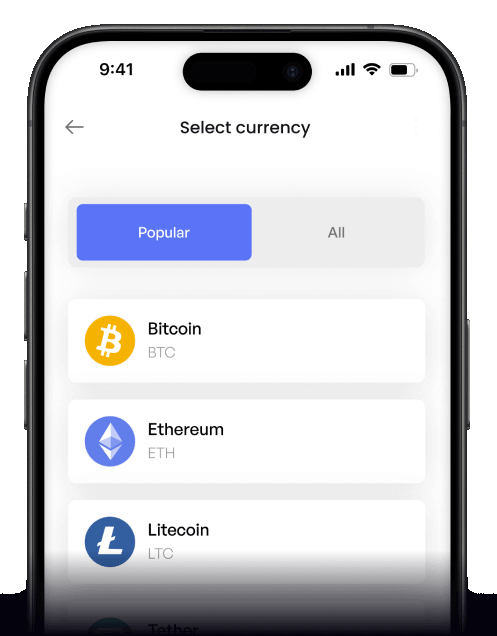
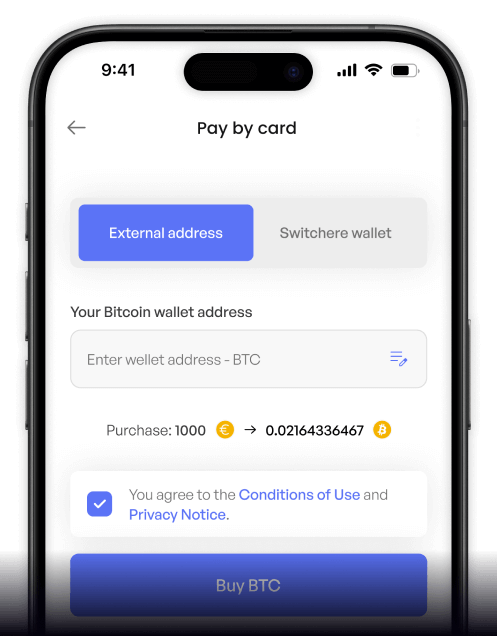
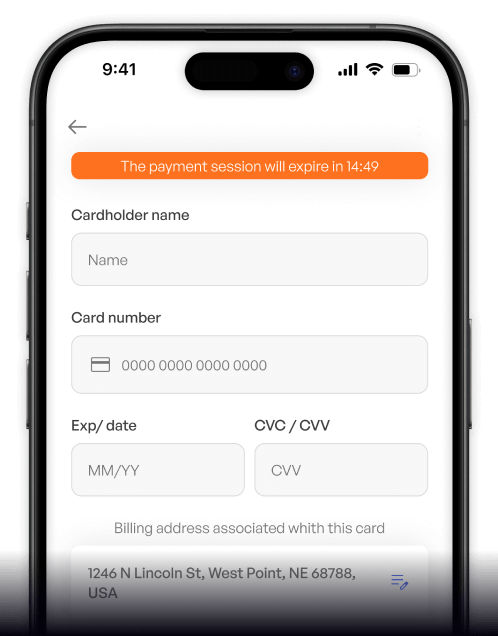
 Orientação passo a passo
 Pagamentos fáceis com cartão de crédito
 Processo de compra simplificado
 Web
Web
Moedas populares para Georgian Lari (GEL)




Outras moedas para Georgian Lari (GEL)




Perguntas frequentes
-
Como posso trocar diretamente Lari Georgiano (GEL) por USDC nativo da Polygon?
Para converter GEL em USDC na rede Polygon, você pode usar gateways fiat (on-ramps) locais da Geórgia ou exchanges globais de criptomoedas que suportam depósitos em GEL. Métodos populares incluem transferências bancárias, como através do TBC ou Bank of Georgia, ou o uso de cartões de crédito e débito. Depois de comprar o ativo digital na exchange, certifique-se de selecionar a rede Polygon (MATIC) para o saque, a fim de se beneficiar da escala de Camada 2 (Layer 2) e das baixas taxas de gás, mantendo suas transações de stablecoin econômicas. -
Quais são os benefícios de transferir USDC via rede Polygon em vez de Ethereum ao comprar com GEL?
Comprar USDC com GEL e utilizar a cadeia PoS da Polygon oferece taxas de gás significativamente mais baixas e finalidade de transação mais rápida em comparação com a rede principal do Ethereum. Como a Polygon é uma solução de escalabilidade de Camada 2 (Layer 2) compatível com EVM, ela processa transações com alta taxa de transferência. Isso significa que suas stablecoins colateralizadas em fiat chegam à sua carteira digital muito mais rápido e mais barato, tornando-a altamente otimizada para interações de finanças descentralizadas (DeFi). -
Existem requisitos de KYC/AML ao comprar USDC (Polygon) com Lari Georgiano?
Sim, gateways fiat regulamentados e exchanges de criptomoedas centralizadas exigem conformidade com KYC (Conheça seu Cliente) e AML (Prevenção à Lavagem de Dinheiro) ao depositar GEL. Normalmente, você precisará verificar sua identidade usando um documento emitido pelo governo e, às vezes, um comprovante de residência antes de poder acessar o livro de ofertas (order book) e garantir liquidez para sua compra de stablecoin indexada 1:1 ao USD. -
Posso usar métodos de pagamento locais da Geórgia para financiar minha compra de USDC na Polygon?
Absolutamente. Muitas plataformas de criptomoedas regionais e redes peer-to-peer (P2P) suportam métodos de pagamento locais da Geórgia, incluindo transferências diretas de grandes instituições como Bank of Georgia ou TBC Bank, e terminais de pagamento locais como o Paybox. Uma vez que o GEL é depositado através dessas rampas de fiat (on-ramps), você pode negociá-lo por USDC e sacá-lo diretamente para sua carteira digital Web3 através da rede Polygon. -
Onde devo armazenar meus USDC da Polygon após comprá-los com GEL?
Após concluir sua transação GEL/USDC, é altamente recomendável transferir suas stablecoins para uma carteira digital de autocustódia (self-custodial) que suporte redes compatíveis com EVM, como MetaMask ou Trust Wallet. Certifique-se de ter adicionado o Polygon RPC à sua carteira. Armazenar seus ativos digitais fora da exchange melhora as práticas de negociação segura e lhe dá acesso direto ao ecossistema de finanças descentralizadas (DeFi) da Polygon.

Compre em qualquer lugar
Em qualquer lugar. A qualquer hora.
Compre criptomoedas com seu cartão de crédito de qualquer lugar. Taxas em tempo real, tarifas transparentes e 3D Secure em todos os pedidos — toda a experiência de compra com cartão da Switchere no seu bolso.



Digitalize o código para baixar o aplicativo para iOS e Android

