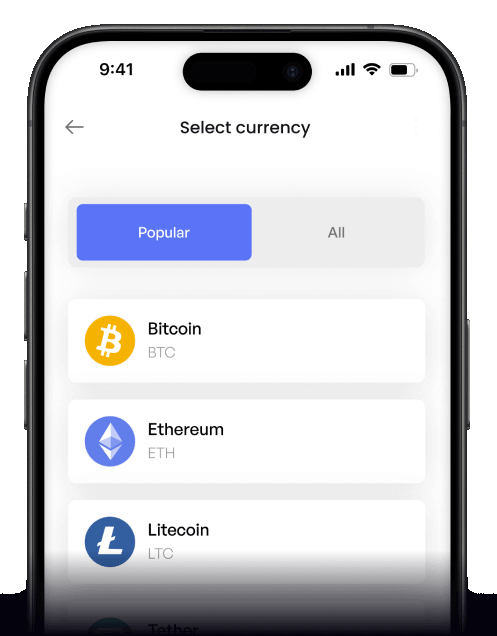
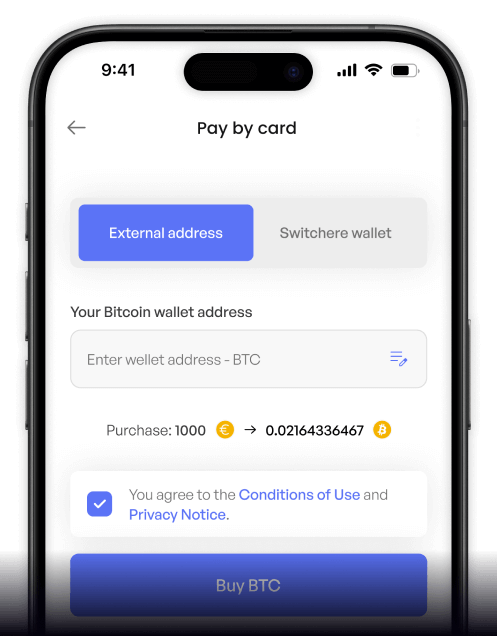
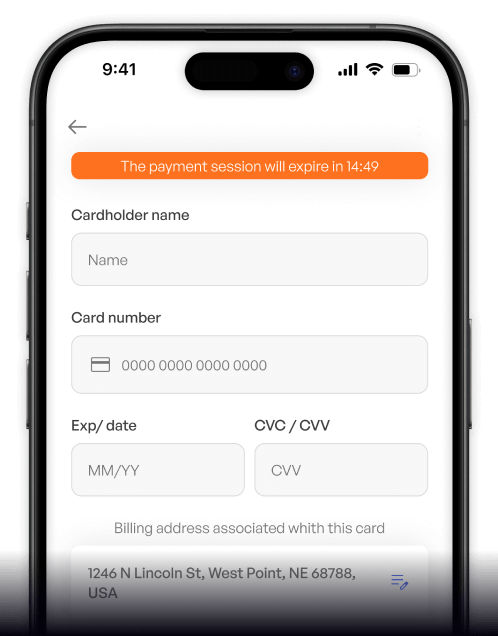
Purchase ETHPoW (ETHW) with Georgian Lari (GEL) easily at Switchere and benefit from fast, secure transactions.
ETHW (ETHW) represents a hard fork of the Ethereum blockchain, initiated following Ethereum's transition from a Proof-of-Work (PoW) to a Proof-of-Stake (PoS) consensus mechanism, an event widely known as "The Merge." The primary purpose of ETHW is to maintain the original Ethereum PoW chain, thereby offering a continuation for the existing community of miners and users who prefer the PoW model or have significant investments in PoW mining infrastructure. This decentralized network preserves the Ethash mining algorithm, relying on miners to validate transactions and secure the blockchain technology through computational work, a foundational aspect of the pre-Merge Ethereum digital ledger.
The native ETHW token is crucial for the ecosystem's functionality. It serves as the primary digital asset for paying transaction fees, commonly referred to as gas, which are necessary for executing smart contracts and interacting with decentralized applications (dApps) operating on the ETHW chain. Furthermore, ETHW tokens are distributed as mining rewards, incentivizing miners to contribute their hash power to maintain network integrity and on-chain security. ETHW aims to support a segment of the Ethereum dApp landscape and its associated tokenomics, providing an alternative platform for developers and users committed to the Proof-of-Work consensus, positioning itself as a distinct branch within the broader Web3 infrastructure.
The GEL/ETHW pair represents the direct exchange rate between the Georgian Lari (GEL) and EthereumPoW (ETHW). Its primary function is to serve as a fiat on-ramp, allowing users to purchase ETHW, the native token of the Ethereum Proof-of-Work hard fork, directly with their national currency. This bypasses the need for intermediate conversions to USD or EUR, providing direct access from Georgia to the ETHW ecosystem, which maintains the original PoW consensus mechanism post-Merge.
A critical technical consideration is ensuring your digital wallet is correctly configured for the EthereumPoW network. ETHW operates on a separate blockchain from Ethereum (ETH) with a unique Chain ID. When withdrawing from an exchange, you must use a wallet that supports ETHW and is set to its specific network parameters. Using an incorrect network or Chain ID can result in the permanent loss of your EVM-compatible assets. Always double-check the recipient address and network configuration.
ETHW's reliance on a Proof-of-Work (PoW) consensus mechanism provides a battle-tested security model where miners expend computational power to validate transactions and secure the blockchain. For traders, this means transaction finality is probabilistic and may take longer than Proof-of-Stake systems. The security is decentralized across numerous miners, making it resistant to censorship. However, the dApp ecosystem and liquidity on ETHW might be different from the main Ethereum chain, which is a key factor for trading considerations.
To purchase ETHW with Georgian Lari, users typically need to find a regulated digital asset exchange that supports GEL deposits. Common payment methods include direct bank transfers from Georgian banks, debit/credit card payments issued in Georgia, and potentially local payment systems. After completing KYC/AML verification, you can deposit GEL into your exchange wallet, navigate to the GEL/ETHW order book, and execute a trade to acquire the ETHW digital asset.
Trading GEL for ETHW typically involves three types of fees. First, a GEL deposit fee, which varies depending on the payment method (e.g., bank transfer vs. credit card). Second, a trading fee, charged by the exchange as a percentage of the transaction value when you buy ETHW. Finally, a withdrawal fee, which is the blockchain network fee (gas) required to send your ETHW from the exchange to your personal digital wallet, paid to the Proof-of-Work miners securing the network.
For secure storage, it is highly recommended to withdraw your ETHW from the cryptocurrency exchange to a non-custodial digital wallet where you control the private keys. Options include hardware wallets (most secure), desktop wallets, or mobile wallets. Ensure the wallet explicitly supports the EthereumPoW network and its specific Chain ID. Leaving assets on an exchange exposes you to counterparty risk, whereas a personal, EVM-compatible wallet gives you full sovereignty over your Proof-of-Work digital assets.