Convert
TND to AAVE Instantly
Tunisian dinar to Aave (ERC20) at the real-time exchange rate


Purchase AAVE (ERC20) with Tunisian dinar (TND) easily at Switchere and benefit from fast, secure transactions.
About
AAVE (ERC20)
Utilizing a reliable TND to AAVE converter is essential for users in Tunisia looking to enter the decentralized finance (DeFi) space. The AAVE to TND rate is driven by several dynamic factors, including the global liquidity of the Aave protocol, the inherent market volatility of the token, and the international foreign exchange valuation of the Tunisian Dinar. Aave is a leading decentralized lending platform, and holding its native token grants governance rights and access to the wider Ethereum ecosystem.
When seeking to buy AAVE with TND, users typically navigate local fiat on-ramp services that may accept bank transfers or regional card payments, provided they comply with standard KYC/AML regulations. Since AAVE operates primarily as an ERC-20 token on the Ethereum network, converting your Dinar requires an appropriate Web3 wallet address. Buyers should be aware of Ethereum network fees, often called gas, which can impact the total cost of the transaction. Confirmation times depend on network congestion at the time of exchange. By tracking the real-time exchange rate, Tunisian residents can efficiently transition from local fiat into decentralized liquidity protocols.

How to Buy AAVE (ERC20)
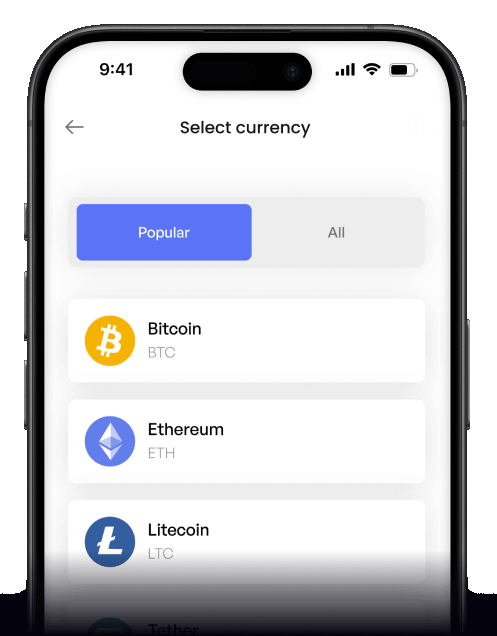
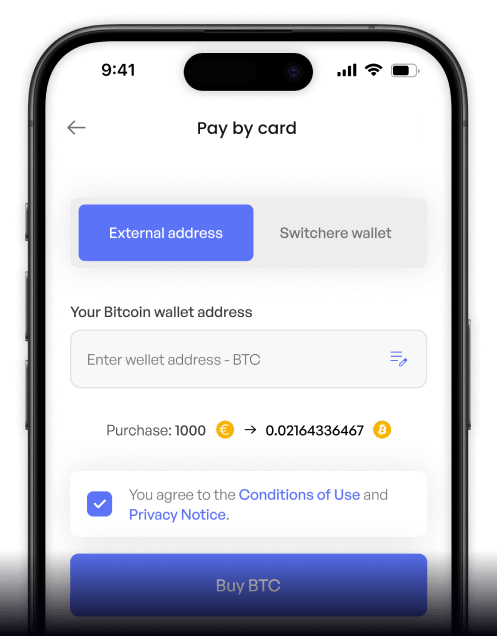
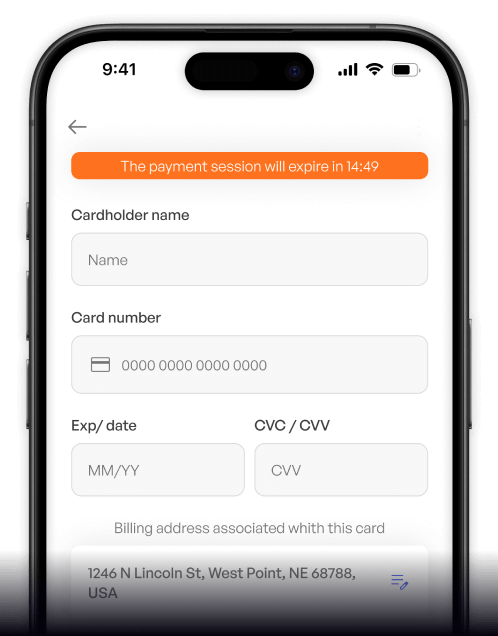
 Step-by-step guidance
 Easy credit card payments
 Streamlined purchase process
 Web
Popular Coins for Tunisian dinar (TND)


Other Coins for Tunisian dinar (TND)


Frequently asked questions
-
What are the common methods for converting Tunisian Dinar (TND) to Aave (AAVE)?
Direct TND to AAVE purchases on major cryptocurrency exchanges are uncommon due to banking regulations. The typical route involves a multi-step process: first, acquire a major cryptocurrency like Bitcoin (BTC) or a stablecoin like USDT via a peer-to-peer (P2P) platform that accepts Tunisian Dinar. Then, transfer that digital asset to an exchange with high liquidity for the AAVE token, where you can trade it for AAVE. This method allows you to access the Aave protocol's DeFi lending and borrowing features. -
What is the core function of the Aave (AAVE) token I'm acquiring with my funds?
The AAVE token is the native governance token for the Aave protocol, a leading decentralized finance (DeFi) liquidity protocol. Holding AAVE allows you to participate in governance votes on the future of the protocol. Additionally, it can be staked in the protocol's Safety Module to earn rewards and enhance the system's security, acting as a backstop in case of a shortfall event. It's a key component for anyone interacting with Aave's liquidity pools on EVM-compatible blockchains. -
Can I directly buy Aave (AAVE) using a Tunisian bank transfer or credit card?
Currently, direct fiat on-ramps that allow purchasing the AAVE digital asset with Tunisian Dinar (TND) via bank transfer or local credit cards are extremely limited or non-existent on mainstream platforms. This is primarily due to Tunisia's foreign exchange controls. Most users will need to utilize P2P markets as an intermediary step before accessing AAVE on a global cryptocurrency exchange. -
What security precautions should I take when converting TND to AAVE, especially through P2P platforms?
When using P2P platforms to begin your TND to AAVE conversion, prioritize security. Use platforms with a robust escrow service and check the reputation and trade history of the counterparty. Once you acquire an intermediary asset like USDT, immediately move it to your personal, secure digital wallet. For the final trade to AAVE, use a reputable exchange and enable two-factor authentication (2FA). Never share your private keys or seed phrase. -
Besides holding, what are the primary utilities for the Aave (AAVE) token?
The AAVE token has two main utilities within its DeFi ecosystem. First, it serves as a governance token, giving holders voting power on Aave Improvement Proposals (AIPs). Second, you can stake AAVE in the Safety Module to help secure the protocol and earn staking rewards. This staking mechanism is crucial for the protocol's risk management. Interacting with these features requires a compatible digital wallet and some ETH for gas fees on the Ethereum network.

Buy on the go
Anywhere. Anytime.
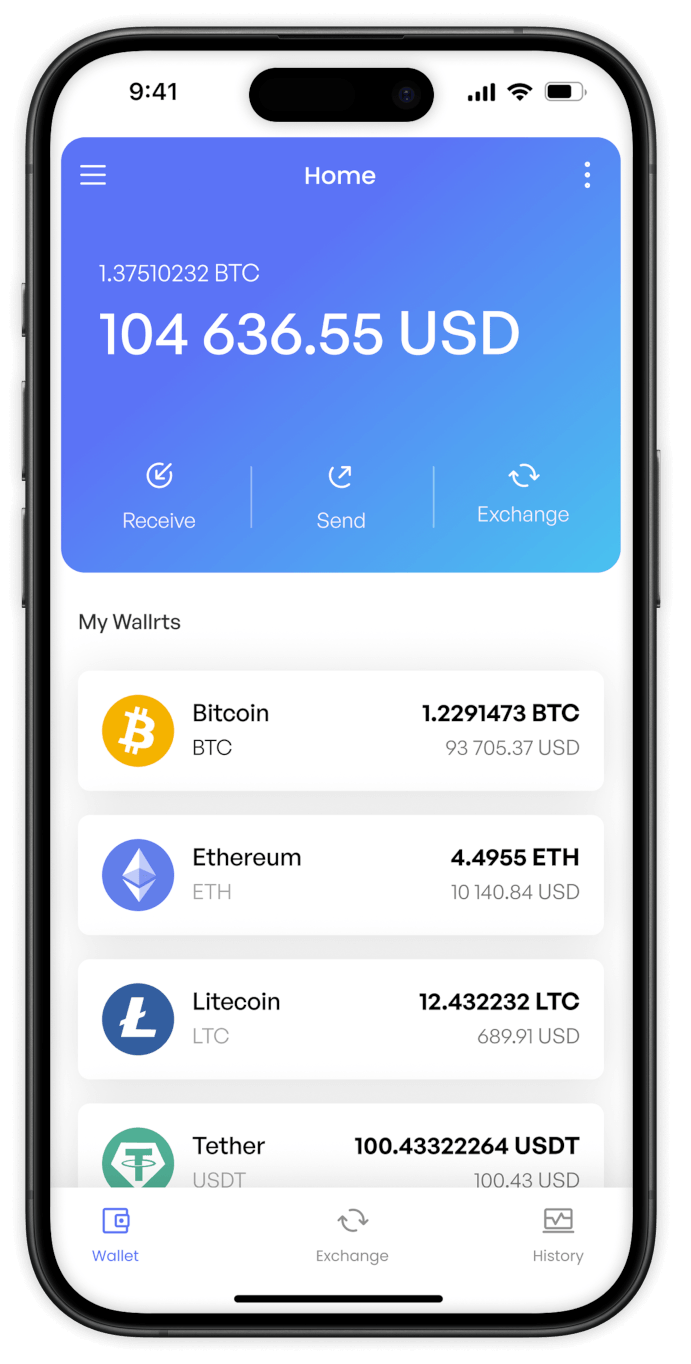
Buy crypto with your credit card from anywhere. Live rates, transparent fees, and 3D Secure on every order - the full Switchere card-buy experience in your pocket.



Scan to download the app iOS and Android