


Convert
Polish Zloty (PLN) to Liquity (LQTY) Instantly


Purchase Liquity (LQTY) with Polish Zloty (PLN) easily at Switchere and benefit from fast, secure transactions.
About
Liquity (LQTY)
Liquity is a decentralized borrowing protocol built on the Ethereum blockchain that offers a unique approach to DeFi lending. Its core function is to allow users to draw interest-free loans against their Ether (ETH) collateral. These loans are paid out in LUSD, a fully redeemable, USD-pegged stablecoin. A primary innovation of this digital asset protocol is its exceptional capital efficiency, requiring a minimum collateral ratio of only 110%. This design makes it one of the most accessible on-chain borrowing solutions available within the decentralized finance ecosystem, directly addressing the issue of over-collateralization common in other platforms.
The system’s architecture is rooted in true decentralization. Liquity’s smart contracts are immutable and the protocol operates without any form of governance, minimizing human intervention and creating a more predictable financial instrument. Its robust liquidation mechanism is managed algorithmically and supported by a Stability Pool, where LUSD holders can deposit their tokens to participate in liquidating under-collateralized positions, known as Troves. The native utility token, LQTY, is not a governance token. Instead, its primary function is for staking. By staking LQTY, holders earn a share of the protocol fees generated from LUSD issuance and redemptions, providing a direct revenue stream from the protocol's core operations.

How to Buy Liquity (LQTY)
 Step-by-step guidance
 Easy credit card payments
 Streamlined purchase process
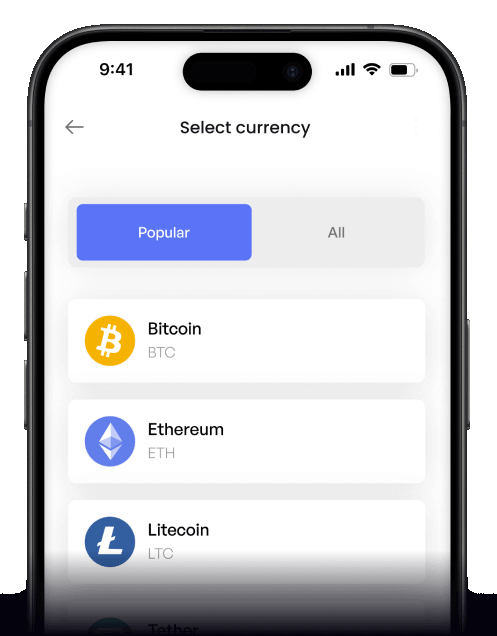
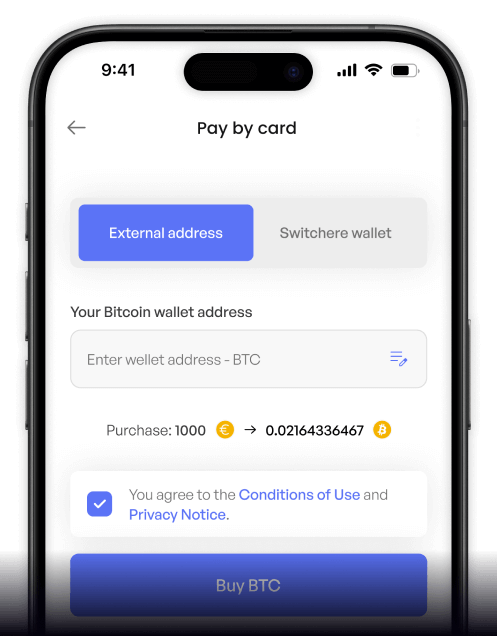
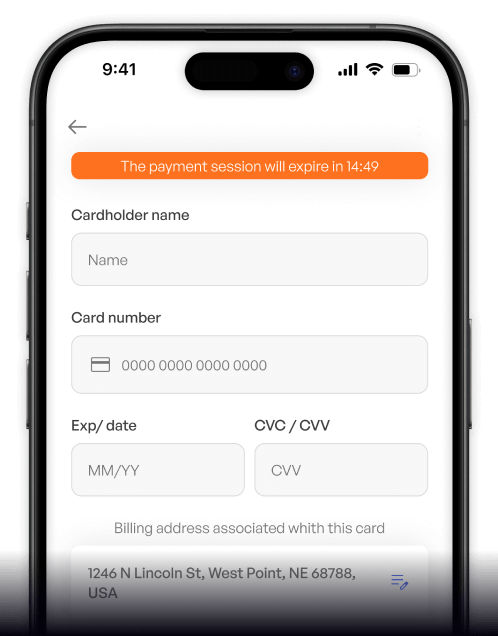
 Web
Web
Popular Coins for Polish Zloty (PLN)





Other Coins for Polish Zloty (PLN)










Frequently asked questions
-
What is the PLN/LQTY trading pair and its significance in decentralized finance?
The PLN/LQTY pair represents a direct fiat on-ramp, allowing users to purchase Liquity's governance token (LQTY) using Polish Złoty. Its significance lies in providing direct access from a local European currency to a key DeFi protocol known for its interest-free borrowing of the LUSD stablecoin against ETH collateral. This enables users to participate in the protocol's Stability Pool and earn rewards without first converting PLN to another major currency like USD or EUR. -
What are common methods to buy LQTY with Polish Złoty (PLN)?
To buy LQTY with PLN, you typically need to use a centralized cryptocurrency exchange that lists the PLN/LQTY pair. The process involves creating an account, completing KYC/AML verification, and then funding your account with PLN. Common funding methods in Poland include local bank transfers, BLIK payments, or sometimes debit/credit card purchases. Once funded, you can place an order for LQTY on the exchange's order book. -
Once I acquire LQTY with PLN, what is its primary utility within the Liquity protocol?
The primary utility of the LQTY token is staking. By staking LQTY, holders can earn a share of the protocol's revenue, which is generated from borrowing fees (when users create LUSD) and redemption fees (when LUSD is redeemed for ETH). This mechanism allows LQTY holders to benefit from the overall activity and capital efficiency of this decentralized borrowing protocol without being exposed to the direct risks of managing a collateralized debt position. -
How does Liquity's 110% minimum collateral ratio differ from other DeFi protocols?
Liquity's 110% minimum collateral ratio (MCR) is significantly more capital-efficient than many other DeFi lending protocols, which often require 150% MCR or higher. This lower MCR is made possible by Liquity's instant liquidation mechanism and the role of the Stability Pool, which absorbs liquidated debt. This allows users to borrow more LUSD against their ETH collateral, maximizing capital efficiency, but it also means there is a smaller buffer against price volatility, requiring active management of one's collateralized debt position. -
What security measures should be taken when moving LQTY purchased with PLN to a digital wallet?
After purchasing LQTY via a PLN fiat on-ramp, it is crucial to transfer the assets to a non-custodial digital wallet where you control the private keys. Best practices include: double-checking the wallet address for accuracy before sending, using a hardware wallet for maximum security, and securely storing your seed phrase offline. Since LQTY is an ERC-20 token, ensure your wallet is Ethereum-compatible. Be wary of phishing scams and only interact with the official Liquity protocol frontend or trusted alternatives.

Buy on the go
Anywhere. Anytime.
Buy crypto with your credit card from anywhere. Live rates, transparent fees, and 3D Secure on every order - the full Switchere card-buy experience in your pocket.



Scan to download the app iOS and Android

