


- Hjem
- Konverterer
- Polish Zloty (PLN) til MultiversX (EGLD)

Konverter
Polish Zloty (PLN) til MultiversX (EGLD) umiddelbart


Kjøp MultiversX (EGLD) med Polish Zloty (PLN) enkelt hos Switchere og dra nytte av raske, sikre transaksjoner.
Om
MultiversX (EGLD)
MultiversX (EGLD), tidligere kjent som Elrond, er en høyytelses Layer 1-blokkjedeplattform utviklet for å tilby gjennomstrømming i internettskala, sikkerhet og utviklervennlige verktøy for Web3-applikasjoner. Hovedoppdraget er å løse skalerbarhetstrilemmaet, og gi den grunnleggende infrastrukturen for DeFi, NFT-er og metaverset uten å gå på bekostning av desentralisering. Nettverkets imponerende ytelse drives av to viktige innovasjoner: Adaptive State Sharding og en Secure Proof of Stake (SPoS) konsensusmekanisme. Adaptive State Sharding er en omfattende skaleringsløsning som parallelliserer transaksjons- og nettverksbehandling på tvers av dynamiske shards, noe som gjør at blokkjeden kan skalere lineært med etterspørselen. Dette sikrer lave transaksjonskostnader og høy gjennomstrømming for en sømløs brukeropplevelse.
SPoS-konsensusalgoritmen utfyller denne skaleringsteknologien ved å gi forbedret sikkerhet og effektivitet, og introduserer et tilfeldig utvalg av validatorer innenfor shards for å redusere ventetid og energiforbruk. Den opprinnelige digitale eiendelen, EGLD, er hjørnesteinen i dette økosystemet. Den fungerer som et brukstoken for å betale transaksjonsgebyrer, distribuere smarte kontrakter og staking. Innehavere kan stake sin EGLD for å delta i nettverksvalidering, noe som bidrar til kryptografisk sikkerhet samtidig som de tjener belønninger. EGLD fungerer også som et styringstoken, som lar deltakere stemme på protokolloppgraderinger, noe som gjør det avgjørende for alle on-chain-operasjoner og interaksjoner innenfor den voksende pakken av DeFi-applikasjoner.

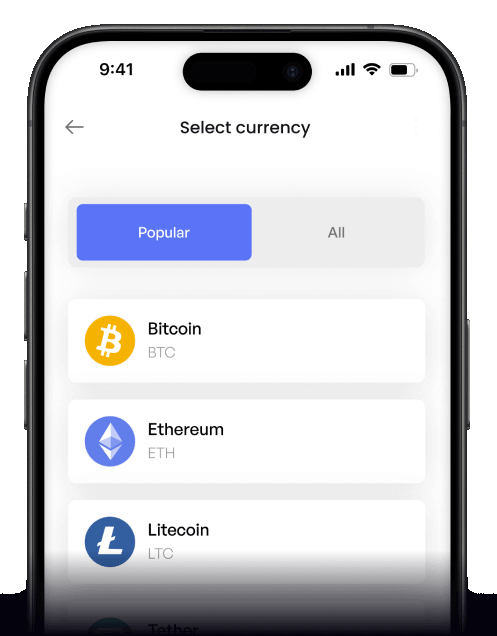
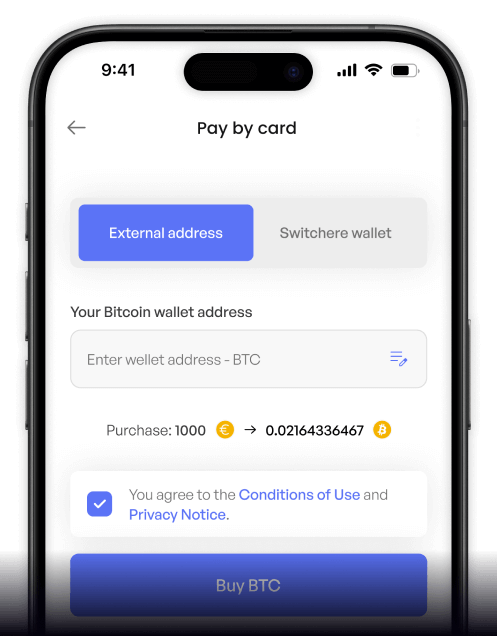
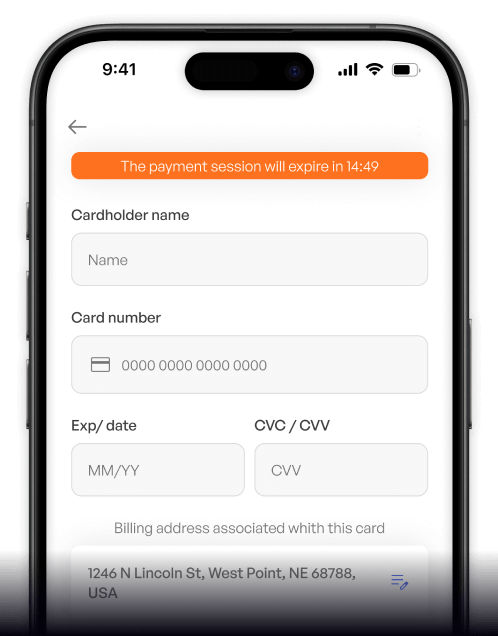
Hvordan kjøpe MultiversX (EGLD)
 Trinn-for-trinn veiledning
 Enkle kredittkortbetalinger
 Strømlinjeformet kjøpsprosess
 Web
Web
Populære mynter for Polish Zloty (PLN)




Andre mynter for Polish Zloty (PLN)









Ofte stilte spørsmål
-
Hva er den mest direkte måten å kjøpe MultiversX (EGLD) med polske zloty (PLN)?
Den mest direkte metoden er å bruke en sentralisert kryptovalutabørs som tilbyr et PLN/EGLD-handelspar. Dette fungerer som en fiat-on-ramp, slik at du kan sette inn polske zloty via lokale betalingsmetoder som bankoverføringer eller BLIK. Du må fullføre KYC/AML-verifisering før du kan foreta et kjøp av digitale eiendeler. -
Hva er de tekniske fordelene med MultiversX som jeg får tilgang til ved å konvertere PLN til EGLD?
Å konvertere PLN til EGLD gir deg direkte tilgang til MultiversX-nettverket, en svært skalerbar blokkjede kjent for sin Adaptive State Sharding-teknologi. Denne arkitekturen muliggjør massiv gjennomstrømming og lave transaksjonsgebyrer. EGLD er den opprinnelige eiendelen som brukes til å sikre nettverket gjennom dens Secure Proof of Stake (SPoS) konsensusmekanisme, betale for utførelse av smarte kontrakter og samhandle med ESDT-tokener. -
Hva slags digital lommebok anbefales for lagring av EGLD etter kjøp med PLN?
Etter å ha anskaffet EGLD, er det beste praksis for sikker lagring å flytte det fra børsens depotlommebok til en ikke-depotbasert lommebok der du kontrollerer de private nøklene. Den offisielle MultiversX-lommeboken, xPortal (tidligere Maiar), anbefales på det sterkeste. For langsiktig oppbevaring eller store beløp, vurder en maskinvarelommebok for maksimal sikkerhet mot trusler på nettet. -
Hvilke typer gebyrer bør jeg forvente når jeg handler PLN til EGLD-paret?
Det er vanligvis tre typer gebyrer: 1) Innskuddsgebyrer for å finansiere kontoen din med PLN, som kan variere etter metode (bankoverføring vs. kort). 2) Handelsgebyrer på børsen, som vanligvis er en liten prosentandel av transaksjonsverdien (maker/taker-gebyrer). 3) Uttaksgebyrer, som inkluderer et gebyr fra børsen og det svært lave MultiversX-nettverkstransaksjonsgebyret (gas) for å flytte EGLD til en personlig lommebok. -
Hvorfor er et direkte PLN/EGLD-par gunstig for polske investorer?
Et direkte PLN/EGLD-par gir en sømløs fiat-inngangsport til MultiversX-økosystemet. Det eliminerer behovet for doble konverteringer (f.eks. PLN til EUR/USD, deretter til EGLD), noe som sparer konverteringsgebyrer og forenkler prosessen. Denne direkte on-rampen forbedrer kapitaleffektiviteten og gir tydeligere prising i lokal valuta for staking, deltakelse i styring eller bruk av dApps på nettverket.

Kjøp på farten
Hvor som helst. Når som helst.
Kjøp krypto med kredittkortet ditt fra hvor som helst. Live-kurser, transparente gebyrer og 3D Secure på hver bestilling - hele Switchere-kortkjøpsopplevelsen i lommen.



Skann for å laste ned appen for iOS og Android

