


Конвертуйте
Polish Zloty (PLN) на SushiSwap (SUSHI) миттєво


Купуйте SushiSwap (SUSHI) за допомогою Polish Zloty (PLN) легко на Switchere і отримуйте вигоду від швидких і безпечних транзакцій.
Близько
SushiSwap (SUSHI)
SushiSwap (SUSHI) - відома децентралізована біржа (DEX) та автоматизований маркет-мейкер (AMM), що працює в численних блокчейн-мережах. Спочатку задуманий як форк, керований спільнотою, SushiSwap має на меті надати повний набір DeFi-додатків, використовуючи смарт-контракти для полегшення пірингової торгівлі цифровими активами без посередників. Її основна технологія дозволяє користувачам створювати пули ліквідності або робити внески в них, отримуючи винагороду за надання капіталу, що, в свою чергу, підтримує ефективні обміни токенів і визначення цін. Ця децентралізована мережева архітектура забезпечує криптографічну безпеку і прозорість операцій в ланцюжку для всіх учасників.
Власний токен SUSHI займає центральне місце в токеноміці платформи, функціонуючи як утилітарний токен і токен управління. Власники можуть вкладати SUSHI (часто як xSUSHI), щоб отримувати частину торгових зборів, що генеруються протоколом, вирівнюючи стимули користувачів з успіхом платформи. Крім того, власники SUSHI беруть участь в управлінні, голосуючи за пропозиції, які спрямовують розвиток платформи та управління казначейством. SushiSwap вийшла за рамки базових свопів, включивши в себе такі продукти, як Kashi для кредитування і запозичення, а також MISO, стартовий майданчик IDO, що розширює пропозиції інфраструктури Web3. Присутність у багатьох ланцюжках зміцнює роль SushiSwap як ключового гравця, що надає різноманітні фінансові інструменти в екосистемі децентралізованих фінансів.

Як купити SushiSwap (SUSHI)?
 Покрокове керівництво
 Легкі платежі кредитною карткою
 Спрощений процес купівлі
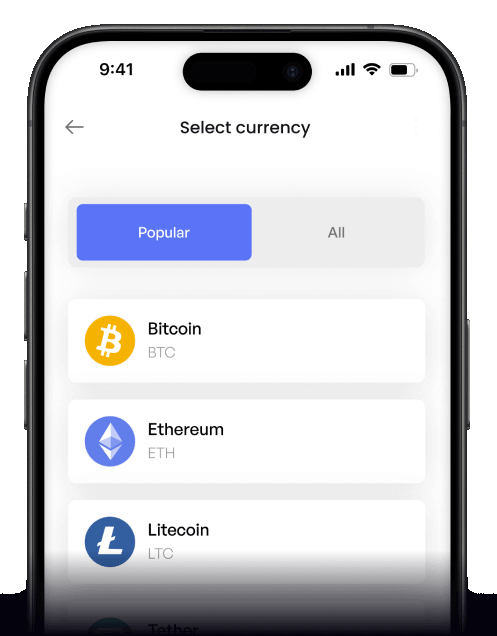
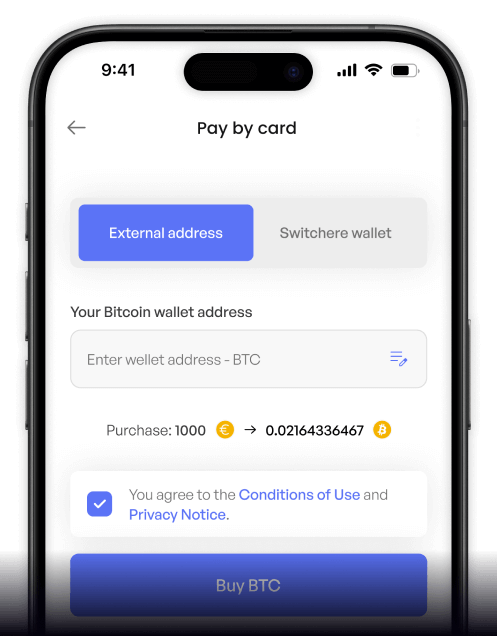
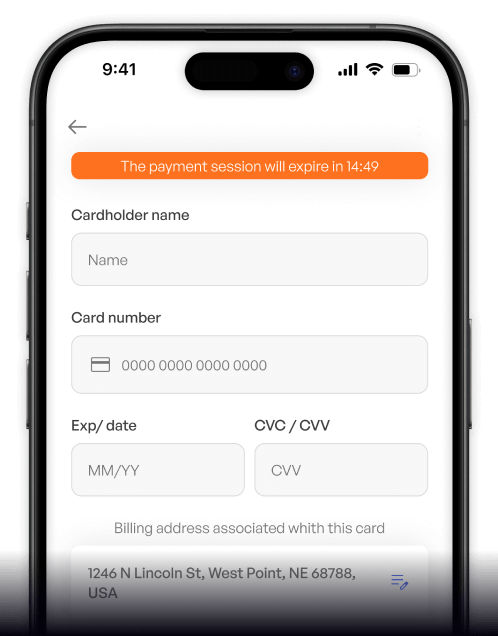
 Web
Web
Популярні монети за Polish Zloty (PLN)





Інші монети за Polish Zloty (PLN)





Поширені запитання
-
Який основний спосіб придбання SushiSwap (SUSHI) за польські злоті (PLN)?
Найпоширеніший метод — це використання централізованої криптовалютної біржі, яка слугує фіатним шлюзом для PLN. Користувачі зазвичай проходять верифікацію KYC/AML, вносять польські злоті за допомогою місцевих платіжних методів, таких як BLIK або банківський переказ (Elixir), а потім торгують PLN на основну криптовалюту або стейблкоїн, який потім можна обміняти на токени SUSHI в книзі ордерів біржі. -
Яку роль відіграє токен SUSHI в автоматизованому маркет-мейкері (AMM) SushiSwap?
Токен SUSHI є нативним токеном управління протоколу SushiSwap. Володіння SUSHI дозволяє користувачам голосувати за пропозиції, що впливають на майбутнє платформи. Крім того, його можна стейкати в SushiBar для отримання xSUSHI, що дає власнику право на частину торгових комісій, згенерованих пулами ліквідності децентралізованої біржі, створюючи стимул для отримання доходу. -
Чи поширені прямі торгові пари PLN/SUSHI, чи варто очікувати кількох етапів?
Прямі торгові пари PLN/SUSHI є рідкістю. Через обмежену ліквідність більшість бірж цифрових активів вимагають двохетапного процесу. Вам, швидше за все, доведеться спочатку придбати високоліквідний актив, такий як Bitcoin (BTC), Ethereum (ETH) або стейблкоїн (наприклад, USDT, USDC) за ваші PLN, а потім обміняти цей актив на SUSHI у парі BTC/SUSHI або USDT/SUSHI. -
Після покупки SUSHI за PLN, як мені перевести його на гаманець із самостійним зберіганням для участі в дохідному фермерстві?
Після придбання на біржі ви ініціюєте виведення своїх токенів SUSHI. Вам знадобиться публічна адреса вашого гаманця із самостійним зберіганням (наприклад, MetaMask або апаратний гаманець). У розділі виведення коштів на біржі виберіть SUSHI, введіть адресу свого гаманця та вкажіть мережу (наприклад, Ethereum Mainnet). Після підтвердження та сплати комісії за транзакцію в блокчейні, токени будуть переведені. Потім ви можете підключити цей гаманець до dApp SushiSwap, щоб надавати ліквідність у пули або стейкати в SushiBar. -
Які ризики безпеки слід враховувати при конвертації PLN в SUSHI та взаємодії з DEX?
Основні ризики включають використання ненадійної біржі для вашого початкового входу з фіату, що може поставити під загрозу ваші кошти або дані. При взаємодії з DEX, як-от SushiSwap, основними ризиками є вразливості смарт-контрактів та фішингові атаки. Завжди використовуйте офіційні посилання, перевіряйте адреси контрактів і розглядайте можливість використання апаратного гаманця для підписання транзакцій, щоб захистити ваші приватні ключі. Довгострокове зберігання токена управління SUSHI на централізованій біржі також вважається ризиком зберігання.

Купуйте, де завгодно
Будь-де. Будь-коли.
Купуйте криптовалюту за допомогою кредитної картки з будь-якого місця. Актуальні курси, прозорі комісії та технологія 3D Secure для кожного замовлення — всі переваги сервісу Switchere для купівлі криптовалюти за допомогою картки у вашому мобільному.



Відскануйте, щоб завантажити додаток для iOS та Android

