


Convert
South African Rand (ZAR) to Flux (FLUX) Instantly


Purchase Flux (FLUX) with South African Rand (ZAR) easily at Switchere and benefit from fast, secure transactions.
About
Flux (FLUX)
Flux (FLUX) is a premier decentralized Web3 infrastructure project designed to provide highly scalable, decentralized cloud computing power. Operating as an AWS alternative for the blockchain space, the Flux ecosystem aims to decentralize the internet by allowing developers to build, host, and deploy decentralized applications (dApps) simultaneously across multiple servers. At the core of this decentralized network is FluxOS, a revolutionary second-layer operating system that manages computational resources and ensures seamless cross-chain interoperability.
Unlike many modern networks shifting to staking, Flux utilizes a robust Proof-of-Work (PoW) consensus mechanism optimized for ASIC resistance, empowering GPU miners to secure the digital ledger. The network is further strengthened by decentralized FluxNodes, enterprise-grade server nodes that provide guaranteed computational power in exchange for staking rewards. The native digital asset, FLUX, functions as the ultimate utility token powering this Web3 ecosystem. It is utilized for purchasing network resources, paying node hosting fees, participating in on-chain governance, and mining rewards.
A unique selling proposition of Flux is its parallel assets technology, enabling the FLUX token to interact across major smart contract platforms like Ethereum and BNB Chain, enhancing DeFi applications and liquidity. Paired with the multi-asset Zelcore wallet, Flux firmly establishes itself as a foundational building block for a truly decentralized internet, bridging the gap between traditional enterprise servers and innovative blockchain technology.

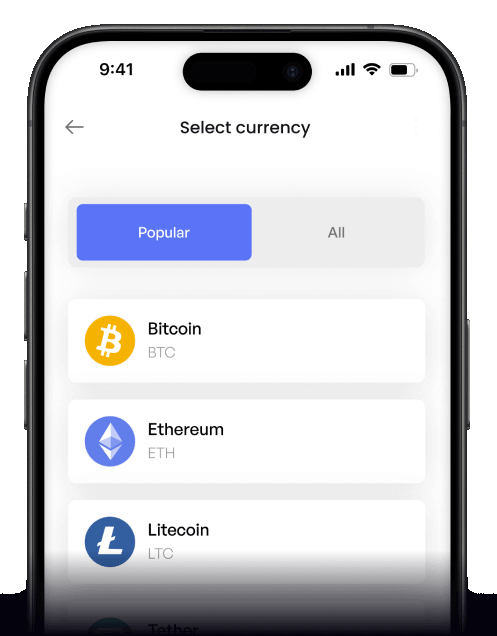
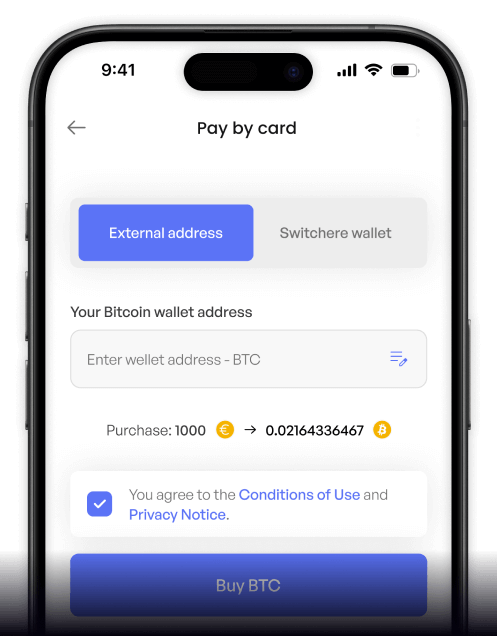
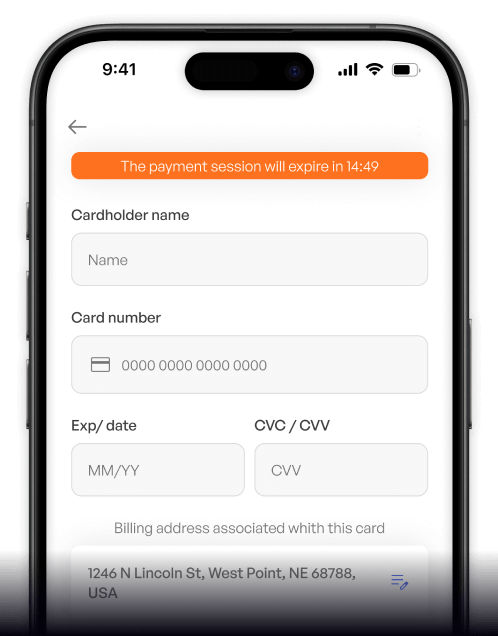
How to Buy Flux (FLUX)
 Step-by-step guidance
 Easy credit card payments
 Streamlined purchase process
 Web
Web
Popular Coins for South African Rand (ZAR)





Other Coins for South African Rand (ZAR)




Frequently asked questions
-
What is the most efficient method to purchase Flux (FLUX) using South African Rand (ZAR)?
The optimal fiat on-ramp for acquiring FLUX with ZAR involves utilizing a cryptocurrency exchange that supports direct ZAR deposits via local bank transfer (EFT). Once your ZAR is credited, you can trade it on the ZAR/FLUX order book. Utilizing an exchange with deep liquidity ensures minimal slippage when converting your South African Rand into this Web3 decentralized cloud infrastructure asset. -
Do I need to complete KYC/AML compliance to trade the ZAR/FLUX pair?
Yes, completing KYC/AML compliance is a mandatory step on regulated centralized exchanges offering ZAR fiat gateways. This process secures the trading environment and complies with South African financial regulations. Once verified, you can safely execute your ZAR to FLUX transactions and participate in the decentralized Web3 ecosystem. -
How does the Flux (FLUX) proof-of-work consensus mechanism affect transaction times after buying with ZAR?
While your initial purchase of FLUX using ZAR occurs instantly on the exchange's internal ledger, transferring your FLUX to a self-custodial digital wallet like Zelcore involves the Flux blockchain. Flux utilizes an ASIC-resistant Proof-of-Work (PoW) consensus mechanism. On-chain transaction confirmations typically take a few minutes, securing your digital asset on its native decentralized network. -
Are there specific wallets recommended for storing FLUX after converting my South African Rand?
After executing a ZAR/FLUX trade, it is highly recommended to withdraw your tokens from the cryptocurrency exchange to a secure, non-custodial digital wallet. Zelcore is the official multi-asset wallet for the Flux ecosystem, fully supporting native FLUX, Flux parallel assets, and interacting seamlessly with FluxNodes and decentralized applications (dApps) hosted on the RunOnFlux network. -
Can I stake the FLUX I bought with ZAR to earn rewards?
Flux does not use traditional staking like Proof-of-Stake networks. Instead, the FLUX acquired via your ZAR fiat on-ramp can be used to operate FluxNodes. Running a node provides the computational resources for the decentralized cloud infrastructure and requires locking a specific tier of FLUX collateral. In return, node operators earn a portion of the block rewards.

Buy on the go
Anywhere. Anytime.
Buy crypto with your credit card from anywhere. Live rates, transparent fees, and 3D Secure on every order - the full Switchere card-buy experience in your pocket.



Scan to download the app iOS and Android

