Convert
Swedish Krona (SEK) to THORChain (RUNE) Instantly
Purchase THORChain (RUNE) with Swedish Krona (SEK) easily at Switchere and benefit from fast, secure transactions.
About
THORChain (RUNE)
THORChain (RUNE) is a decentralized liquidity protocol built to facilitate cross-chain swaps of native digital assets in a permissionless, non-custodial manner. Operating as an independent Layer-1 blockchain using the Cosmos SDK and Tendermint consensus mechanism, it enables users to exchange cryptocurrencies like native Bitcoin for native Ethereum without relying on wrapped tokens or centralized intermediaries. This is a crucial piece of Web3 infrastructure designed to solve the problem of fragmented liquidity across disparate blockchain ecosystems. The network's architecture is centered around Continuous Liquidity Pools (CLPs), where liquidity providers deposit assets alongside the native utility token, RUNE.
The RUNE token is integral to the protocol's tokenomics and security. It serves four key functions: acting as the base pairing asset in all liquidity pools, providing the economic bond for node operators to ensure network security (a form of Sybil resistance), functioning as the settlement currency for all swaps, and being used for on-chain governance. This design creates a deterministic value for RUNE based on the total liquidity locked in the network. By connecting chains through its Bifrost Protocol, THORChain stands as a fundamental pillar for seamless interoperability and native asset settlement within the broader DeFi applications landscape.
How to Buy THORChain (RUNE)
Popular Coins for Swedish Krona (SEK)
Other Coins for Swedish Krona (SEK)
Frequently asked questions
-
What is the SEK/RUNE trading pair and what is its primary function?
The SEK/RUNE pair represents the exchange rate between the Swedish Krona (SEK) and THORChain's native token, RUNE. Its primary function is to serve as a fiat on-ramp for Swedish users into the THORChain ecosystem. This allows for a direct digital asset purchase, enabling access to THORChain's cross-chain liquidity protocol, which facilitates native asset swaps between different blockchains like Bitcoin and Ethereum without using wrapped assets. -
What are the common methods to buy RUNE with Swedish Krona (SEK)?
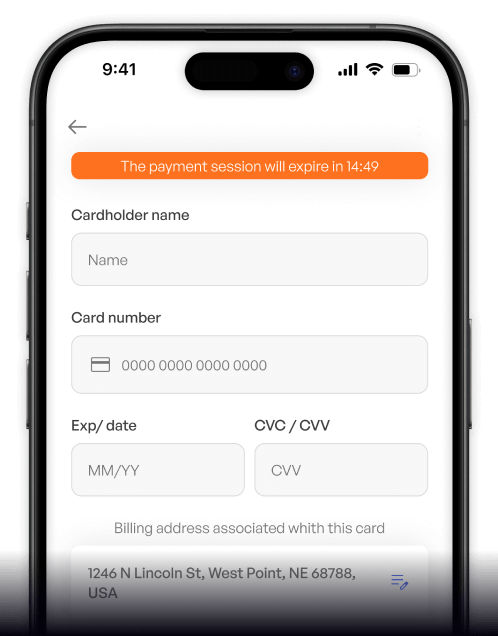
To buy RUNE with SEK, the most common method is using a centralized cryptocurrency exchange that offers a fiat gateway for Swedish Krona. Users typically need to complete KYC/AML compliance, often using BankID for verification. You can then deposit SEK via a SEPA transfer or sometimes with a credit/debit card. Once your SEK is on the exchange, you can place an order for RUNE on the SEK/RUNE order book or convert it through another pair like SEK/EUR then EUR/RUNE. -
What is the core utility of the RUNE token within the THORChain protocol?
The RUNE token has four key roles. 1) It serves as the base pairing in all Continuous Liquidity Pools (CLPs), enabling swaps between any two assets. 2) It provides economic security, as THORNode operators must bond RUNE worth more than the assets in the pools they secure. 3) It's used for network fees and gas for blockchain transactions within the ecosystem. 4) It facilitates governance, allowing RUNE holders to vote on protocol changes. This multifaceted utility makes RUNE integral to the network's decentralized liquidity and security. -
How does THORChain's cross-chain swap technology differ from other decentralized exchanges?
Unlike many DEXs that operate on a single blockchain and rely on wrapped assets (e.g., WBTC on Ethereum) for cross-chain functionality, THORChain facilitates swaps of native assets. It achieves this through its network of THORNodes and Continuous Liquidity Pools (CLPs). When you swap native BTC for native ETH, THORChain orchestrates two separate transactions on their respective blockchains, using RUNE as the intermediary settlement asset. This maintains asset sovereignty and avoids the custodian risks associated with wrapped tokens. -
After buying RUNE with SEK, what are the risks of providing liquidity to a THORChain pool?
The primary risk when providing liquidity in THORChain's Continuous Liquidity Pools (CLPs) is impermanent loss. This occurs when the price ratio of the two assets in the pool changes after you deposit them. THORChain has a unique feature called Impermanent Loss Protection, which can mitigate this risk over time, fully protecting providers after 100 days. Other risks include smart contract vulnerabilities and potential network halts, although the protocol's economic security model with bonded RUNE is designed to minimize malicious activity.