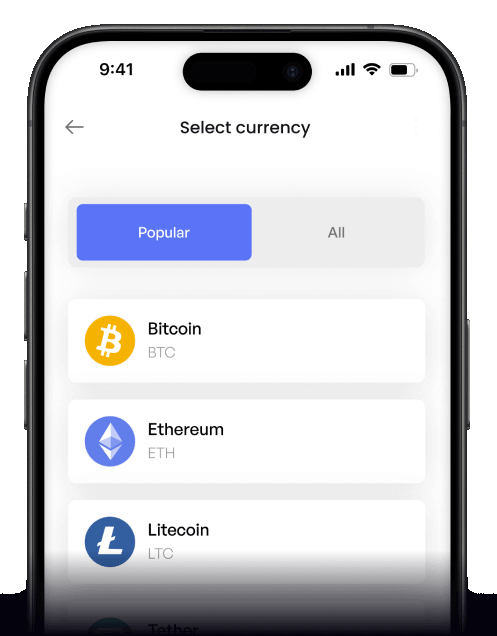
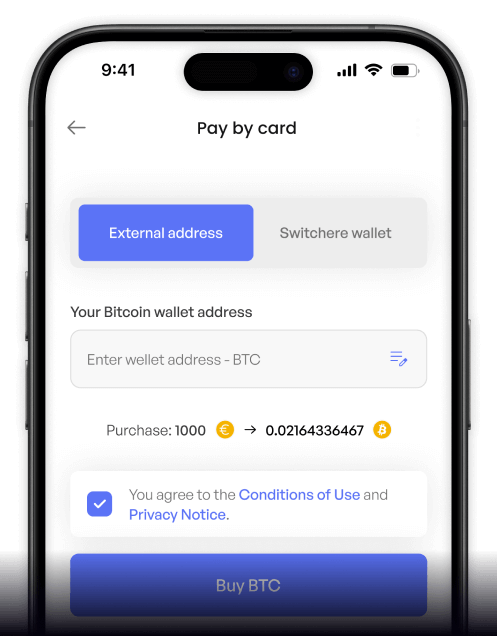
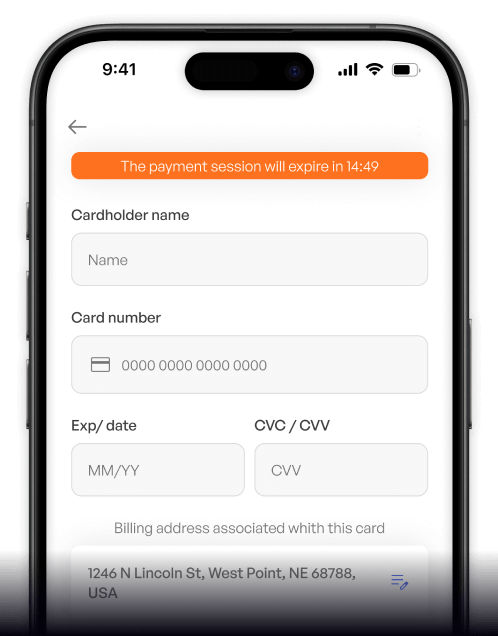
Purchase ETHPoW (ETHW) with Swedish Krona (SEK) easily at Switchere and benefit from fast, secure transactions.
ETHW (ETHW) represents a hard fork of the Ethereum blockchain, initiated following Ethereum's transition from a Proof-of-Work (PoW) to a Proof-of-Stake (PoS) consensus mechanism, an event widely known as "The Merge." The primary purpose of ETHW is to maintain the original Ethereum PoW chain, thereby offering a continuation for the existing community of miners and users who prefer the PoW model or have significant investments in PoW mining infrastructure. This decentralized network preserves the Ethash mining algorithm, relying on miners to validate transactions and secure the blockchain technology through computational work, a foundational aspect of the pre-Merge Ethereum digital ledger.
The native ETHW token is crucial for the ecosystem's functionality. It serves as the primary digital asset for paying transaction fees, commonly referred to as gas, which are necessary for executing smart contracts and interacting with decentralized applications (dApps) operating on the ETHW chain. Furthermore, ETHW tokens are distributed as mining rewards, incentivizing miners to contribute their hash power to maintain network integrity and on-chain security. ETHW aims to support a segment of the Ethereum dApp landscape and its associated tokenomics, providing an alternative platform for developers and users committed to the Proof-of-Work consensus, positioning itself as a distinct branch within the broader Web3 infrastructure.
The SEK/ETHW trading pair represents the exchange rate between the Swedish Krona (SEK) and ETHPoW (ETHW). ETHW is the native digital asset of EthereumPoW, a hard fork of the Ethereum blockchain that preserves the original Proof-of-Work (PoW) consensus mechanism abandoned during 'The Merge'. This pair allows you to directly purchase the miner-supported ETHW token using SEK through a fiat on-ramp.
The fundamental difference is the consensus mechanism. The main Ethereum network transitioned to a Proof-of-Stake (PoS) model with 'The Merge', where network security is maintained by validators staking ETH. The ETHW blockchain is a fork that deliberately continues with the original Proof-of-Work (PoW) model, where security and block creation are handled by GPU miners solving complex computational problems. This makes ETHW appealing to the mining community.
Like all cryptocurrency trading, the SEK/ETHW pair carries market volatility risk. Specific to ETHW, there's the risk associated with a forked asset and its ecosystem development. Its long-term adoption and security compared to the main Ethereum PoS chain are key variables. Furthermore, liquidity for ETHW pairs can be lower than for mainstream assets, potentially leading to higher slippage on large orders. Always conduct thorough research on the ETHW ecosystem's progress.
To purchase ETHW with SEK, you'll typically use a cryptocurrency exchange that lists the token and supports SEK deposits. The process often involves a direct SEK bank transfer, using services like Swish, or debit/credit card payments. On some platforms, you may need to first buy a major cryptocurrency like Bitcoin (BTC) or Ethereum (ETH) with your SEK and then trade it for ETHW on a BTC/ETHW or ETH/ETHW pair.
Yes, it's crucial to use a digital wallet that explicitly supports the ETHW network. While ETHW is EVM-compatible, meaning wallets like MetaMask can be configured for it, you must add the ETHW network RPC details manually. Sending ETHW to a standard Ethereum (PoS) address on an unsupported wallet could result in a loss of funds. Always verify wallet and network compatibility before transferring your ETHW off an exchange.
Transaction fees on the ETHW network, often called gas fees, operate similarly to the original Ethereum PoW model. Fees are determined by network congestion and the computational complexity of the transaction (e.g., a simple token transfer vs. a complex smart contract interaction). Users specify a gas price in Gwei they are willing to pay, and miners prioritize transactions with higher fees. This is a key difference from Ethereum's PoS EIP-1559 model, which includes a base fee burning mechanism.