Convert
SEK to ENS Instantly
Swedish Krona to Ethereum Name Service (ERC20) at the real-time exchange rate


Purchase ENS (ERC20) with Swedish Krona (SEK) easily at Switchere and benefit from fast, secure transactions.
About
ENS (ERC20)
The SEK to ENS converter provides Swedish users with a streamlined fiat on-ramp to acquire Ethereum Name Service tokens using the Swedish Krona. The ENS to SEK rate reflects real-time market liquidity and the exchange rate dynamics between Sweden's national currency and the wider crypto ecosystem. ENS is an ERC-20 token that governs the protocol responsible for mapping human-readable names to blockchain addresses. When you buy ENS with SEK, the conversion cost is influenced by global cryptocurrency volatility as well as Ethereum network gas fees required to process the on-chain transfer.
For residents in Sweden, funding this exchange typically involves regional payment systems like Swish, Trustly, or standard SEPA bank transfers, alongside traditional debit and credit cards. Utilizing these local methods ensures efficient fiat processing, though users must complete standard KYC/AML verification procedures before initiating a transaction. Once the SEK is converted, receiving your assets requires a compatible Ethereum wallet address. Transaction confirmation times depend on current network congestion. This trading pair is particularly useful for Web3 enthusiasts and developers in Scandinavia looking to participate in decentralized governance or secure their digital identities directly from their local currency.

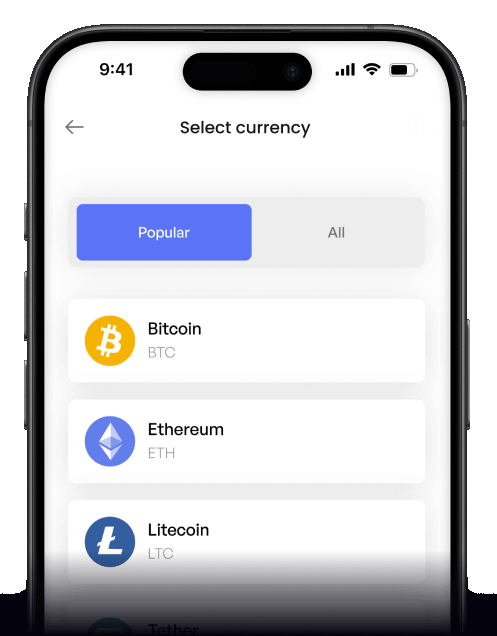
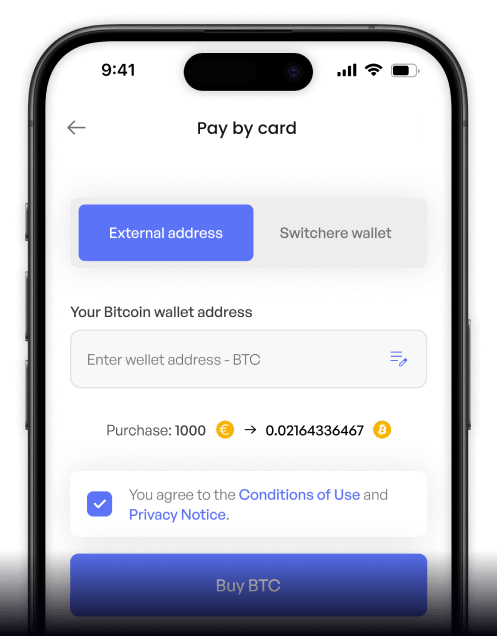
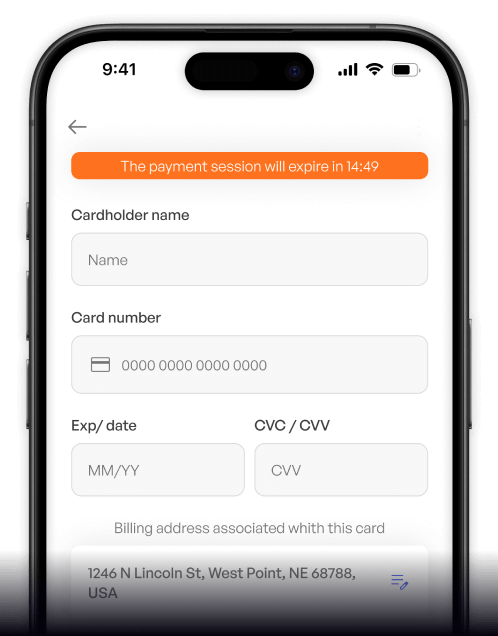
How to Buy ENS (ERC20)
 Step-by-step guidance
 Easy credit card payments
 Streamlined purchase process
 Web
Popular Coins for Swedish Krona (SEK)


Other Coins for Swedish Krona (SEK)


Frequently asked questions
-
What does the SEK/ENS trading pair represent in the digital asset market?
The SEK/ENS pair represents a direct fiat on-ramp allowing users to purchase Ethereum Name Service (ENS) governance tokens using Swedish Krona. This is significant for users in the Nordic region as it provides direct access to participate in the ENS DAO (Decentralized Autonomous Organization), which governs the crucial decentralized naming system for Web3 usernames and .eth domains on the Ethereum blockchain. -
What are the most common payment methods for buying ENS with Swedish Krona (SEK)?
To buy the ENS digital asset with SEK, most users on regulated cryptocurrency exchanges utilize SEPA transfers for lower fees or credit/debit cards for instant purchases. Some platforms catering to the Swedish market may also integrate local payment systems like Swish or use BankID for streamlined KYC/AML compliance, simplifying the process of converting fiat currency into this key Ethereum ecosystem token. -
Is the ENS token the same as owning a .eth domain?
No, they are distinct assets within the Ethereum ecosystem. An .eth domain is a unique NFT (ERC-721 token) that acts as a Web3 username or wallet address. The ENS token you buy with SEK is an ERC-20 governance token. Holding the ENS token grants you voting power in the ENS DAO, allowing you to influence the protocol's future, such as its fee structure and the articles of the ENS Constitution. -
What security measures should I take when trading SEK for ENS tokens?
When executing a SEK to ENS transaction, prioritize security. Use reputable cryptocurrency exchanges with strong KYC/AML compliance and two-factor authentication (2FA). After purchase, it's best practice to move your ENS governance tokens from the exchange's wallet to a personal digital wallet where you control the private keys. This minimizes risk and allows you to participate directly in DAO voting. -
How do Ethereum gas fees impact my ENS token after purchasing it with SEK?
While your initial purchase with SEK on a centralized exchange might not involve a direct gas fee, any subsequent blockchain transaction with your ENS tokens will. Moving your ENS (an ERC-20 token) to a private wallet, staking it, or using it to vote in the DAO requires paying gas fees in ETH. These fees compensate Ethereum miners or validators for processing the transaction on the network and can fluctuate based on network congestion.

Buy on the go
Anywhere. Anytime.
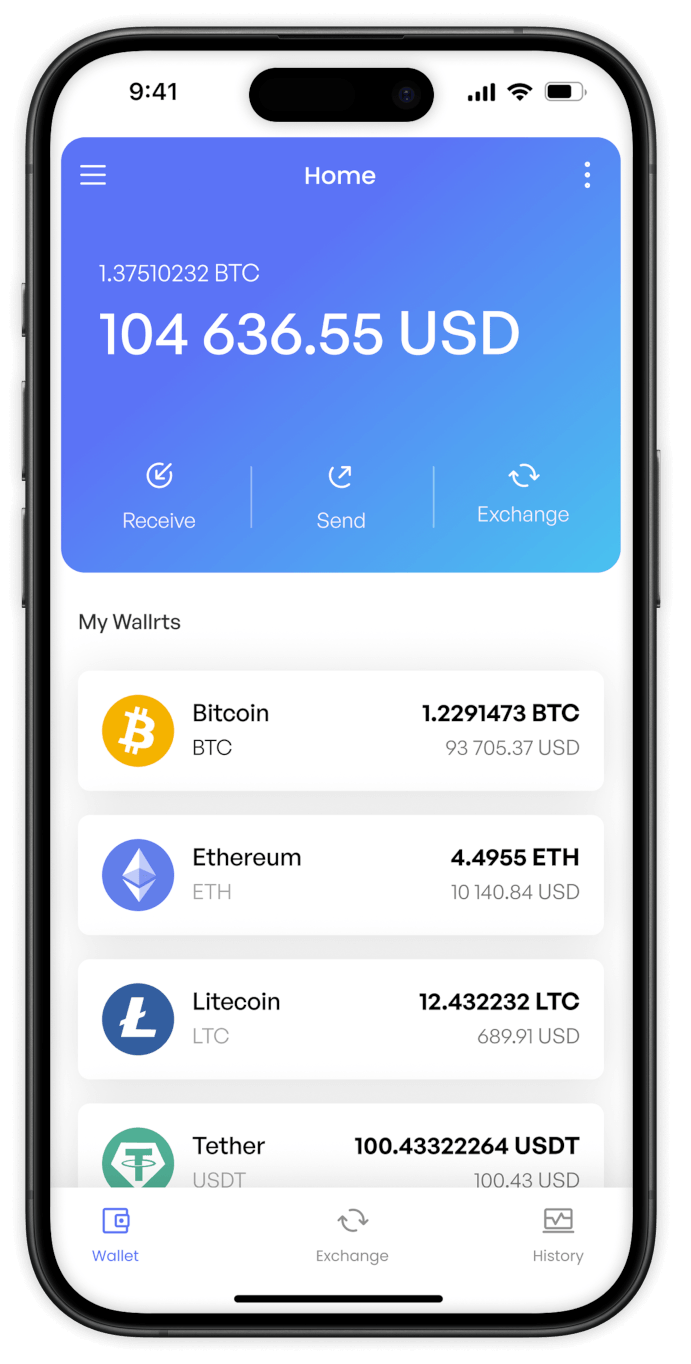
Buy crypto with your credit card from anywhere. Live rates, transparent fees, and 3D Secure on every order - the full Switchere card-buy experience in your pocket.


Scan to download the app iOS and Android