bg
  1. Home
  2. Converter
  3. Swedish Krona (SEK) to USDC (ERC20)

Convert
Swedish Krona (SEK) to USDC (ERC20) Instantly

Purchase USDC (ERC20) with Swedish Krona (SEK) easily at Switchere and benefit from fast, secure transactions.

About
USDC (ERC20)

USD Coin (USDC) is a leading fiat-collateralized stablecoin, meticulously designed to maintain a 1:1 peg with the United States Dollar. As an ERC-20 token primarily operating on the Ethereum blockchain, USDC provides a stable and transparent digital dollar, addressing the inherent volatility of other digital assets and functioning as a dependable medium of exchange and store of value. Governed by the CENTRE consortium, co-founded by Circle and Coinbase, USDC's tokenomics are centered on full backing; each token is collateralized by an equivalent amount of U.S. dollar-denominated reserve assets, predominantly cash and short-term U.S. Treasury bonds, subject to monthly attestations by independent accounting firms for enhanced transparency and trust within the digital asset ecosystem.

Leveraging the robust security and established smart contract capabilities of the Ethereum network, USDC inherits the cryptographic security of this prominent blockchain technology. Its ERC-20 standard ensures seamless integration and interoperability across a vast ecosystem of DeFi applications, decentralized exchanges (DEXs), and lending protocols. This allows for efficient on-chain transactions and complex smart contract interactions, making it a versatile digital asset for various Web3 infrastructure components. The underlying digital ledger provides a verifiable and immutable record of all USDC movements, critical for trust within the decentralized network.

Key use cases for this utility token include facilitating global payments with reduced friction, acting as essential DeFi collateral, enabling efficient trading pairs on numerous exchanges, and serving as a reliable hedging tool against market volatility. As a vital piece of the financial plumbing in the crypto space, USDC significantly contributes to liquidity and stability across many platforms. Its role as a trusted, regulated on-chain representation of the U.S. dollar solidifies its position as a foundational digital asset for both individual users and institutional participants seeking a stable interface with the decentralized economy and various DeFi applications.
USDC (ERC20)

How to Buy USDC (ERC20)

swipe Step-by-step guidance
card Easy credit card payments
btn Streamlined purchase process
  1. Step 1 illustration
    01

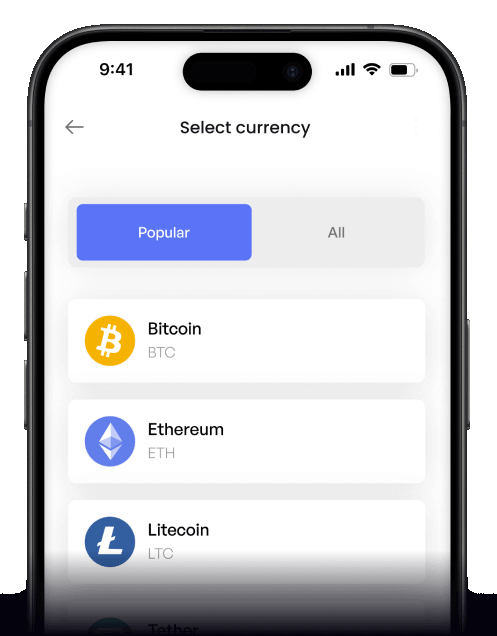
    Choose SEK to USDC Pair

    Select your preferred payment method and enter the amount.

  2. 02

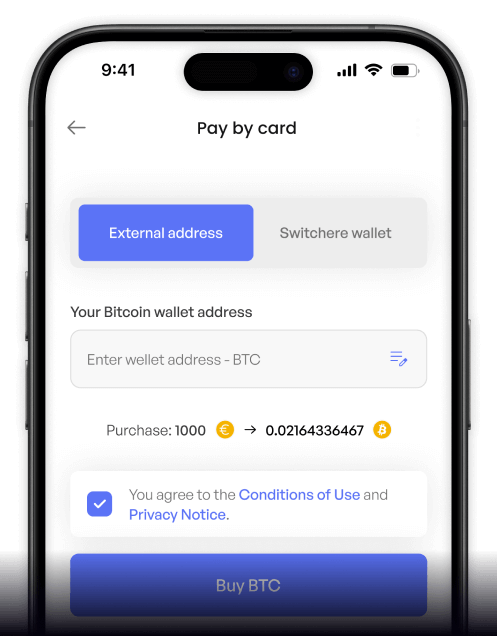
    Enter Your USD Coin Wallet Address

    Provide your USDC wallet address and proceed with the payment.

  3. 03

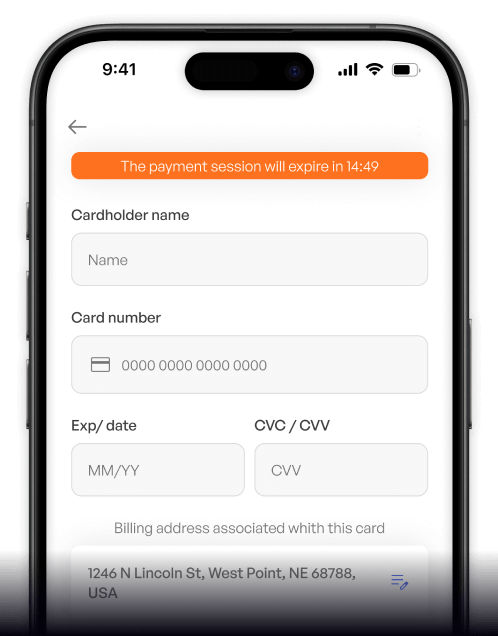
    Receive Your USD Coin

    Complete the payment, and your USDC will be sent to your wallet.

Popular Coins for Swedish Krona (SEK)

Other Coins for Swedish Krona (SEK)

Frequently asked questions

  • What does the SEK to USDC (ERC-20) trading pair represent?

    The SEK to USDC (ERC-20) pair represents a direct fiat on-ramp, allowing users to convert Swedish Krona (SEK) into USD Coin (USDC), a digital asset operating as an ERC-20 token on the Ethereum blockchain. USDC is a regulated stablecoin, pegged 1:1 to the US Dollar and issued by Circle. This pair is crucial for users in Sweden wanting to enter the Ethereum ecosystem with a price-stable asset without first converting SEK to another major currency like EUR or USD.
  • What are the common methods to purchase USDC with Swedish Krona?

    To purchase USDC with Swedish Krona, you typically use a regulated cryptocurrency exchange that offers a direct SEK fiat gateway. The most common payment methods include SEPA transfers, direct bank transfers from Swedish accounts, and sometimes local payment solutions like Trustly. Completing a KYC/AML (Know Your Customer/Anti-Money Laundering) verification process is a standard requirement on these secure trading platforms before you can initiate a digital asset purchase.
  • Why is using the ERC-20 version of USDC beneficial for transactions originating from SEK?

    Using the ERC-20 version of USDC provides direct access to the vast and liquid ecosystem of decentralized finance (DeFi) and dApps built on the Ethereum network. Once you convert SEK to USDC, your stablecoins are immediately compatible with thousands of smart contracts, lending protocols, and NFT marketplaces. This makes it a strategic choice for users who plan to actively participate in the Ethereum Virtual Machine (EVM) environment, rather than just holding a stable digital asset.
  • What kind of fees are involved in a SEK to USDC conversion?

    Converting SEK to USDC typically involves several potential fees. First, the cryptocurrency exchange will charge a trading fee or a spread on the conversion. Second, your payment method might have a fee, such as those for instant card purchases, though SEPA transfers are often low-cost. Critically, since you are acquiring an ERC-20 token, any subsequent transfer of that USDC from the exchange to a private digital wallet will incur an Ethereum network transaction fee, known as a 'gas fee', which is paid in ETH and measured in Gwei.
  • How should I securely store my USDC after buying it with SEK?

    After your SEK to USDC transaction is complete on an exchange, the most secure practice is to transfer your digital assets to a self-custody digital wallet where you control the private keys. For an ERC-20 token like USDC, this would be an Ethereum-compatible wallet such as MetaMask, Ledger, or Trezor. This protects your funds from exchange-related risks. Always back up your seed phrase and never share your private keys to ensure the security of your stablecoin holdings.
Could not find the answer to your question? Describe your issue in  

Crypto guides
Beginner-frendly

bg

Buy on the go
Anywhere. Anytime.

Buy crypto with your credit card from anywhere. Live rates, transparent fees, and 3D Secure on every order - the full Switchere card-buy experience in your pocket.


Switchere Mobile Interface

Our website uses cookies. Our Cookie Policy