


Convert
New Zealand Dollar (NZD) to LUNA Terra 2.0 (LUNA) Instantly


Purchase LUNA Terra 2.0 (LUNA) with New Zealand Dollar (NZD) easily at Switchere and benefit from fast, secure transactions.
About
LUNA Terra 2.0 (LUNA)
Terra 2.0 (LUNA) represents a new public blockchain launched as a community-driven initiative to revive the vibrant Terra ecosystem following the de-pegging of its original algorithmic stablecoin, UST. This new digital ledger operates independently of the original chain, now known as Terra Classic (LUNC), and crucially, does not feature an algorithmic stablecoin in its design. The primary objective is to preserve the valuable developer community and the wide array of decentralized applications (dApps) that were built on the original Terra network, providing them with a new foundation for growth and innovation within Web3 infrastructure.
Built using the Cosmos SDK and secured by the Tendermint proof-of-stake consensus mechanism, the Terra 2.0 blockchain prioritizes performance and interoperability. The native digital asset, LUNA, is central to the network's operation. Its primary functions are as a utility token for transaction fees and as a staking token, where validators and delegators lock up LUNA to secure the decentralized network and earn rewards. Furthermore, LUNA serves as the governance token, empowering holders to vote on key on-chain governance proposals that direct the future development and treasury management of the ecosystem, aiming to rebuild a robust hub for DeFi applications.

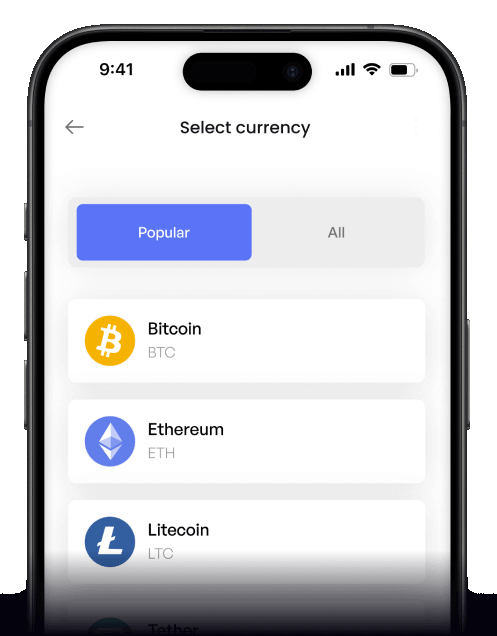
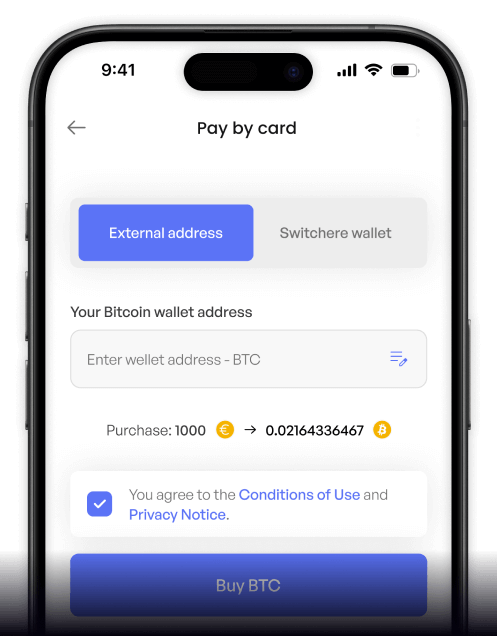
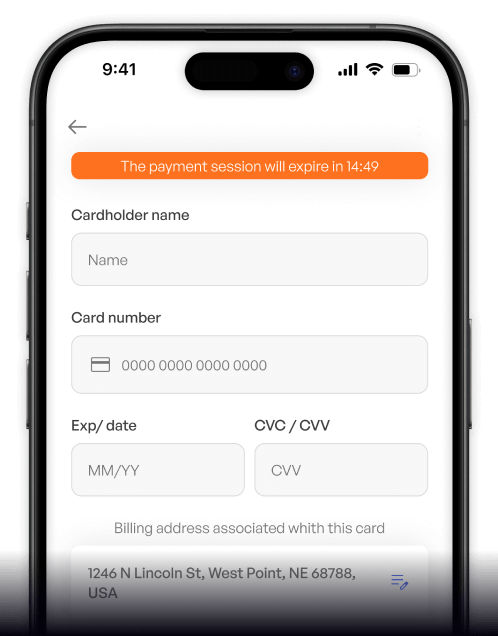
How to Buy LUNA Terra 2.0 (LUNA)
 Step-by-step guidance
 Easy credit card payments
 Streamlined purchase process
 Web
Web
Popular Coins for New Zealand Dollar (NZD)





Other Coins for New Zealand Dollar (NZD)









Frequently asked questions
-
What is the most direct way to buy Terra 2.0 (LUNA) with New Zealand Dollars (NZD)?
The most common method is using a centralized cryptocurrency exchange that offers a direct NZD/LUNA trading pair. These platforms serve as a fiat on-ramp, allowing you to fund your account via NZ bank transfer, POLi payments, or debit card. After completing the mandatory KYC/AML compliance checks, you can use the order book to purchase LUNA directly with your NZD balance, providing a seamless digital asset purchase experience. -
What fundamental role does LUNA serve in the new Terra 2.0 ecosystem?
LUNA is the native staking and governance token for the Terra 2.0 blockchain, known as the Phoenix-1 mainnet. Its primary utility is to secure the network through staking with validator nodes. Stakers earn rewards and gain voting power to participate in on-chain governance, influencing the future of dApps and protocols within the Cosmos SDK-based Terra ecosystem. It is distinct from the old LUNA Classic (LUNC). -
After buying LUNA with NZD, what are the security best practices for storing it?
For maximum security, transfer your LUNA from the exchange to a self-custody digital wallet where you control the private keys. The official wallet is Terra Station, available as a browser extension and mobile app. For an even higher level of security against online threats, consider a hardware wallet (cold storage) that is compatible with the Terra network. Never share your private keys or seed phrase. -
Are there network transaction fees when moving LUNA tokens after an NZD purchase?
Yes. While the purchase on an exchange has its own trading fees, any subsequent blockchain transaction, such as withdrawing LUNA to your Terra Station wallet or staking it, will require a network fee. This fee, paid in LUNA, compensates the validator nodes for processing and securing your transaction on the Phoenix-1 mainnet. These fees are typically dynamic based on network congestion. -
What does staking LUNA involve and why is it important for the Terra ecosystem?
Staking LUNA means delegating your tokens to a validator node that participates in the network's Proof-of-Stake consensus mechanism. This action is crucial as it helps secure the blockchain and validate transactions. In return for contributing to network security, stakers receive rewards in LUNA and gain the right to vote on governance proposals, directly shaping the development of the Terra 2.0 network.

Buy on the go
Anywhere. Anytime.
Buy crypto with your credit card from anywhere. Live rates, transparent fees, and 3D Secure on every order - the full Switchere card-buy experience in your pocket.



Scan to download the app iOS and Android

