


Convert
New Zealand Dollar (NZD) to Cartesi (CTSI) Instantly


Purchase Cartesi (CTSI) with New Zealand Dollar (NZD) easily at Switchere and benefit from fast, secure transactions.
About
Cartesi (CTSI)
Cartesi (CTSI) is a Layer-2 infrastructure platform designed to resolve the critical issue of computational scalability and high costs on blockchain networks. Often referred to as "The Blockchain OS," its primary objective is to enable decentralized applications (dApps) with complexities that rival their centralized Web2 counterparts. Cartesi achieves this by allowing developers to build smart contracts and dApps within a full Linux operating system environment, utilizing mainstream programming languages and software stacks. This approach significantly lowers the barrier to entry for developers transitioning from Web2 to Web3, fostering a richer and more powerful dApp ecosystem built on robust blockchain technology.
The core of the platform is the Cartesi Machine (CM), a deterministic virtual machine that executes intensive computations off-chain. By leveraging Optimistic Rollups, Cartesi can process these complex calculations externally while anchoring the results with cryptographic security on the underlying Layer-1 blockchain, such as Ethereum. This hybrid model provides the immense computational power of off-chain processing with the verifiable trust of an on-chain digital ledger. The native utility token, CTSI, is integral to the network's tokenomics. It is used for staking within Cartesi's Noether Proof-of-Stake (PoS) sidechain, where node runners help secure the network and earn rewards. CTSI also functions as the payment method for computation and data availability services within the ecosystem.

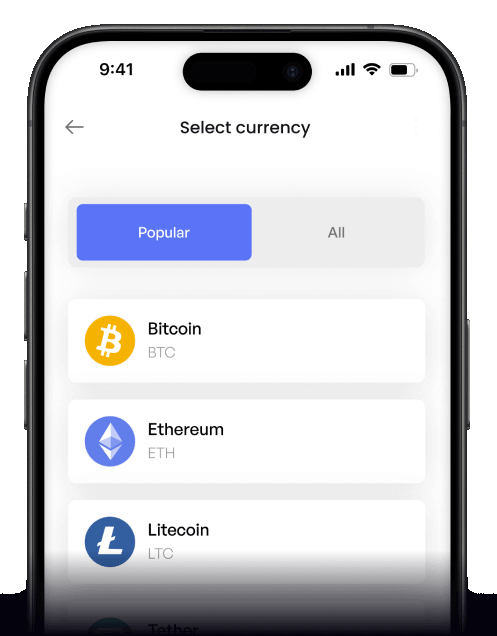
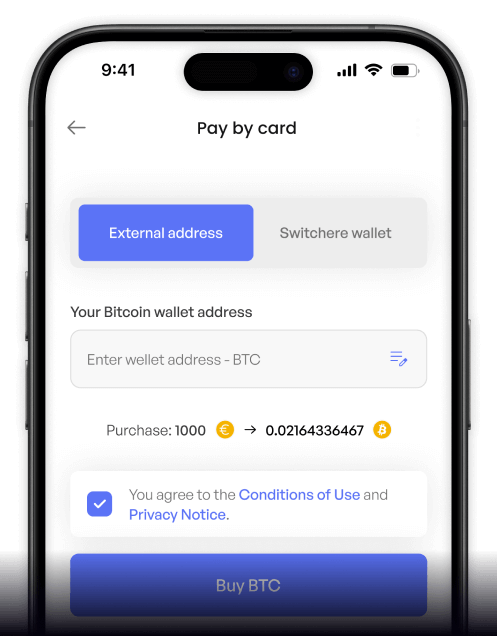
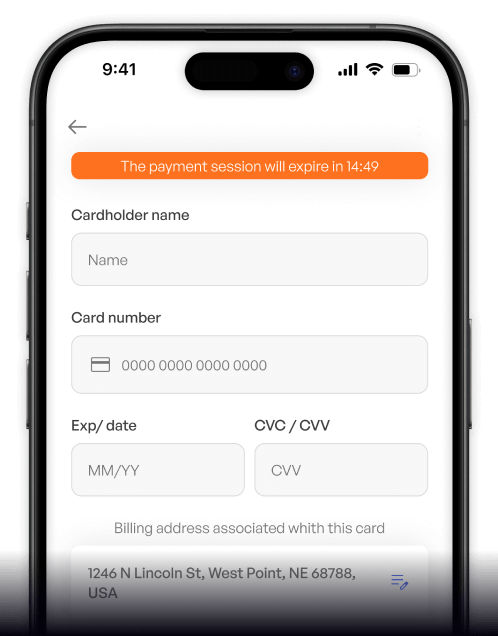
How to Buy Cartesi (CTSI)
 Step-by-step guidance
 Easy credit card payments
 Streamlined purchase process
 Web
Web
Popular Coins for New Zealand Dollar (NZD)





Other Coins for New Zealand Dollar (NZD)










Frequently asked questions
-
What is the primary method for purchasing Cartesi (CTSI) with New Zealand Dollars (NZD)?
The primary method involves using a cryptocurrency exchange that acts as a fiat on-ramp for NZD. You'll need to create an account, complete the required KYC/AML compliance checks, and then deposit NZD using methods like a New Zealand bank transfer or a debit card. Once your account is funded, you can execute a trade on the CTSI/NZD trading pair. If a direct pair is unavailable, you may need to first buy a major digital asset like Bitcoin (BTC) and then trade it for CTSI. -
What is 'The Blockchain OS' and how does it relate to the CTSI token's utility?
Cartesi is known as 'The Blockchain OS' because it's a Layer-2 platform designed to enable developers to build decentralized applications (dApps) using mainstream software stacks and a full Linux environment. This overcomes the computational limits of base-layer blockchains. The CTSI token is central to this ecosystem; it is used for staking within Cartesi's Noether Proof-of-Stake side-chain to secure the network, to pay for transaction fees for computations, and for governance, giving holders a say in the platform's future development. -
How do Cartesi's optimistic rollups enhance scalability for dApps built on its platform?
Cartesi utilizes optimistic rollups, a Layer-2 scaling solution, to perform complex computations off-chain within the Cartesi Machine (its VM). Instead of processing every single transaction on the main blockchain, it bundles, or 'rolls up', many transactions into a single batch and posts only a concise summary to the base layer. This approach significantly increases transaction throughput and reduces gas fees, making it feasible to run complex and computationally intensive dApps that would be too expensive or slow on a Layer-1 blockchain alone. The 'optimistic' part means transactions are assumed valid unless challenged, which maintains security. -
Are there challenges or extra steps when using NZD as a fiat gateway for a Layer-2 token like CTSI?
Yes, a primary challenge is lower liquidity and fewer direct NZD/CTSI trading pairs on cryptocurrency exchanges compared to major currencies like USD or EUR. This may require a two-step transaction: first, converting NZD to a more liquid cryptocurrency such as BTC or ETH, and then trading that for CTSI. This can incur additional trading fees. Furthermore, NZD deposit methods, like local NZ bank transfers, might have different processing times and fee structures compared to international wire transfers or SEPA for EUR. -
What are the best security practices when handling the NZD to CTSI transaction and storage?
Always use a reputable cryptocurrency exchange with a strong security track record for the initial purchase. Enable two-factor authentication (2FA) on your exchange account for an essential layer of protection. For long-term storage, it is highly recommended to withdraw your CTSI tokens from the exchange to a secure digital wallet where you control the private keys. Hardware wallets offer the highest level of security. Be vigilant against phishing scams and never share your private keys or seed phrase with anyone.

Buy on the go
Anywhere. Anytime.
Buy crypto with your credit card from anywhere. Live rates, transparent fees, and 3D Secure on every order - the full Switchere card-buy experience in your pocket.



Scan to download the app iOS and Android

