


- Casa
- Convertidor
- Malaysian Ringgit (MYR) a Celsius (CEL)

Convertir
Malaysian Ringgit (MYR) a Celsius (CEL) al instante


Compre Celsius (CEL) con Malaysian Ringgit (MYR) fácilmente en Switchere y benefíciese de transacciones rápidas y seguras.
Acerca de
Celsius (CEL)
Celsius Network, con su token nativo CEL, surgió como una importante plataforma de finanzas centralizadas (CeFi) diseñada para cerrar la brecha entre la banca tradicional y el mundo de los activos digitales. Su función principal era ofrecer a los usuarios la capacidad de generar rendimiento sobre sus tenencias de criptomonedas y solicitar préstamos con garantía de criptoactivos. La plataforma operaba bajo un modelo de custodia, gestionando los fondos de los usuarios para generar ingresos por intereses a través de actividades de préstamo a prestatarios institucionales. Este modelo la posicionó como una alternativa fácil de usar para los poseedores de criptomonedas que buscaban poner a trabajar sus activos sin tener que navegar por complejos protocolos DeFi.
El token CEL era el núcleo de su sistema de lealtad y recompensas. Como token de utilidad, mantener y usar CEL proporcionaba beneficios tangibles dentro del ecosistema de Celsius, como tasas de interés preferenciales tanto para ganar como para pedir prestado. Los usuarios podían recibir mayores rendimientos sobre sus activos depositados y tasas más bajas en los préstamos, con recompensas a menudo distribuidas semanalmente en forma de CEL. Esta estructura de tokenómica fue diseñada para incentivar la lealtad del usuario e impulsar la demanda del activo nativo. Sin embargo, la plataforma enfrentó importantes desafíos operativos y presiones de mercado, lo que finalmente la llevó a declararse en bancarrota bajo el Capítulo 11, impactando profundamente a sus usuarios y redefiniendo la narrativa sobre el riesgo en la industria de préstamos CeFi.

Cómo comprar Celsius (CEL)
 Guía paso a paso
 Facilidad de pago con tarjeta de crédito
 Proceso de compra simplificado
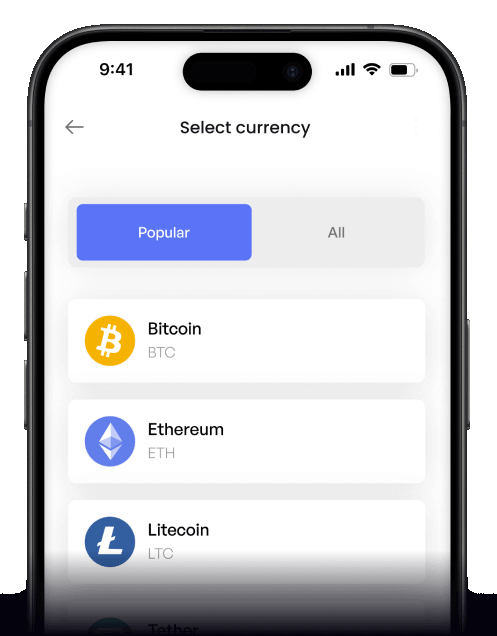
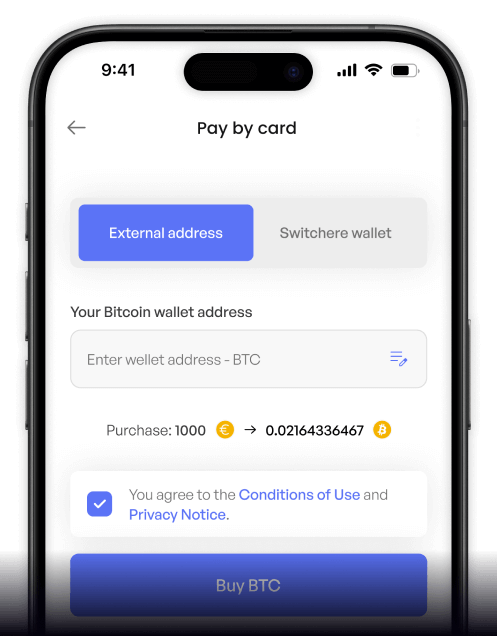
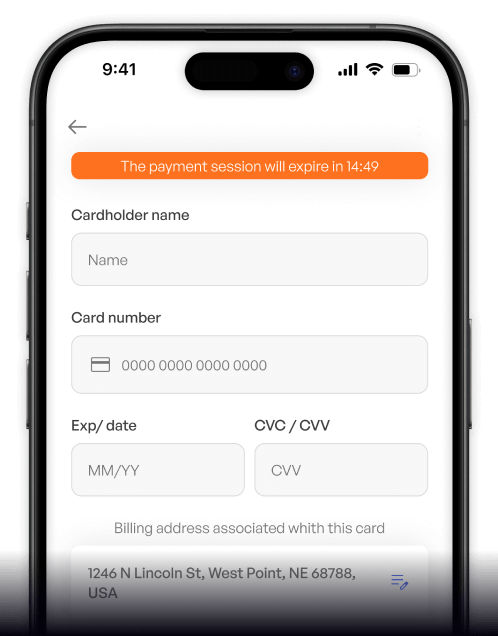
 Web
Web
Monedas populares para Malaysian Ringgit (MYR)





Otras monedas para Malaysian Ringgit (MYR)








Preguntas más frecuentes
-
¿Cuál era el método principal para adquirir tokens de Celsius (CEL) utilizando Ringgit de Malasia (MYR)?
Normalmente, no existía una rampa de acceso fiduciario directa de MYR/CEL. El proceso implicaba varios pasos: primero, comprar una criptomoneda principal como Bitcoin (BTC) o Ethereum (ETH) en un exchange de activos digitales regulado en Malasia usando MYR a través de una transferencia bancaria FPX. Después de completar el cumplimiento de KYC/AML, transferirías este activo digital a un exchange de criptomonedas internacional o a la propia plataforma de Celsius Network donde CEL estaba listado, y finalmente lo cambiarías por tokens de CEL. -
¿Cuál era la utilidad principal del token CEL dentro del programa de recompensas cripto de Celsius Network?
El token CEL era fundamental para la propuesta de valor de Celsius Network. Su utilidad principal era mejorar los beneficios del usuario a través de un sistema de niveles de lealtad. Al mantener un cierto porcentaje de su cartera en CEL, los usuarios podían acceder a mayores rendimientos en sus activos digitales depositados, recibir descuentos en las tasas de interés de los préstamos colateralizados y obtener recompensas adicionales al elegir 'ganar en CEL'. Este modelo de tokenómica fue diseñado para incentivar la tenencia y el uso de CEL dentro de su ecosistema. -
¿Cuál es el estado operativo actual de Celsius Network y cómo afecta al token CEL?
Es fundamental tener en cuenta que Celsius Network se declaró en bancarrota del Capítulo 11 en julio de 2022. Este evento alteró fundamentalmente la utilidad del token CEL, ya que los servicios principales de la plataforma, como la obtención de rendimientos y los préstamos, se detuvieron. En consecuencia, el valor del token se volvió altamente especulativo. Cualquier negociación del token CEL ahora conlleva un riesgo significativo, desvinculado de su función original dentro del ahora desaparecido programa de recompensas cripto. -
¿Existían pares de trading directos MYR/CEL disponibles en los exchanges regulados de Malasia?
No, los pares de trading directos MYR/CEL no estaban disponibles en los exchanges de activos digitales regulados por la Comisión de Valores de Malasia. La lista de activos digitales aprobados para el trading directo con fiat en Malasia era limitada. Para adquirir CEL, los usuarios malasios tenían que utilizar exchanges de criptomonedas internacionales que listaran el token, lo que requería el proceso de varios pasos de comprar primero una cripto aprobada con MYR. -
¿Cuáles eran las posibles comisiones al convertir MYR a CEL a través de múltiples exchanges?
El proceso de conversión de MYR a CEL implicaba una cadena de comisiones. Esto incluía: 1) Una comisión de depósito para MYR en un exchange local de Malasia (a menudo mínima a través de FPX). 2) Una comisión de trading por la transacción de MYR a cripto (por ejemplo, BTC). 3) Una comisión de transacción de blockchain (tarifa de red) para retirar la cripto y enviarla a la plataforma internacional. 4) Potencialmente, una comisión de depósito en el exchange receptor. 5) Una comisión final de trading o swap para convertir la cripto intermedia en tokens CEL.

Compra desde cualquier lugar
En cualquier lugar. En cualquier momento.
Compra criptomonedas con tu tarjeta de crédito desde cualquier lugar. Tipos de cambio en tiempo real, comisiones transparentes y 3D Secure en cada pedido: toda la experiencia de compra con tarjeta de Switchere en tu bolsillo.



Escanea el código para descargar la aplicación para iOS y Android

