


- Startpagina
- Omvormer
- Malaysian Ringgit (MYR) naar Bitcoin SV (BSV)

Converteer
Malaysian Ringgit (MYR) naar Bitcoin SV (BSV) direct


Koop Bitcoin SV (BSV) met Malaysian Ringgit (MYR) gemakkelijk bij Switchere en profiteer van snelle, veilige transacties.
Over
Bitcoin SV (BSV)
Bitcoin SV (BSV), wat staat voor Satoshi Vision, is een digitaal activum dat is voortgekomen uit een omstreden hard fork van de Bitcoin Cash (BCH) blockchain. De fundamentele missie is om te herstellen wat de voorstanders beschouwen als het oorspronkelijke Bitcoin-protocol, zoals beschreven in de whitepaper van Satoshi Nakamoto. De kernfilosofie van het project richt zich op massale on-chain schaalvergroting, voornamelijk door de blokgrootte-limiet te verwijderen, wat een onbeperkte blokcapaciteit mogelijk maakt. Deze technische aanpak is ontworpen om een hoog volume aan transacties met extreem lage kosten te faciliteren, waardoor praktische microbetalingen en grootschalige data-operaties direct op het digitale grootboek mogelijk worden.
Het BSV-netwerk werkt op een Proof-of-Work (PoW) consensusmechanisme en maakt gebruik van het gevestigde Unspent Transaction Output (UTXO)-model voor zijn cryptografische beveiliging. Naast zijn functie als een peer-to-peer elektronisch kassysteem, is BSV ontworpen als een wereldwijde datadrager. De native BSV-token wordt niet alleen gebruikt voor transactiekosten, maar ook voor het schrijven van data naar de blockchain, waardoor complexe applicaties en slimme contracten worden aangedreven via zijn robuuste Scripting-taal. Dit heeft geleid tot de ontwikkeling van het "Metanet," een concept voor een on-chain internet. BSV positioneert zichzelf als een fundamentele laag voor Web3-infrastructuur op bedrijfsniveau, met als doel een enkele, stabiele en schaalbare openbare blockchain voor wereldwijd gebruik te bieden.

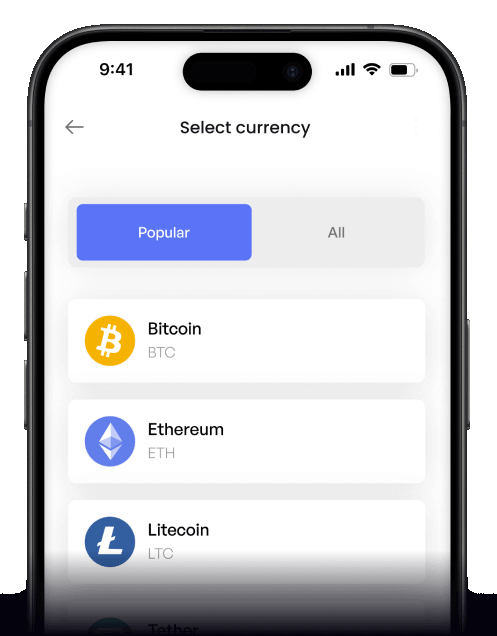
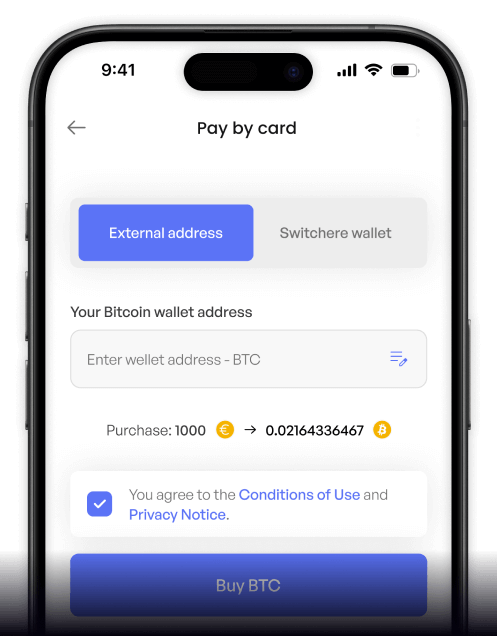
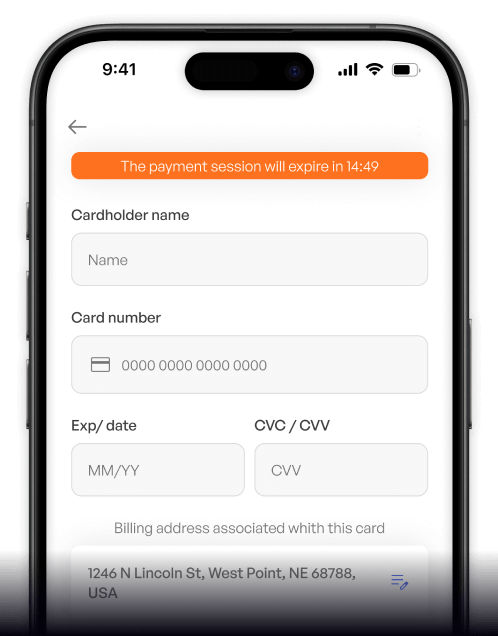
Hoe Bitcoin SV (BSV) kopen
 Stapsgewijze begeleiding
 Eenvoudige creditcardbetalingen
 Gestroomlijnd aankoopproces
 Web
Web
Populaire munten voor Malaysian Ringgit (MYR)




Andere munten voor Malaysian Ringgit (MYR)








Veelgestelde vragen
-
Wat is het handelspaar MYR/BSV en hoe functioneert het?
Het MYR/BSV-paar vertegenwoordigt een directe fiat-on-ramp voor het kopen van Bitcoin SV (BSV), een cryptocurrency die zich houdt aan het oorspronkelijke Satoshi Vision-protocol, met behulp van de Maleisische Ringgit (MYR). Deze transactie vindt doorgaans plaats op een cryptocurrency-exchange waar gebruikers MYR kunnen storten via lokale betaalmethoden zoals FPX-overschrijvingen. Zodra het account is gefinancierd, kunnen ze BSV kopen, dat bekend staat om zijn focus op het handhaven van een onbeperkte blokgrootte for on-chain schaalvergroting en microbetalingen. -
Welke platforms ondersteunen het rechtstreeks kopen van Bitcoin SV met de Maleisische Ringgit?
U kunt doorgaans BSV met MYR verkrijgen via gecentraliseerde cryptocurrency-exchanges die gereguleerd zijn en in Maleisië opereren. Deze platforms fungeren als een fiat-gateway en vereisen dat gebruikers voldoen aan KYC/AML (Know Your Customer/Anti-Money Laundering) controles. Na verificatie kunt u het orderboek openen om een kooporder te plaatsen. Het is cruciaal om een exchange te gebruiken met voldoende handelsvolume en liquiditeit voor het MYR/BSV-paar om een efficiënte uitvoering van de transactie te garanderen. -
Wat zijn de technische voordelen van het gebruik van BSV dat met MYR is verkregen?
BSV gekocht met MYR biedt toegang tot een blockchainnetwerk dat is ontworpen voor massale on-chain schaalvergroting. De belangrijkste technische voordelen zijn extreem lage transactiekosten, waardoor het geschikt is voor microbetalingen, en een grote, onbeperkte blokgrootte die complexe datatransacties en on-chain opslag mogelijk maakt. Dit faciliteert toepassingen op bedrijfsniveau en de ontwikkeling van het Metanet, een versie van het internet gebouwd op de openbare ledger van Bitcoin SV. -
Wat zijn de typische kosten bij het kopen van Bitcoin SV met de Maleisische Ringgit?
De kostenstructuur voor MYR-naar-BSV-transacties omvat doorgaans drie delen. Ten eerste, stortingskosten voor het financieren van uw account met MYR, die variëren per betaalmethode (bijv. FPX). Ten tweede, handelskosten die door de exchange in rekening worden gebracht, vaak via een maker-taker-model, wat een percentage van de transactiewaarde is. Ten derde, opnamekosten als u uw BSV naar een persoonlijke digitale portemonnee verplaatst. Deze kosten dekken de verwerking door de exchange en de inherente BSV-netwerkkosten voor de blockchain-transactie. -
Hoe kan ik mijn Bitcoin SV veilig opslaan na een MYR-transactie?
Voor optimale beveiliging wordt het ten zeerste aanbevolen om uw BSV na aankoop van de exchange naar een persoonlijke, niet-bewarende digitale portemonnee te verplaatsen. Deze praktijk, bekend als zelfbeheer, geeft u volledige controle over uw privésleutels. Opties zijn onder meer hardware wallets (koude opslag) voor maximale beveiliging of gerenommeerde software wallets (warme opslag). Controleer altijd het BSV-ontvangstadres dubbel en maak een veilige back-up van de seed-zin van uw portemonnee om verlies van uw digitale activa te voorkomen.

Onderweg kopen
Overal. Altijd.
Koop overal crypto met je creditcard. Actuele koersen, transparante kosten en 3D Secure bij elke bestelling – de volledige Switchere-ervaring voor het kopen met een creditcard, altijd bij de hand.


Scan de QR-code om de app te downloaden voor iOS en Android

