


 Web
Web












EOS ohne KYC kaufen: Der direkte Weg zu Ihrer digitalen Souveränität
 Farouk Ahmed
|
Farouk Ahmed
|
Juni 22, 2026

Kaufen Sie EOS (EOS) mit Malaysian Ringgit (MYR) einfach bei Switchere und profitieren Sie von schnellen und sicheren Transaktionen.
EOS (EOS) ist eine Blockchain-Plattform der dritten Generation, die mit der Open-Source-Software EOSIO entwickelt wurde, um die Entwicklung, das Hosting und die Ausführung dezentraler Anwendungen (dApps) in großem Maßstab zu unterstützen. Sie zielt darauf ab, die Herausforderungen in Bezug auf Skalierbarkeit und Benutzerfreundlichkeit zu lösen, die in früheren Blockchain-Technologien vorherrschten, indem sie einen hohen Transaktionsdurchsatz und ein flexibles Governance-Modell bietet. Das Herzstück der Architektur ist ein Delegated Proof-of-Stake (DPoS) Konsensmechanismus, bei dem Token-Inhaber für Blockproduzenten (BPs) stimmen, die für die Validierung von Transaktionen und die Aufrechterhaltung des dezentralen Netzwerks verantwortlich sind. Dieses System ist so konzipiert, dass es im Vergleich zu vielen Proof-of-Work-Netzwerken schnellere Blockzeiten und deutlich höhere Transaktionen pro Sekunde ermöglicht.
Ein wesentliches Unterscheidungsmerkmal von EOS ist sein ressourcenbasiertes Modell, bei dem der Besitz und das Setzen von EOS-Tokens Benutzern und Entwicklern proportionalen Zugang zu Netzwerkressourcen wie CPU (Berechnung) und NET (Bandbreite) gewährt, anstatt Gasgebühren pro Transaktion zu verlangen. RAM, eine weitere wichtige Ressource für die Speicherung von Daten auf der Kette, wird auf einem offenen Markt gehandelt. EOS unterstützt Smart Contracts, die in C++ geschrieben und in WebAssembly (WASM) kompiliert sind, und bietet damit eine robuste Umgebung für die Entwicklung komplexer dApps. Das digitale EOS-Asset erfüllt mehrere Funktionen: Es ist ein Utility-Token für den Zugriff auf Netzwerkressourcen, erleichtert die On-Chain-Governance durch die Abstimmung über BPs und Protokolländerungen und fungiert als Tauschmittel innerhalb seines Ökosystems.
EOS positioniert sich als grundlegende Web3-Infrastruktur und strebt danach, eine entwicklerfreundliche und unternehmenstaugliche Plattform zu bieten. EOS steht zwar im Wettbewerb mit anderen Anbietern, doch dank der Skalierbarkeit, der angenehmen Benutzererfahrung durch das Staking von Ressourcen und der etablierten Smart-Contract-Fähigkeiten können verschiedene DeFi-Anwendungen, Spieleplattformen und andere On-Chain-Lösungen unterstützt werden. Die fortlaufende Entwicklung der EOSIO-Software und von der Community geleitete Initiativen werden die Rolle von EOSIO innerhalb des breiteren Digital-Ledger-Raums weiter formen und sich auf die Verbesserung der Leistung und Interoperabilität konzentrieren.

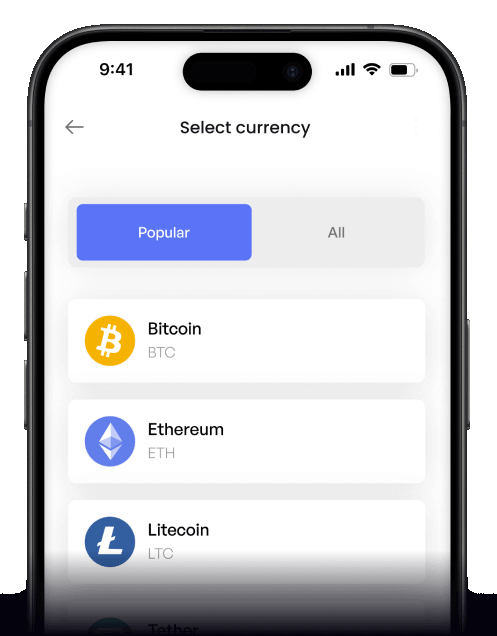
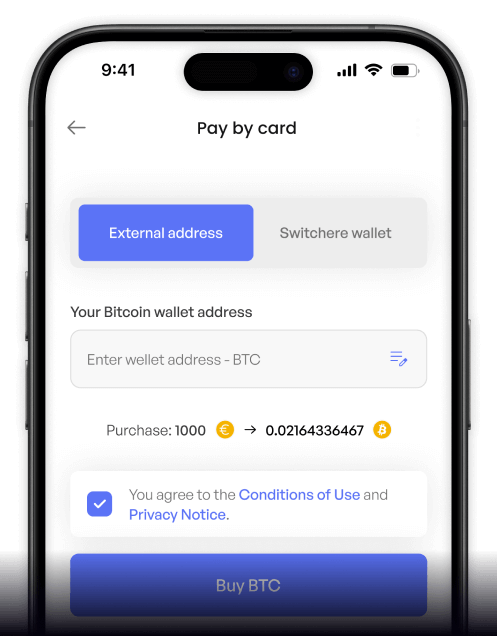
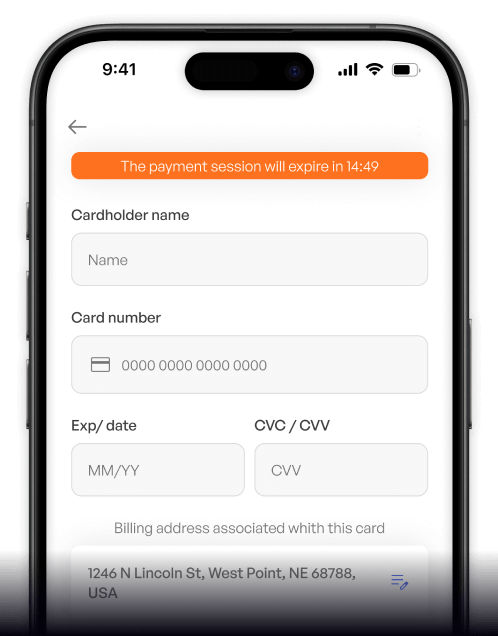
 Schritt-für-Schritt-Anleitung
 Einfache Zahlungen mit Kreditkarte
 Rationalisierter Kaufprozess
Farouk Ahmed
|
Rationalisierter Kaufprozess
Farouk Ahmed
|
Kaufen Sie Kryptowährungen mit Ihrer Kreditkarte von überall aus. Aktuelle Kurse, transparente Gebühren und 3D Secure bei jeder Bestellung – das komplette Switchere-Erlebnis beim Kauf mit Kreditkarte immer griffbereit.



Scannen Sie den QR-Code, um die App für iOS und Android herunterzuladen

Unsere Website verwendet Cookies. Unsere Cookie-Richtlinie
