


- Casa
- Convertidor
- Malaysian Ringgit (MYR) a TUSD (BEP20)

Convertir
Malaysian Ringgit (MYR) a TUSD (BEP20) al instante


Compre TUSD (BEP20) con Malaysian Ringgit (MYR) fácilmente en Switchere y benefíciese de transacciones rápidas y seguras.
Acerca de
TUSD (BEP20)
TrueUSD (TUSD) es una stablecoin regulada y colateralizada con fiat, diseñada para mantener una paridad 1:1 con el dólar estadounidense. Como token BEP20, este activo digital opera de forma nativa en la BNB Smart Chain, ofreciendo a los usuarios un medio de intercambio estable dentro de su expansivo ecosistema DeFi. El objetivo principal de TrueUSD es proporcionar un puente transparente y fiable entre las monedas fiduciarias tradicionales y la tecnología blockchain. Su propuesta de valor central se basa en un marco robusto de confianza y verificación. A diferencia de algunas alternativas, TUSD emplea a firmas de contabilidad de terceros independientes para realizar atestaciones en cadena y en tiempo real de sus reservas en USD, proporcionando a los usuarios una prueba criptográfica del respaldo de cada token en circulación en el libro mayor digital. Este compromiso con las reservas demostrables es un diferenciador clave en el mercado de las stablecoins.
La principal utilidad del token TUSD BEP20 es funcionar como una reserva de valor estable y una unidad de cuenta eficiente para las finanzas descentralizadas. Permite a los traders y usuarios de DeFi protegerse contra la volatilidad del mercado sin salir del ecosistema cripto. TUSD es integral para diversas aplicaciones DeFi en la BNB Chain, incluyendo el yield farming, los pools de liquidez, los protocolos de préstamo y como colateral para préstamos descentralizados. Aprovechar el estándar BEP20 garantiza bajas comisiones de transacción y tiempos de liquidación rápidos, mejorando su utilidad para pagos peer-to-peer e interactuando con protocolos Web3, consolidando su papel como un activo fundamental para el comercio en cadena.

Cómo comprar TUSD (BEP20)
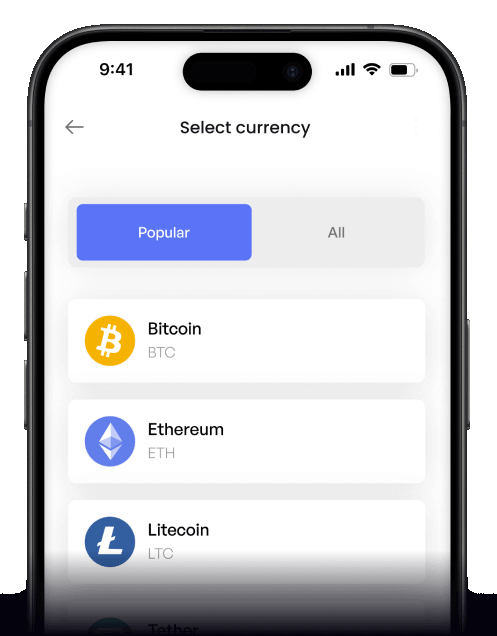
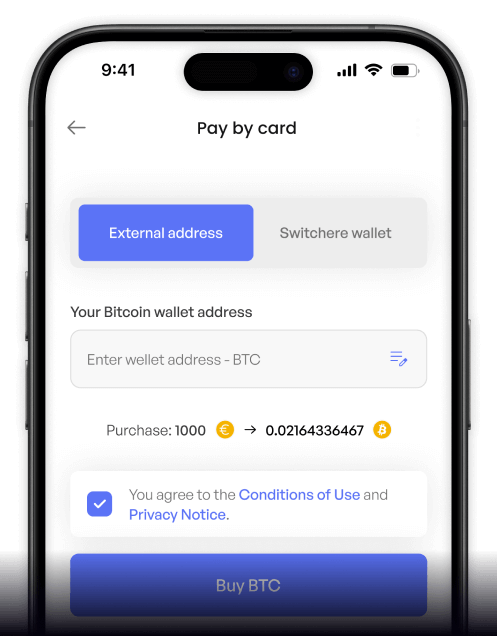
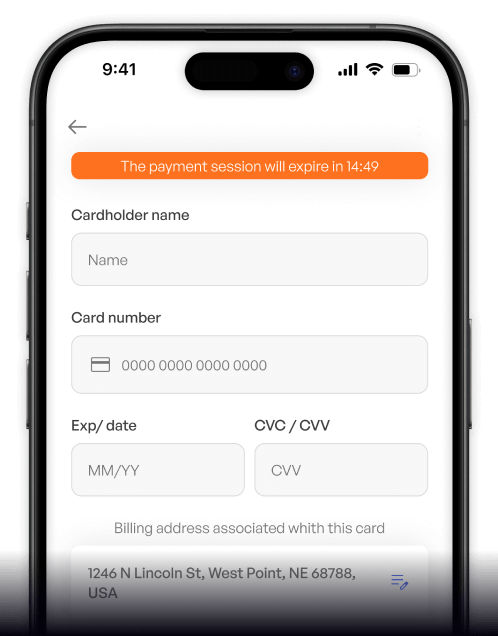
 Guía paso a paso
 Facilidad de pago con tarjeta de crédito
 Proceso de compra simplificado
 Web
Web
Monedas populares para Malaysian Ringgit (MYR)





Otras monedas para Malaysian Ringgit (MYR)









Preguntas más frecuentes
-
¿Qué es el par de trading MYR/TUSD (BEP20) y qué representa?
El par MYR/TUSD (BEP20) representa una rampa de acceso fiat directa, mostrando el tipo de cambio entre el Ringgit malasio (MYR) y TrueUSD (TUSD), una stablecoin anclada al dólar. Específicamente, este par involucra la versión BEP-20 de TUSD, que opera en la BNB Smart Chain, ofreciendo una puerta de entrada para que los usuarios malasios adquieran un activo digital estable. -
¿Cuáles son los métodos comunes para comprar TUSD (BEP20) usando Ringgit malasio?
Para comprar TUSD (BEP20) con MYR, normalmente se utiliza un exchange de criptomonedas regulado que admita depósitos en MYR. Los métodos de depósito más comunes incluyen transferencias bancarias en línea FPX o transferencias bancarias locales estándar. Después de financiar su cuenta con MYR, puede realizar una orden en el mercado al contado MYR/TUSD para ejecutar la compra del activo digital. -
¿Por qué elegiría la versión BEP-20 de TUSD sobre otras versiones de blockchain?
Elegir TUSD en el estándar BEP-20 es principalmente por eficiencia. La BNB Smart Chain es conocida por sus tarifas de transacción (tarifas de gas) significativamente más bajas y tiempos de confirmación de bloque más rápidos en comparación con otras redes como Ethereum. Esto hace que TUSD BEP-20 sea ideal para transferencias frecuentes, interactuar con aplicaciones descentralizadas (dApps) en el ecosistema de BNB y para los traders que buscan minimizar costos. -
¿Qué medidas de seguridad debo tomar al manejar transacciones de MYR a TUSD (BEP20)?
Primero, asegúrese de usar un exchange de buena reputación que cumpla con las regulaciones KYC/AML en Malasia. Al retirar TUSD, siempre verifique dos veces que su billetera digital receptora sea compatible con el estándar BEP-20 en la BNB Smart Chain. De manera crítica, verifique la dirección oficial del contrato inteligente de TUSD BEP-20 para evitar enviar fondos a una dirección fraudulenta. Asegure su cuenta de exchange con autenticación de dos factores (2FA). -
¿Qué función cumple TUSD como stablecoin en el ecosistema cripto más amplio?
TUSD (TrueUSD) es una stablecoin respaldada por reservas diseñada para mantener una paridad de 1:1 con el dólar estadounidense. Su función principal es actuar como una reserva de valor estable, permitiendo a los traders protegerse contra la volatilidad de precios de otras criptomonedas sin tener que volver a fiat. También sirve como un medio de intercambio líquido para pares de trading en exchanges y para pagos dentro de aplicaciones DeFi.

Compra desde cualquier lugar
En cualquier lugar. En cualquier momento.
Compra criptomonedas con tu tarjeta de crédito desde cualquier lugar. Tipos de cambio en tiempo real, comisiones transparentes y 3D Secure en cada pedido: toda la experiencia de compra con tarjeta de Switchere en tu bolsillo.



Escanea el código para descargar la aplicación para iOS y Android

