


- Casa
- Convertidor
- Malaysian Ringgit (MYR) a Ren (REN)

Convertir
Malaysian Ringgit (MYR) a Ren (REN) al instante


Compre Ren (REN) con Malaysian Ringgit (MYR) fácilmente en Switchere y benefíciese de transacciones rápidas y seguras.
Acerca de
Ren (REN)
Ren (REN) es un protocolo de interoperabilidad descentralizado diseñado para facilitar la transferencia sin permisos de activos digitales entre diferentes redes blockchain. Su propósito principal es desbloquear la liquidez entre cadenas para aplicaciones de finanzas descentralizadas (DeFi). El núcleo del proyecto es la RenVM, una máquina virtual descentralizada impulsada por una red de nodos llamados Darknodes. Al aprovechar el cómputo seguro multipartito (sMPC), la RenVM puede custodiar activos en una cadena y acuñar una representación ERC-20 respaldada 1:1 en otra, como Ethereum, sin exponer las claves privadas subyacentes. Este proceso permite que activos como Bitcoin (BTC) se utilicen dentro del ecosistema DeFi de Ethereum como renBTC.
El token de utilidad nativo del protocolo, REN, es esencial para la operación y seguridad de la red. Para operar un Darknode, los operadores deben depositar una fianza de 100,000 tokens REN como garantía. Esta medida de seguridad criptográfica incentiva el comportamiento honesto, ya que las acciones maliciosas resultarían en la pérdida del activo digital depositado. Los operadores de Darknodes obtienen recompensas de las comisiones generadas por las transferencias de activos a través de la RenVM. Como una pieza fundamental de la infraestructura Web3, Ren funciona como un puente sin confianza, mejorando la componibilidad y la eficiencia del capital de todo el ecosistema en cadena al romper los silos entre blockchains dispares.

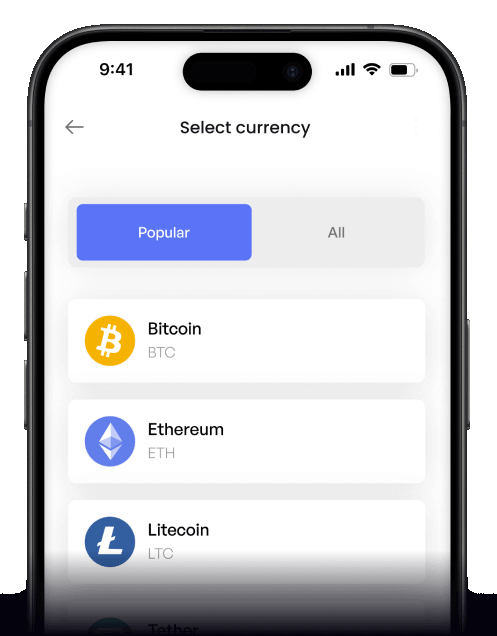
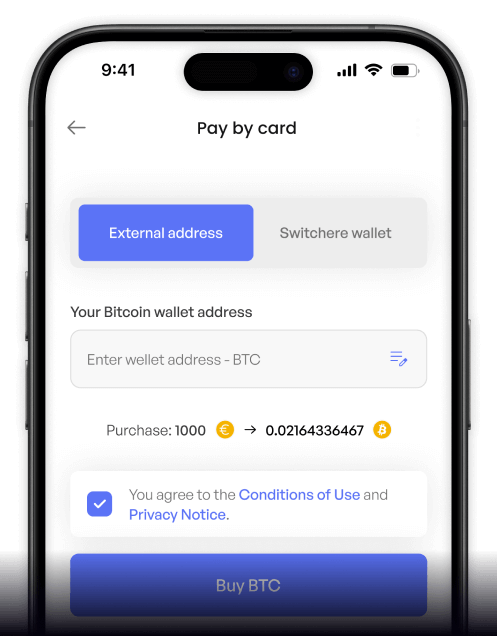
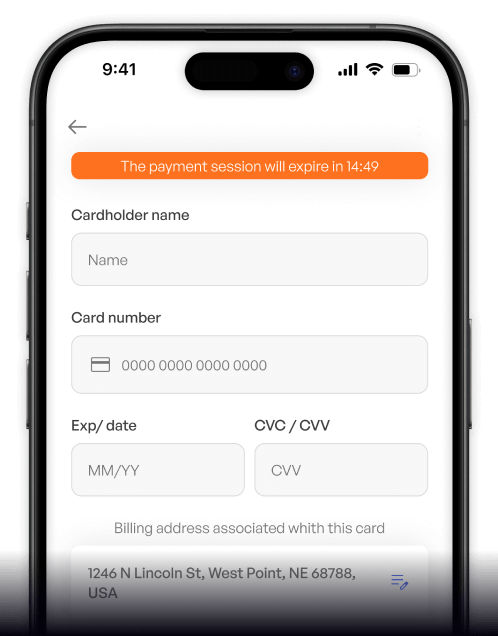
Cómo comprar Ren (REN)
 Guía paso a paso
 Facilidad de pago con tarjeta de crédito
 Proceso de compra simplificado
 Web
Web
Monedas populares para Malaysian Ringgit (MYR)





Otras monedas para Malaysian Ringgit (MYR)









Preguntas más frecuentes
-
¿Qué es el par de trading MYR/REN y qué representa?
El par MYR/REN le permite comprar el activo digital Ren (REN) utilizando el Ringgit malasio (MYR). Esto sirve como una rampa de acceso fiat directa para que los usuarios en Malasia adquieran REN, un token ERC-20 que impulsa el protocolo Ren. El protocolo está diseñado para la interoperabilidad de blockchain, permitiendo el movimiento de activos como Bitcoin a través de diferentes ecosistemas DeFi a través de su componente principal, el RenVM. -
¿Cuáles son los métodos comunes para depositar MYR para comprar REN en un exchange de criptomonedas?
En los exchanges regulados de Malasia, el método más común y eficiente para depositar Ringgit malasio (MYR) es a través del sistema Financial Process Exchange (FPX). Esto permite transferencias bancarias en línea instantáneas desde los principales bancos de Malasia. Las transferencias bancarias estándar también son una opción, aunque pueden tardar más. Todas las plataformas de renombre requerirán que complete las verificaciones de cumplimiento KYC/AML antes de que pueda depositar fiat y proceder con la compra de un activo digital. -
¿Cómo facilita el protocolo Ren la liquidez entre cadenas para los activos?
El protocolo Ren utiliza su máquina virtual segura y descentralizada, RenVM, para permitir la interoperabilidad. Cuando un usuario envía un activo como BTC a RenVM, este es retenido de forma segura por una red de Darknodes. RenVM luego acuña una representación de token ERC-20 respaldada 1:1, como renBTC, en una blockchain de destino como Ethereum. Esto permite que los activos nativos de una cadena se utilicen dentro del ecosistema DeFi de otra, moviendo efectivamente los activos entre blockchains y desbloqueando una vasta liquidez entre cadenas. -
¿Cuál es la función de los Darknodes dentro del protocolo abierto de Ren?
Los Darknodes son la red descentralizada de computadoras que impulsan el RenVM. Para operar un Darknode, un individuo debe depositar 100,000 tokens REN como garantía. Estos nodos trabajan juntos utilizando computación segura multipartita (sMPC) para gestionar de forma privada las claves de los activos bloqueados en RenVM sin que ningún nodo individual tenga acceso a la clave completa. Son responsables de validar las transacciones y de acuñar/quemar activos envueltos, ganando comisiones por su contribución a la seguridad y operación de la red. -
¿Qué tipos de comisiones debo esperar al ejecutar una operación de MYR a REN?
La negociación de MYR por REN generalmente implica varias comisiones potenciales. Primero, puede haber una comisión de depósito por su MYR, aunque las transferencias FPX en los exchanges de Malasia suelen ser gratuitas. Segundo, el exchange cobrará una comisión de trading, generalmente un pequeño porcentaje del valor de la transacción, basado en un modelo de creador-tomador. Finalmente, si mueve su REN a una billetera digital personal, incurrirá en una tarifa de transacción de blockchain. Dado que REN es un token ERC-20, esta será una tarifa de gas pagada en la red Ethereum, que puede fluctuar según la congestión de la red.

Compra desde cualquier lugar
En cualquier lugar. En cualquier momento.
Compra criptomonedas con tu tarjeta de crédito desde cualquier lugar. Tipos de cambio en tiempo real, comisiones transparentes y 3D Secure en cada pedido: toda la experiencia de compra con tarjeta de Switchere en tu bolsillo.



Escanea el código para descargar la aplicación para iOS y Android

