Convert
Kuwaiti Dinar (KWD) to TUSD (BEP20) Instantly
Purchase TUSD (BEP20) with Kuwaiti Dinar (KWD) easily at Switchere and benefit from fast, secure transactions.
About
TUSD (BEP20)
TrueUSD (TUSD) is a regulated, fiat-collateralized stablecoin engineered to maintain a 1:1 peg with the United States Dollar. As a BEP20 token, this digital asset operates natively on the BNB Smart Chain, offering users a stable medium of exchange within its expansive DeFi ecosystem. The primary goal of TrueUSD is to provide a transparent and reliable bridge between traditional fiat currencies and blockchain technology. Its core value proposition is built upon a robust framework of trust and verification. Unlike some alternatives, TUSD employs independent third-party accounting firms to conduct real-time, on-chain attestations of its USD reserves, providing users with cryptographic proof of the backing for every token in circulation on the digital ledger. This commitment to provable reserves is a key differentiator in the stablecoin market.
The main utility of the TUSD BEP20 token is to function as a stable store of value and an efficient unit of account for decentralized finance. It allows traders and DeFi users to hedge against market volatility without exiting the crypto ecosystem. TUSD is integral to various DeFi applications on BNB Chain, including yield farming, liquidity pools, lending protocols, and as collateral for decentralized borrowing. Leveraging the BEP20 standard ensures low transaction fees and fast settlement, enhancing its utility for peer-to-peer payments and interacting with Web3 protocols, solidifying its role as a foundational asset for on-chain commerce.
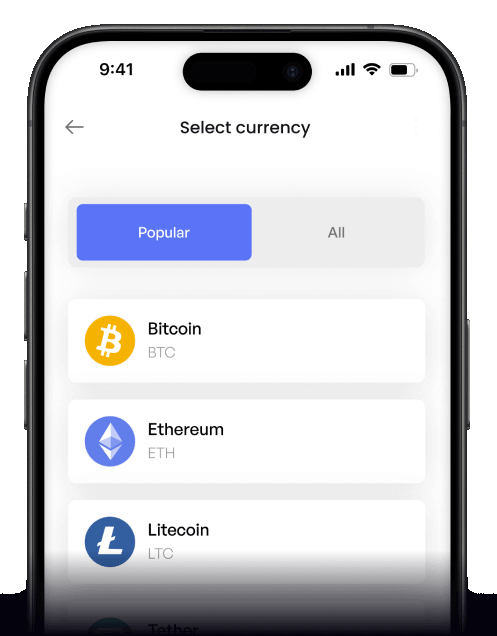
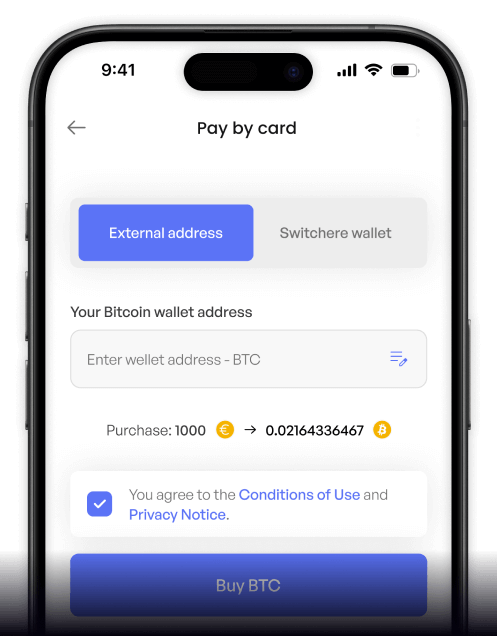
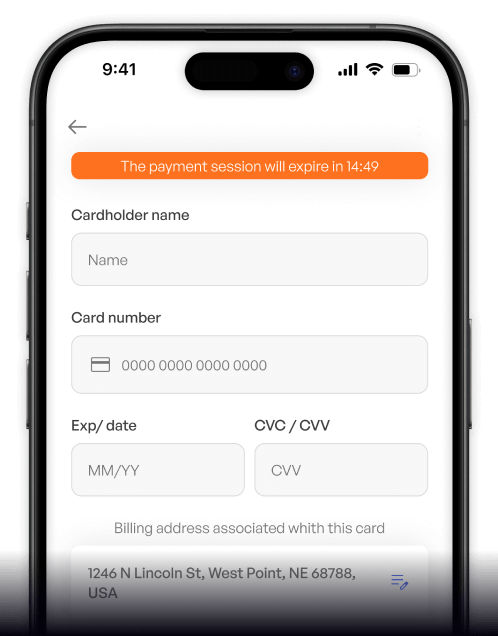
How to Buy TUSD (BEP20)
Popular Coins for Kuwaiti Dinar (KWD)
Other Coins for Kuwaiti Dinar (KWD)
Frequently asked questions
-
What is the KWD to TUSD (BEP20) pairing and what is its primary function?
The KWD/TUSD (BEP20) pair represents a fiat-to-crypto gateway, allowing users to convert Kuwaiti Dinar (KWD) into TrueUSD (TUSD), a stablecoin pegged 1:1 to the US dollar, specifically on the Binance Smart Chain (BSC) as a BEP-20 token. Its primary function is to provide a stable, low-cost entry point into the BSC DeFi ecosystem for users holding KWD, bypassing the volatility of other digital assets and leveraging the low transaction fees of the BEP-20 standard. -
Which platforms support buying TUSD (BEP20) directly with Kuwaiti Dinar?
Direct KWD to TUSD (BEP20) purchases are typically found on regional cryptocurrency exchanges or peer-to-peer (P2P) marketplaces that cater to the Middle East. Users would look for a platform that accepts KWD deposits via local bank transfers or payment systems like K-Net. On these platforms, you would complete KYC/AML compliance, deposit KWD, and then trade it for TUSD, ensuring you select the BEP-20 network for withdrawal to your digital wallet. -
What are the benefits of using the BEP-20 version of TUSD over other versions?
The primary benefits of using TUSD as a BEP-20 token on the Binance Smart Chain are significantly lower transaction costs (gas fees) and faster block confirmation times compared to its ERC-20 counterpart on Ethereum. This makes it highly efficient for frequent trading, payments, or interacting with decentralized applications (dApps) within the vast and growing BSC ecosystem. Its integration is seamless with BEP-20 compatible wallets like Trust Wallet and MetaMask. -
How can I verify the authenticity and reserves of TUSD stablecoin?
TrueUSD (TUSD) maintains transparency through regular, independent attestations of its USD-collateralized reserves. You can typically find these reports, conducted by third-party accounting firms, on the official TrueUSD website. On-chain, you can verify the BEP-20 smart contract address for TUSD on a block explorer like BscScan to ensure you are interacting with the legitimate token and not a fraudulent copy. Always cross-reference the contract address from a trusted source. -
What fees are involved when converting Kuwaiti Dinar to TUSD (BEP20)?
The process involves several potential fees: 1) A deposit fee for transferring KWD to the cryptocurrency exchange. 2) A trading fee (maker/taker fee) on the exchange when you execute the KWD/TUSD trade. 3) A withdrawal fee, which includes the very low Binance Smart Chain network gas fee, when you move the TUSD (BEP20) from the exchange to your personal self-custody wallet. Always review the fee schedule of your chosen exchange.