


Convert
Kuwaiti Dinar (KWD) to Aave (AAVE) Instantly


Purchase Aave (AAVE) with Kuwaiti Dinar (KWD) easily at Switchere and benefit from fast, secure transactions.
About
Aave (AAVE)
Aave (AAVE) is a leading decentralized finance (DeFi) protocol, functioning as an open-source, non-custodial liquidity market. Its primary purpose is to enable users to lend and borrow a diverse range of digital assets without intermediaries. The platform leverages sophisticated smart contracts on blockchain technology, primarily Ethereum, but has expanded its reach to multiple chains, enhancing its DeFi applications. Users supplying assets to Aave liquidity pools earn passive income through interest, receiving interest-bearing aTokens in return, which represent their deposited capital and accrued interest. Borrowers, on the other hand, can take out overcollateralized loans or innovative undercollateralized "flash loans," a unique feature for developers.
The core technology of Aave relies on its robust smart contract architecture, facilitating secure and transparent on-chain transactions. Key distinguishing features include its support for variable and stable interest rates, offering flexibility to users based on market conditions and risk appetite. The native AAVE token serves crucial functions within this decentralized network. It acts as a governance token, empowering holders to vote on protocol upgrades and parameter changes, shaping the future of the Aave ecosystem. Furthermore, AAVE can be staked in the protocol's Safety Module, contributing to its cryptographic security and providing an insurance backstop, with stakers earning rewards. Aave stands as a cornerstone of Web3 infrastructure, providing foundational money market services.

How to Buy Aave (AAVE)
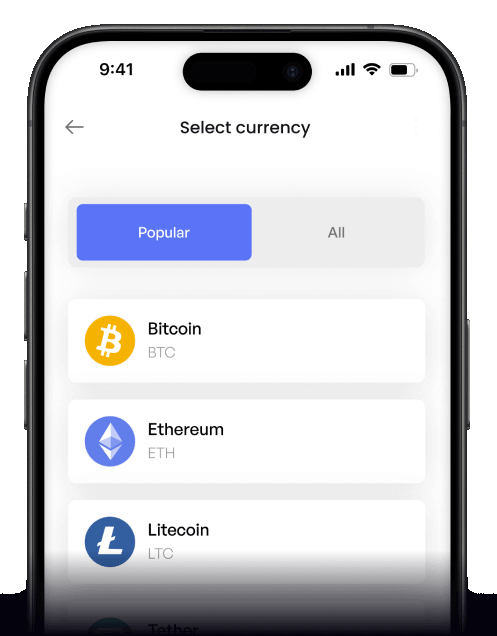
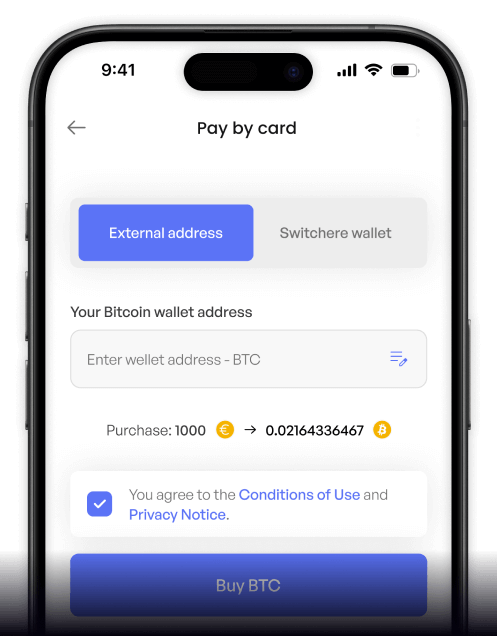
 Step-by-step guidance
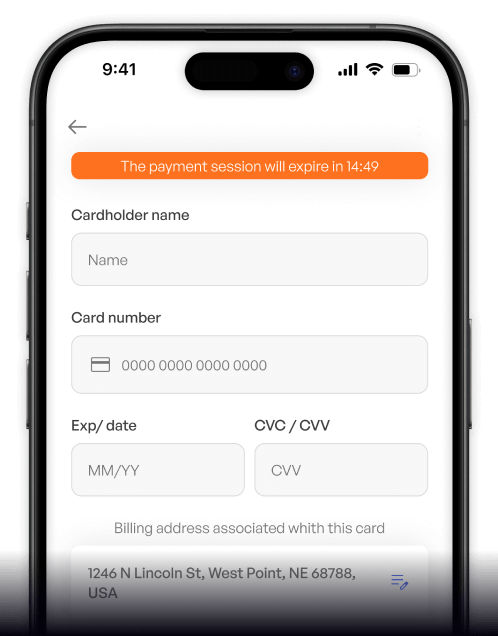
 Easy credit card payments
 Streamlined purchase process
 Web
Web
Popular Coins for Kuwaiti Dinar (KWD)




Other Coins for Kuwaiti Dinar (KWD)





Frequently asked questions
-
What is the KWD/AAVE trading pair and why is it significant?
The KWD/AAVE pair represents the exchange rate between the Kuwaiti Dinar (KWD) and the Aave (AAVE) token. Its significance lies in providing a direct fiat on-ramp for investors in the Gulf region to acquire a key governance token for the Aave protocol, one of DeFi's leading decentralized lending platforms. This allows for direct entry into the DeFi ecosystem without first converting KWD to another major currency like USD. -
What are the common methods to buy Aave (AAVE) with Kuwaiti Dinar (KWD)?
To buy AAVE with KWD, you typically need to use a centralized cryptocurrency exchange that supports KWD deposits. The process involves finding a regulated platform, completing KYC/AML verification, and funding your account using Kuwaiti bank transfers or debit/credit cards. If a direct KWD/AAVE pair isn't available, a common strategy is to buy a liquid stablecoin like USDT with KWD first, and then trade that stablecoin for AAVE on the exchange. -
What are the core utilities of the AAVE token after acquiring it?
The AAVE token is central to the Aave protocol's ecosystem. Its primary utilities are governance and security. Token holders can vote on Aave Improvement Proposals (AIPs), shaping the future of the protocol. Additionally, AAVE can be staked in the protocol's 'Safety Module' to act as insurance against shortfall events, and stakers earn rewards for providing this security. This makes it a crucial digital asset for participating in DeFi governance. -
What types of fees should I expect when trading KWD for AAVE?
When purchasing the AAVE digital asset with KWD, anticipate several potential fees. These include deposit fees for getting KWD onto the exchange, trading fees (often a percentage of the transaction value), and withdrawal fees for moving your ERC-20 AAVE tokens to a secure, external digital wallet. Remember that once your AAVE is on the Ethereum blockchain, any further transfer or interaction with DeFi protocols will incur network gas fees, paid in ETH. -
How does the Aave protocol's decentralized lending model work?
The Aave protocol operates as a decentralized, non-custodial liquidity protocol. Users can participate as suppliers or borrowers. Suppliers provide liquidity to a market to earn passive income, while borrowers can borrow in an overcollateralized fashion. When users deposit assets, they receive corresponding aTokens, which are interest-bearing tokens that represent their claim on the underlying asset. This entire process is governed by smart contracts, eliminating the need for traditional financial intermediaries.

Buy on the go
Anywhere. Anytime.
Buy crypto with your credit card from anywhere. Live rates, transparent fees, and 3D Secure on every order - the full Switchere card-buy experience in your pocket.



Scan to download the app iOS and Android

