


Convert
Kuwaiti Dinar (KWD) to Compound (COMP) Instantly


Purchase Compound (COMP) with Kuwaiti Dinar (KWD) easily at Switchere and benefit from fast, secure transactions.
About
Compound (COMP)
Compound (COMP) is a prominent decentralized finance (DeFi) protocol operating on the Ethereum blockchain, engineered to establish autonomous, algorithmic money markets. Its core purpose is to enable users to lend and borrow digital assets in a permissionless manner, directly interacting with smart contracts rather than traditional financial intermediaries. The protocol dynamically determines interest rates for supplied and borrowed assets based on real-time supply and demand within each specific asset's liquidity pool. Users who supply assets receive cTokens, which are ERC-20 interest-bearing tokens representing their underlying collateral and accrued interest, forming a key component of its tokenomics and on-chain functionality.
The system’s cryptographic security is underpinned by an over-collateralization model, requiring borrowers to lock up more value than they borrow, mitigating risk within this decentralized network. The native COMP token primarily functions as a governance token. Holders of COMP can propose, debate, and implement changes to the protocol, including adjusting collateral factors, adding support for new digital assets, or modifying interest rate models. This governance mechanism empowers the community to collectively manage the evolution of this Web3 infrastructure. Compound is recognized as a foundational DeFi application, significantly influencing the development of on-chain lending, borrowing, and yield generation strategies across the broader blockchain technology landscape, showcasing the potential of decentralized financial systems.

How to Buy Compound (COMP)
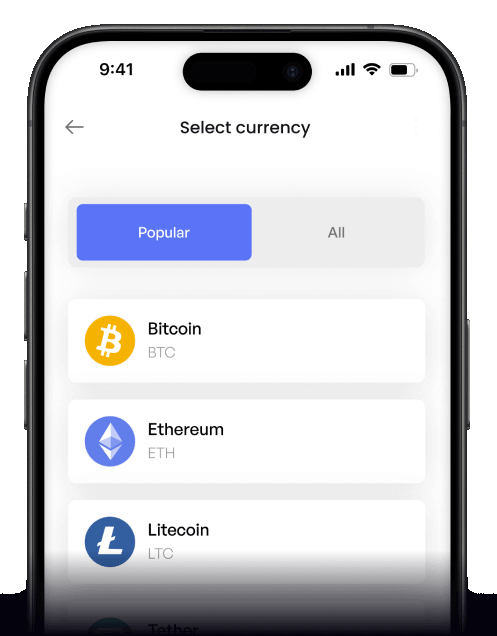
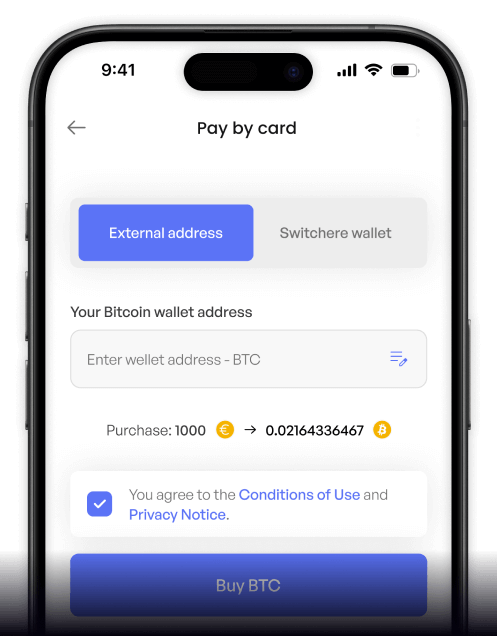
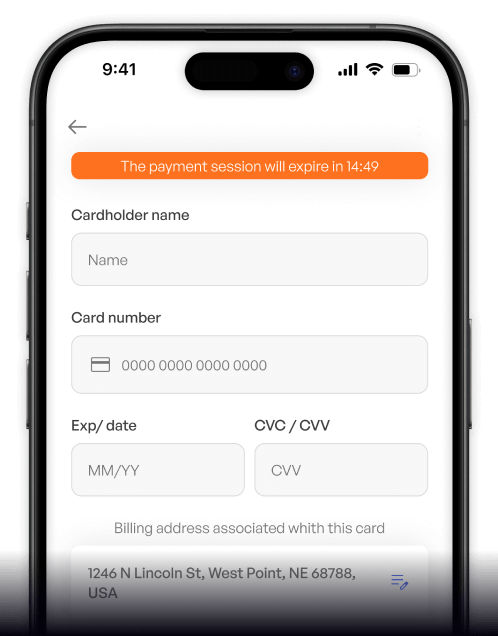
 Step-by-step guidance
 Easy credit card payments
 Streamlined purchase process
 Web
Web
Popular Coins for Kuwaiti Dinar (KWD)





Other Coins for Kuwaiti Dinar (KWD)





Frequently asked questions
-
What is the primary method for purchasing Compound (COMP) with Kuwaiti Dinar (KWD)?
The most common method to buy COMP with KWD is through a centralized cryptocurrency exchange that serves the Middle East and supports KWD as a fiat on-ramp. Users typically need to complete KYC/AML verification, deposit KWD via a local bank transfer or payment service like KNET, and then use the KWD balance to execute a trade on the COMP/KWD order book or use a direct buy feature. -
What is the strategic advantage of using a direct KWD to COMP trading pair?
A direct KWD/COMP pair provides users in Kuwait with a streamlined fiat gateway into one of the foundational DeFi lending protocols. This avoids conversion fees and complexities associated with first buying a major cryptocurrency like BTC or ETH, or converting KWD to USD. It allows for direct acquisition of the COMP governance token, enabling participation in the protocol's future direction and accessing yield farming opportunities within the Compound ecosystem. -
What are the typical fees when converting KWD to COMP?
Transactions from KWD to COMP usually involve several types of fees. First, a deposit fee for funding your exchange account with KWD via bank transfer. Second, a trading fee on the exchange (often a maker/taker model) for executing the KWD/COMP trade. Finally, when you move your COMP off the exchange to a private digital wallet, you will incur a network fee (gas fee), as COMP is an ERC-20 token on the Ethereum blockchain. -
Once I buy COMP, how do I participate in the Compound DeFi protocol?
While COMP is the governance token, direct participation in Compound's lending and borrowing involves supplying other crypto assets (like ETH or stablecoins) to its liquidity pools. When you supply an asset, you receive interest-bearing cTokens in return. Your COMP tokens are crucial for voting on governance proposals that determine the protocol's parameters, such as which assets to support or interest rate models. Holding COMP is key to influencing the decentralized finance ecosystem. -
Is KYC/AML verification required to use a KWD on-ramp for COMP?
Yes, virtually all reputable cryptocurrency exchanges that offer fiat on-ramps, including for the Kuwaiti Dinar (KWD), require mandatory Know Your Customer (KYC) and Anti-Money Laundering (AML) compliance. Users must provide identification documents to verify their identity before they can deposit KWD and trade for digital assets like COMP. This is a standard regulatory measure to ensure platform security and prevent illicit financial activities.

Buy on the go
Anywhere. Anytime.
Buy crypto with your credit card from anywhere. Live rates, transparent fees, and 3D Secure on every order - the full Switchere card-buy experience in your pocket.



Scan to download the app iOS and Android

