Convert
Kuwaiti Dinar (KWD) to Hedera Hashgraph (HBAR) Instantly
Purchase Hedera Hashgraph (HBAR) with Kuwaiti Dinar (KWD) easily at Switchere and benefit from fast, secure transactions.
About
Hedera Hashgraph (HBAR)
Hedera is a public distributed ledger that utilizes a unique consensus mechanism known as Hashgraph, presenting a distinct alternative to traditional blockchain technology. This enterprise-grade network is specifically engineered to address scalability and performance bottlenecks. At its core is the Directed Acyclic Graph (DAG) architecture, secured by the asynchronous Byzantine Fault Tolerance (aBFT) algorithm. This foundation, powered by a gossip-about-gossip protocol and virtual voting, enables extremely high throughput with thousands of transactions per second, low-latency finality, and mathematically proven fair ordering of transactions, all while maintaining low, fixed fees and remarkable energy efficiency. The network's governance is overseen by the Hedera Governing Council, a body of leading global organizations. Hedera offers a suite of services, including the Hedera Consensus Service (HCS) for verifiable event logging and the Hedera Token Service (HTS) for native token issuance, alongside EVM-compatible smart contracts. The native digital asset, HBAR, is the fuel of the ecosystem. This utility token is used to pay for network transaction fees, secure the network via proxy staking, and facilitate a wide range of Web3 applications and DeFi protocols built on its robust infrastructure.
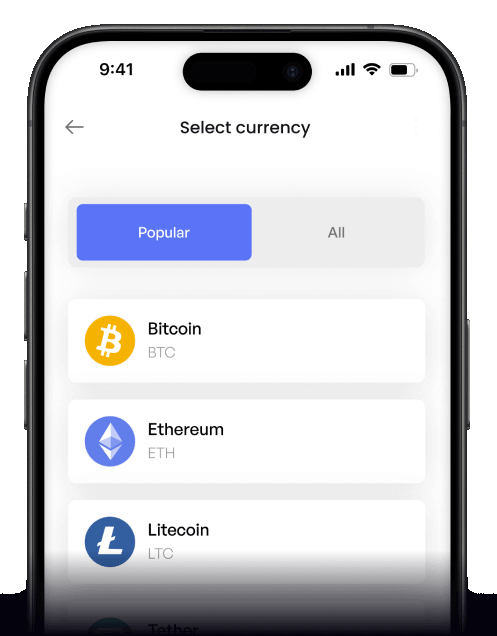
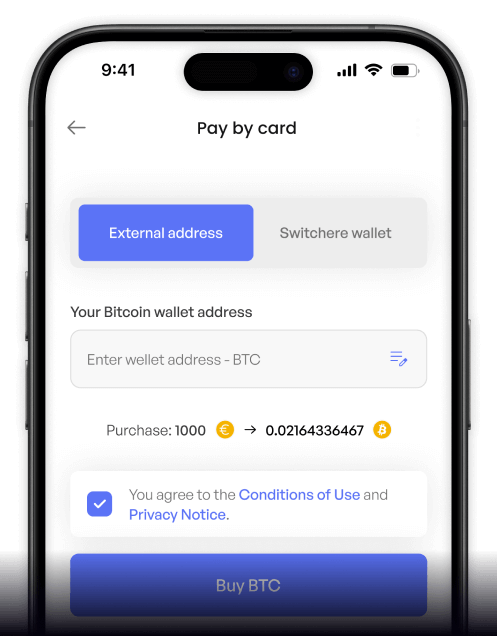
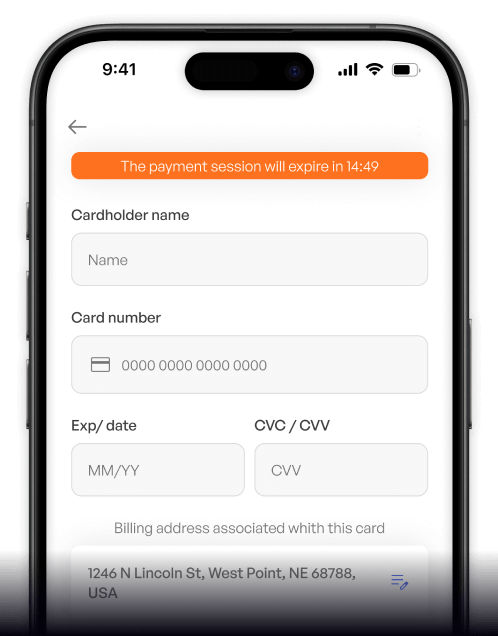
How to Buy Hedera Hashgraph (HBAR)
Popular Coins for Kuwaiti Dinar (KWD)
Other Coins for Kuwaiti Dinar (KWD)
Frequently asked questions
-
What is the most common method to buy Hedera (HBAR) with Kuwaiti Dinar (KWD)?
The most common method to convert KWD to HBAR is through a centralized cryptocurrency exchange that serves the Middle East and supports KWD deposits. Users typically complete a KYC/AML verification process, deposit KWD via a local bank transfer or a payment network like KNET, and then use the KWD/HBAR trading pair on the platform's order book to purchase the digital asset. -
What makes Hedera's Hashgraph consensus different from a traditional blockchain when I use HBAR?
Unlike traditional blockchains that use a chain of blocks, Hedera uses a directed acyclic graph (DAG) structure and a 'gossip about gossip' protocol. This achieves asynchronous Byzantine Fault Tolerance (aBFT), providing faster, fairer, and more secure consensus. For HBAR transactions, this translates to very low latency, predictable gas fees, and high throughput, making it ideal for micropayments and applications requiring real-time performance. -
What is the role of the Hedera Governing Council and how does it affect my HBAR assets?
The Hedera Governing Council is a body of up to 39 leading global organizations that governs the network. They manage software updates, network pricing, and treasury management. This model ensures decentralized governance and stability, preventing forks and ensuring the long-term integrity of the network. For HBAR holders, this provides a predictable and stable environment for their digital assets, which is a key factor for enterprise adoption and long-term utility. -
Are there specific KYC/AML regulations I must follow when trading KWD for HBAR?
Yes. Any fiat on-ramp facilitating KWD to HBAR transactions must comply with both international AML (Anti-Money Laundering) standards and regulations set by the Central Bank of Kuwait. This requires users to complete a thorough Know Your Customer (KYC) process, which typically includes submitting government-issued ID and proof of address. This ensures a secure trading environment and prevents illicit activities. -
Besides trading, what is the utility of HBAR within the Hedera network?
HBAR has two primary roles: network fuel and network security. It is used to pay for transaction fees and services like the Hedera Consensus Service (HCS) and Hedera Token Service (HTS). Additionally, HBAR can be staked to network nodes (in the future) to weight their voting power on consensus, contributing to the network's security and earning rewards for the holder. This dual utility makes HBAR integral to the network's operation and security model.