


Convert
Indonesian Rupiah (IDR) to Loopring (LRC) Instantly


Purchase Loopring (LRC) with Indonesian Rupiah (IDR) easily at Switchere and benefit from fast, secure transactions.
About
Loopring (LRC)
Loopring (LRC) is a Layer-2 scaling protocol built on Ethereum, specifically engineered to power high-performance, non-custodial decentralized exchanges (DEXs) and payment applications. It directly addresses Ethereum's scalability and high gas fee issues by employing a sophisticated cryptographic method called zkRollups (Zero-Knowledge Rollups). This advanced blockchain technology allows Loopring to bundle thousands of off-chain transactions, such as trades and transfers, into a single batch. It then generates a cryptographic proof of this batch's validity, which is submitted to the Ethereum mainnet for verification. This mechanism enables massive throughput and reduces transaction fees to a fraction of on-chain costs, all while inheriting the foundational cryptographic security of the Ethereum network.
A primary function of the protocol is to support order book-based DEXs, providing a trading experience similar to centralized platforms but with the self-custody benefits of a decentralized network. The native utility token, LRC, is crucial for the ecosystem's tokenomics. It can be staked by exchange operators to run a DEX on the protocol, and stakers earn a portion of the trading fees. LRC holders can also stake their tokens to lower their own trading fees and participate in protocol governance, making it a key digital asset for building scalable Web3 infrastructure for DeFi applications.

How to Buy Loopring (LRC)
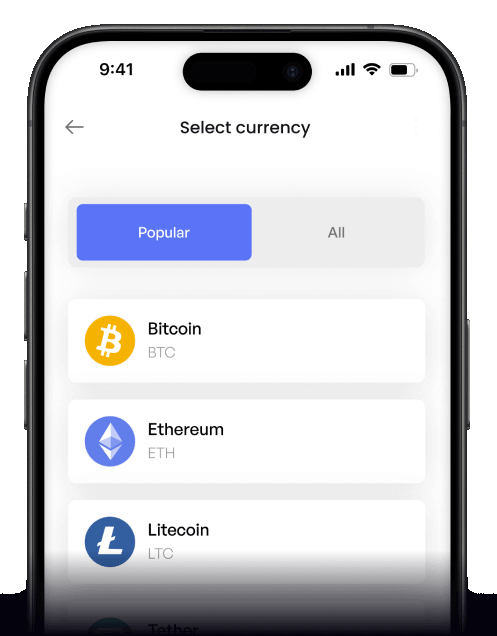
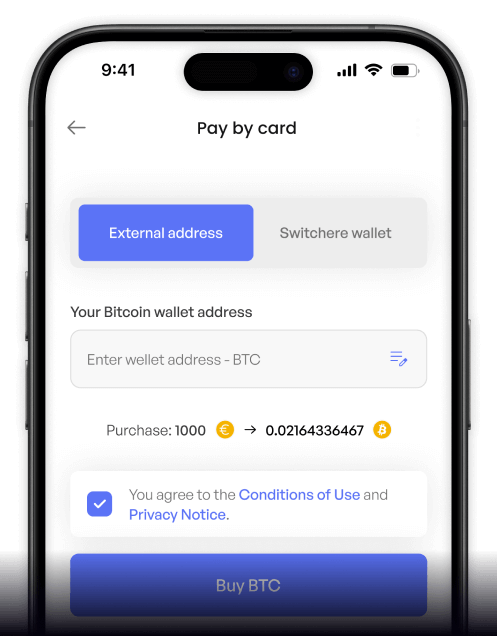
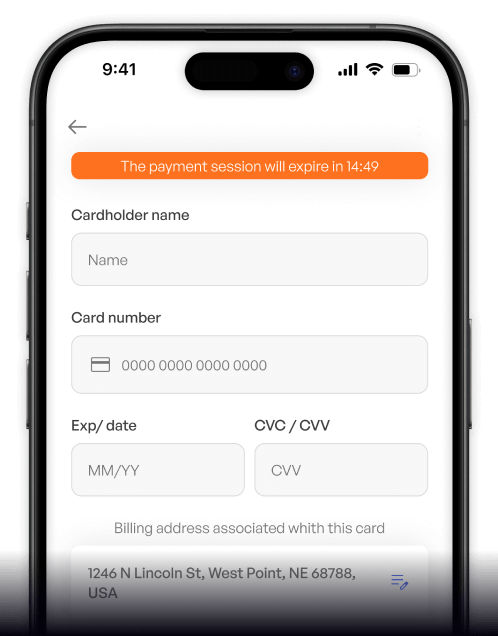
 Step-by-step guidance
 Easy credit card payments
 Streamlined purchase process
 Web
Web
Popular Coins for Indonesian Rupiah (IDR)




Other Coins for Indonesian Rupiah (IDR)







Frequently asked questions
-
What is the IDR/LRC trading pair and its significance for Indonesian users?
The IDR/LRC pair represents the direct exchange rate between the Indonesian Rupiah (IDR) and Loopring (LRC). For Indonesian users, it acts as a crucial fiat on-ramp, allowing them to purchase LRC directly with their local currency. This bypasses the need for intermediate digital assets, providing direct access to Loopring's Layer-2 ecosystem, which is known for its high-throughput, low-cost trading capabilities powered by zkRollups technology. -
What are the common methods to buy LRC with IDR on cryptocurrency exchanges?
To buy LRC with IDR, you typically need to use a regulated Indonesian cryptocurrency exchange. The process involves completing KYC/AML verification, then depositing Indonesian Rupiah via common local payment methods like bank transfers (e.g., BI-FAST) or e-wallets (e.g., OVO, GoPay). Once your IDR is credited, you can place a buy order on the LRC/IDR order book to execute the trade for the digital asset. -
How do Loopring's zkRollups benefit traders who buy LRC?
zkRollups are a Layer-2 scaling solution that bundles hundreds of transactions off-chain and submits a single cryptographic proof to the Ethereum mainnet. For LRC holders, this means they can move their tokens to the Loopring L2 network to engage in non-custodial, high-speed trading on Loopring's DEX with transaction fees that are a fraction of typical Ethereum gas fees. This provides a CEX-like experience in terms of speed and cost, but with the security of a DEX. -
What is the function of the LRC token within the Loopring ecosystem?
The LRC token has several key utilities. Holders can stake LRC to earn a portion of the protocol trading fees collected across all DEXs built on Loopring. Staking LRC or simply holding it can also reduce trading fees on the Loopring exchange. Additionally, the LRC token is intended to play a role in the protocol's governance, allowing holders to participate in decisions about its future development. -
Are there specific security practices to follow when trading IDR for LRC?
Yes. Always use a reputable, regulated Indonesian exchange to ensure compliance and security for your fiat deposits. Enable Two-Factor Authentication (2FA) on your exchange account for an extra layer of protection. For long-term storage, it's highly recommended to withdraw your LRC from the exchange to a personal, non-custodial digital wallet where you control the private keys. This minimizes the risk of loss from exchange-related issues.

Buy on the go
Anywhere. Anytime.
Buy crypto with your credit card from anywhere. Live rates, transparent fees, and 3D Secure on every order - the full Switchere card-buy experience in your pocket.



Scan to download the app iOS and Android

