


- Hjem
- Konverterer
- Indonesian Rupiah (IDR) til Hooked Protocol (HOOK)

Konverter
Indonesian Rupiah (IDR) til Hooked Protocol (HOOK) umiddelbart


Kjøp Hooked Protocol (HOOK) med Indonesian Rupiah (IDR) enkelt hos Switchere og dra nytte av raske, sikre transaksjoner.
Om
Hooked Protocol (HOOK)
Hooked Protocol (HOOK) er en banebrytende Web3-plattform for spillbasert sosial læring, designet for å akselerere masseadopsjon av blokkjedeteknologi. Den fungerer som en viktig inngangsport, med mål om å utdanne og veilede milliarder av brukere fra Web2 inn i det desentraliserte Web3-økosystemet. Protokollen takler den bratte læringskurven som ofte er forbundet med digitale eiendeler ved å integrere spillbaserte læringsopplevelser og belønnet deltakelse gjennom sin innovative Learn-to-Earn-modell. Denne tilnærmingen forvandler utdanning til en engasjerende reise, og gjør komplekse blokkjedekonsepter tilgjengelige for et bredt publikum.
Plattformen er bygget på BNB Chain og benytter en to-token-modell for å drive økosystemet. Det primære brukstokenet er HGT (Hooked Gold Token), som belønner brukere for å fullføre utdanningsoppgaver. HOOK-tokenet fungerer som det sentrale styringstokenet, og gir innehavere stemmerett om protokollens fremtidige retning. Videre brukes HOOK til gassavgifter innenfor applikasjonslagets infrastruktur, for staking for å tjene belønninger, og for å få eksklusiv tilgang til spesielle arrangementer og NFT-er i begrenset opplag. Ved å skape et sømløst og givende inngangspunkt, etablerer Hooked Protocol seg som et grunnleggende Web3-infrastrukturlag med fokus på samfunnsvekst og utdanning.

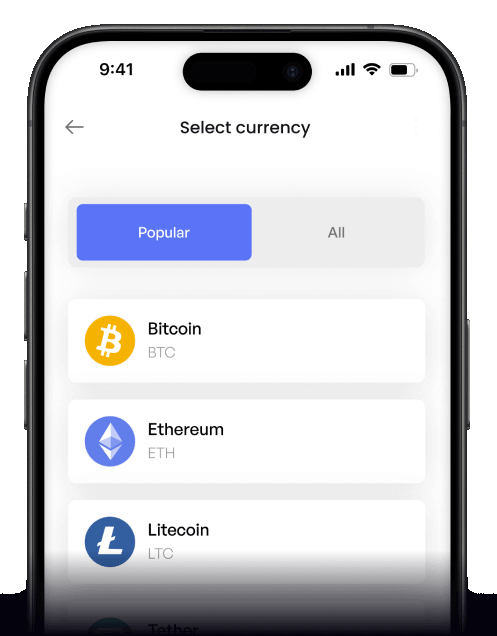
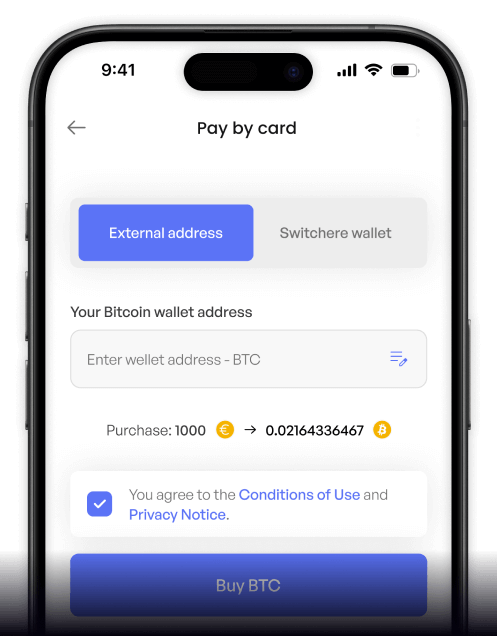
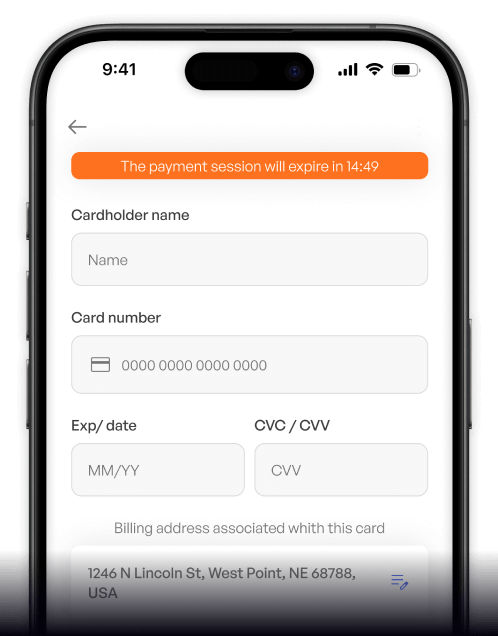
Hvordan kjøpe Hooked Protocol (HOOK)
 Trinn-for-trinn veiledning
 Enkle kredittkortbetalinger
 Strømlinjeformet kjøpsprosess
 Web
Web
Populære mynter for Indonesian Rupiah (IDR)




Andre mynter for Indonesian Rupiah (IDR)








Ofte stilte spørsmål
-
Hva er egentlig handelsparet IDR/HOOK, og hva er dets primære funksjon?
IDR/HOOK-paret representerer en direkte fiat-inngangsport, som lar brukere kjøpe Hooked Protocols opprinnelige token (HOOK) med indonesiske rupier (IDR). Dets primære funksjon er å gi direkte tilgang for det indonesiske markedet til Hooked Protocols spillbaserte Web3-økosystem for sosial læring, noe som muliggjør deltakelse i dets styring og dApp-integrasjoner uten å måtte konvertere IDR til en annen kryptovaluta som BTC eller ETH først. -
Hva er de typiske betalingsmetodene for å kjøpe HOOK med indonesiske rupier på en kryptobørs?
På regulerte indonesiske kryptobørser inkluderer de vanligste metodene for å finansiere en konto med IDR for å kjøpe HOOK direkte bankoverføringer, Virtual Account (VA)-overføringer fra store indonesiske banker, og e-lommebokbetalinger fra tjenester som GoPay, OVO eller DANA. Disse plattformene krever KYC/AML-samsvar før kjøp av digitale eiendeler kan gjennomføres. -
Hvilken rolle spiller HOOK-tokenet i Hooked Protocols 'Learn-to-Earn'-modell?
Mens Hooked Protocol bruker et in-game brukstoken (HGT) for belønninger i sine 'Learn-to-Earn'-aktiviteter, fungerer HOOK-tokenet som styringstokenet. Å eie HOOK gir fellesskapsmedlemmer stemmerett på forslag som former økosystemets fremtid. Det brukes også for tilgang til eksklusive fellesskapsarrangementer og vil være en nøkkelkomponent i den kommende Hooked 2.0 Application Rollup-infrastrukturen, noe som gir det langsiktig nytte utover enkle belønninger. -
Er det spesifikke gebyrer knyttet til blokkjedetransaksjoner fra IDR til HOOK?
Ja, det er flere gebyrer involvert. For det første kan din valgte børs ha et IDR-innskuddsgebyr, spesielt for e-lommebokoverføringer. For det andre er det et handelsgebyr (ofte en prosentandel) når du utfører kjøpsordren for HOOK i ordreboken. Til slutt, hvis du flytter HOOK-tokenene dine fra børsen til en privat digital lommebok, vil du betale et nettverksuttaksgebyr, som bestemmes av blokkjedens nåværende trafikk og børsens retningslinjer. -
Hvordan drar HOOK-tokeneiere nytte av Hooked Protocols infrastruktur, som Application Rollup?
Hooked 2.0 Application Rollup er en Layer-3-løsning designet for å skape et skalerbart økosystem for dApps. For HOOK-eiere er denne infrastrukturen avgjørende, da den tar sikte på å øke plattformens generelle adopsjon og transaksjonsvolum. Et mer aktivt økosystem kan øke etterspørselen etter HOOK for styring og andre plattform-native verktøy, noe som potensielt kan forbedre tokenets rolle og relevans innenfor det bredere Web3-landskapet.

Kjøp på farten
Hvor som helst. Når som helst.
Kjøp krypto med kredittkortet ditt fra hvor som helst. Live-kurser, transparente gebyrer og 3D Secure på hver bestilling - hele Switchere-kortkjøpsopplevelsen i lommen.



Skann for å laste ned appen for iOS og Android

