


Convert
Indonesian Rupiah (IDR) to CTC (CTC) Instantly


Purchase CTC (CTC) with Indonesian Rupiah (IDR) easily at Switchere and benefit from fast, secure transactions.
About
CTC (CTC)
Creditcoin (CTC) is a foundational blockchain technology designed to address a critical gap in the global financial system: the lack of a universal, transparent credit history. Its primary objective is to create a decentralized network for a borderless credit market, specifically targeting the unbanked and underbanked populations. By recording loan performance on a public digital ledger, Creditcoin provides a mechanism for individuals and businesses to build a verifiable, on-chain credit history. This digital asset aims to bridge the divide between traditional finance and DeFi applications, fostering greater financial inclusion by making credit more accessible and transparent across the globe through its innovative Web3 infrastructure.
The core of the Creditcoin protocol involves linking real-world, off-chain loan agreements to its immutable blockchain. This process creates objective proof of creditworthiness that is not controlled by any single entity. The native utility token, CTC, is integral to the ecosystem's operation. It is used to pay for transaction fees required to record credit transactions, such as loan requests and repayments, on the chain. Furthermore, CTC can be utilized for staking to enhance the cryptographic security of the network. This unique approach to integrating real-world assets (RWA) in the form of private credit establishes a foundational layer for on-chain reputation and new financial products.

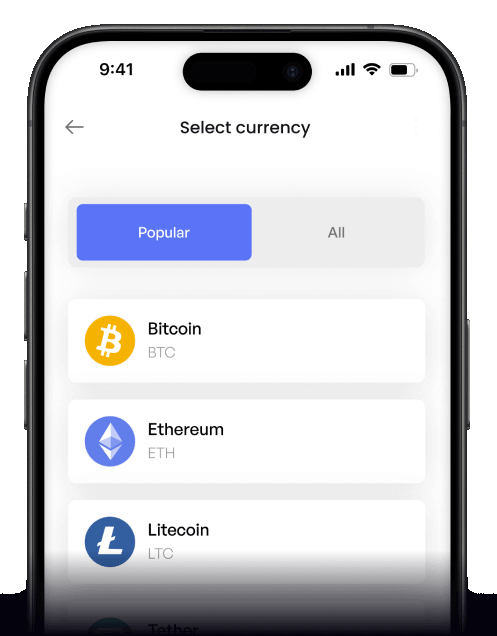
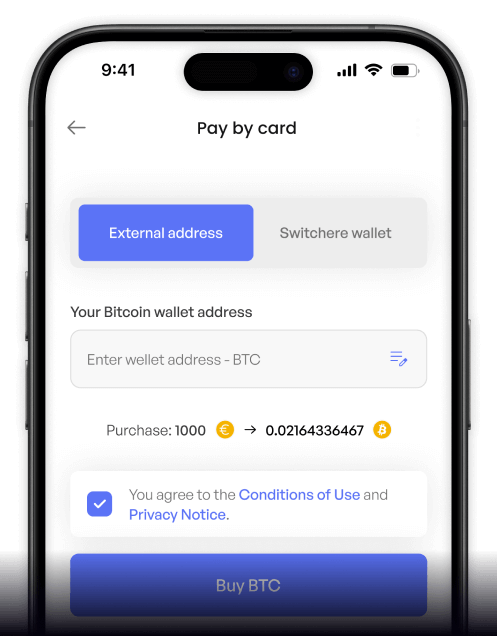
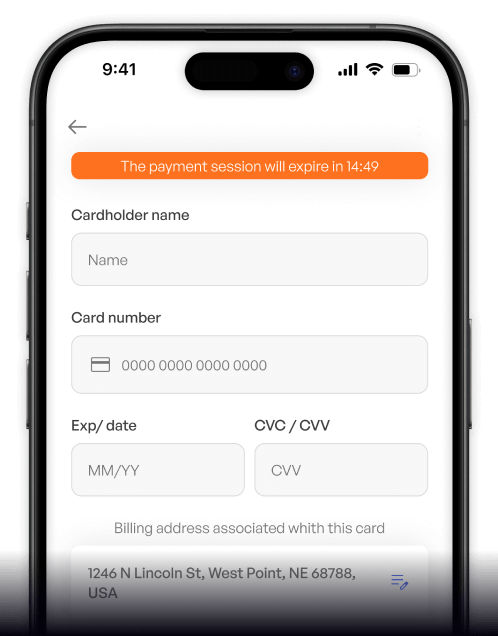
How to Buy CTC (CTC)
 Step-by-step guidance
 Easy credit card payments
 Streamlined purchase process
 Web
Web
Popular Coins for Indonesian Rupiah (IDR)




Other Coins for Indonesian Rupiah (IDR)








Frequently asked questions
-
What is the IDR/CTC trading pair and what does it represent?
The IDR/CTC pair represents the exchange rate between the Indonesian Rupiah (IDR) and Creditcoin (CTC). It allows users to perform a blockchain transaction to purchase CTC, the native token of the Creditcoin network, directly using the IDR fiat currency. This serves as a vital fiat on-ramp for Indonesian users seeking access to the Creditcoin ecosystem, which focuses on bringing Real World Assets (RWA) and unrecorded credit history onto the blockchain. -
What are the common methods to buy Creditcoin (CTC) with Indonesian Rupiah (IDR)?
To buy CTC with IDR, you typically need to use a cryptocurrency exchange that is regulated by Indonesia's BAPPEBTI and lists the CTC token. The process involves funding your exchange account with IDR via local payment methods like bank transfers, or popular e-wallets such as OVO, GoPay, or Dana. After completing the mandatory KYC/AML verification, you can place an order on the IDR/CTC order book to acquire the digital asset. -
What makes the Creditcoin (CTC) blockchain suitable for Real World Assets (RWA)?
Creditcoin is specifically engineered to bridge off-chain and on-chain worlds, making it ideal for RWA. Its Proof-of-Stake, EVM-compatible infrastructure allows it to record credit-related transactions, such as loan performance, creating a transparent and immutable credit history for unrecorded assets. This functionality, powered by partners like Gluwa and governed by the Gateway DAO, provides the verifiable data layer needed to bring assets like emerging market loans onto the blockchain. -
What is the role of staking CTC after an IDR to CTC conversion?
After converting your Indonesian Rupiah to Creditcoin, staking your CTC tokens is crucial for network security and governance. As a Proof-of-Stake (PoS) blockchain, staking CTC helps validate transactions and secure the network, for which stakers earn rewards. Furthermore, staked CTC provides you with voting power in the platform's governance, allowing you to influence key decisions about the Creditcoin 2.0+ protocol's future development. -
Are there specific fees to consider when trading the IDR/CTC pair?
Yes, several fees are involved. First, there may be a deposit fee when you fund your account with Indonesian Rupiah (IDR), depending on the payment method. Second, the cryptocurrency exchange will charge a trading fee (either a maker or taker fee) when you execute the IDR to CTC trade. Finally, if you decide to move your CTC to a personal digital wallet, you will incur a network withdrawal fee. Always review the fee schedule of your chosen platform before initiating any secure trading.

Buy on the go
Anywhere. Anytime.
Buy crypto with your credit card from anywhere. Live rates, transparent fees, and 3D Secure on every order - the full Switchere card-buy experience in your pocket.



Scan to download the app iOS and Android

