


Convert
Euro (EUR) to Cartesi (CTSI) Instantly


Purchase Cartesi (CTSI) with Euro (EUR) easily at Switchere and benefit from fast, secure transactions.
About
Cartesi (CTSI)
Cartesi (CTSI) is a Layer-2 infrastructure platform designed to resolve the critical issue of computational scalability and high costs on blockchain networks. Often referred to as "The Blockchain OS," its primary objective is to enable decentralized applications (dApps) with complexities that rival their centralized Web2 counterparts. Cartesi achieves this by allowing developers to build smart contracts and dApps within a full Linux operating system environment, utilizing mainstream programming languages and software stacks. This approach significantly lowers the barrier to entry for developers transitioning from Web2 to Web3, fostering a richer and more powerful dApp ecosystem built on robust blockchain technology.
The core of the platform is the Cartesi Machine (CM), a deterministic virtual machine that executes intensive computations off-chain. By leveraging Optimistic Rollups, Cartesi can process these complex calculations externally while anchoring the results with cryptographic security on the underlying Layer-1 blockchain, such as Ethereum. This hybrid model provides the immense computational power of off-chain processing with the verifiable trust of an on-chain digital ledger. The native utility token, CTSI, is integral to the network's tokenomics. It is used for staking within Cartesi's Noether Proof-of-Stake (PoS) sidechain, where node runners help secure the network and earn rewards. CTSI also functions as the payment method for computation and data availability services within the ecosystem.

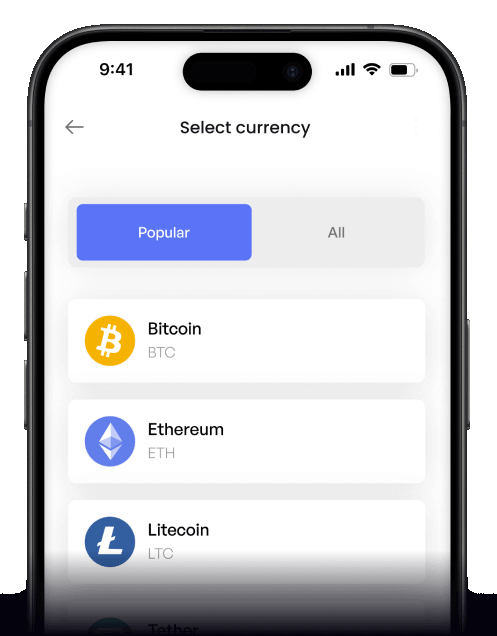
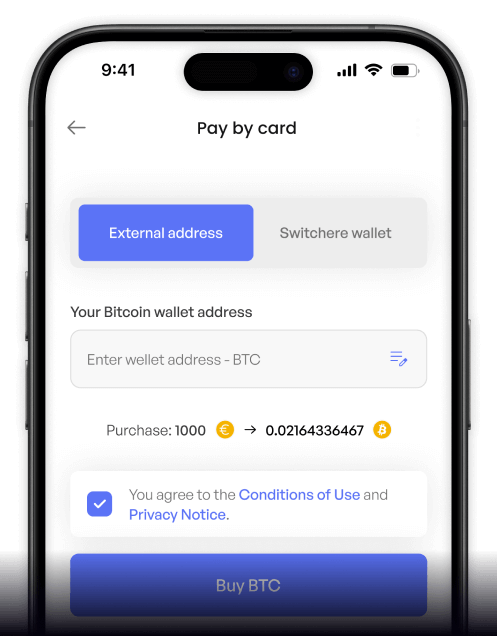
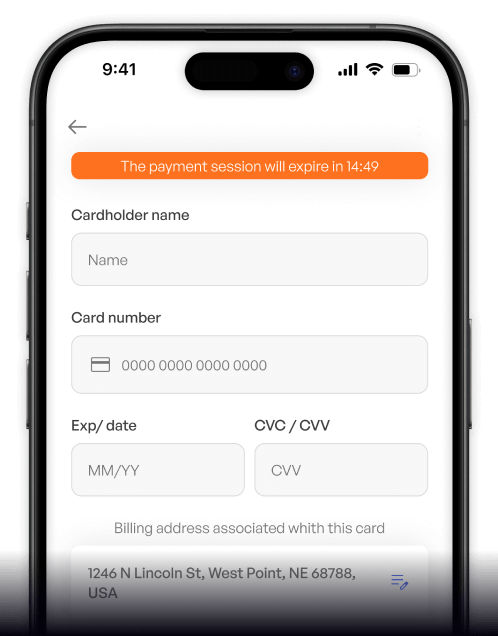
How to Buy Cartesi (CTSI)
 Step-by-step guidance
 Easy credit card payments
 Streamlined purchase process
 Web
Web
Popular Coins for Euro (EUR)





Other Coins for Euro (EUR)










Frequently asked questions
-
What is the most common way to buy Cartesi (CTSI) with Euros (EUR)?
The most common method is through a centralized cryptocurrency exchange that serves the Eurozone. Users typically complete a KYC/AML verification, deposit EUR via a SEPA transfer or credit/debit card, and then use the EUR/CTSI trading pair to purchase the digital asset. This process serves as a direct fiat on-ramp into the Cartesi ecosystem. -
What makes the EUR/CTSI pair significant for developers?
This pair provides a direct fiat gateway for developers in the Eurozone to acquire CTSI. This is crucial as CTSI is used within the Cartesi ecosystem to pay for transaction fees for complex computations on its Linux-based virtual machine. It allows developers to easily fund their dApp development and leverage Cartesi's unique Layer-2 solution for dApp scalability without intermediate crypto swaps. -
Are there specific security practices for managing CTSI after a EUR purchase?
Absolutely. After your EUR to CTSI transaction, it's highly recommended to move your digital assets from the exchange to a personal, non-custodial digital wallet where you control the private keys. This secures your holdings against exchange-specific risks. For active participation, such as staking CTSI on the Noether PoS side-chain, ensure you use official portals and understand the delegation process to further secure your investment while supporting the network. -
What fees are associated with EUR to CTSI purchases via SEPA transfer?
When using a SEPA transfer to deposit Euros onto an exchange, the deposit fee is often very low or even free, making it a cost-effective fiat on-ramp. However, you will still encounter a trading fee (a small percentage of the trade value) when you execute the EUR/CTSI order. Finally, when you withdraw your CTSI to an external digital wallet, a blockchain network fee will apply, which is standard for any crypto transaction. -
How does Cartesi's use of Optimistic Rollups benefit a CTSI holder?
Optimistic Rollups are a core component of Cartesi's Layer-2 solution. For a CTSI holder, this technology means the network can achieve high throughput and low costs for complex computations, increasing the utility and demand for the Cartesi Machine. This enhances dApp scalability, which can attract more developers and projects to the ecosystem, potentially increasing the fundamental value and use-cases for the CTSI token, which is used to power these operations.

Buy on the go
Anywhere. Anytime.
Buy crypto with your credit card from anywhere. Live rates, transparent fees, and 3D Secure on every order - the full Switchere card-buy experience in your pocket.



Scan to download the app iOS and Android

