


Convert
Euro (EUR) to Balancer (BAL) Instantly


Purchase Balancer (BAL) with Euro (EUR) easily at Switchere and benefit from fast, secure transactions.
About
Balancer (BAL)
Balancer (BAL) is a core piece of decentralized finance (DeFi) infrastructure, functioning as a highly flexible automated market maker (AMM) and liquidity protocol. Unlike traditional AMMs that often require 50/50 asset pairs, Balancer's key innovation is its use of customizable, multi-token liquidity pools, also known as smart pools. This allows anyone to create self-balancing portfolios or decentralized index funds where assets are held in specific, weighted proportions. This design not only provides deep, programmable liquidity for traders but also creates arbitrage opportunities that drive the pools back to their intended weighting, effectively automating portfolio management for liquidity providers on its decentralized network.
The protocol's evolution to Balancer V2 introduced a groundbreaking single Vault architecture. This design separates the AMM logic from the token management and accounting, massively improving gas efficiency and capital efficiency. All trades within the Balancer ecosystem are routed through this single Vault, enabling complex multi-hop trades to be executed with significantly lower transaction costs. The native digital asset of the protocol, BAL, serves as a critical governance token. Holders of the BAL utility token can participate in on-chain governance, voting on protocol upgrades, fee changes, and directing the allocation of liquidity mining rewards, thereby shaping the future of this essential Web3 infrastructure.

How to Buy Balancer (BAL)
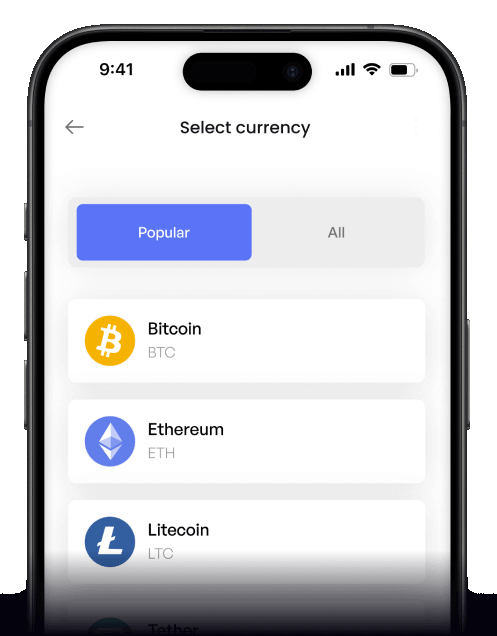
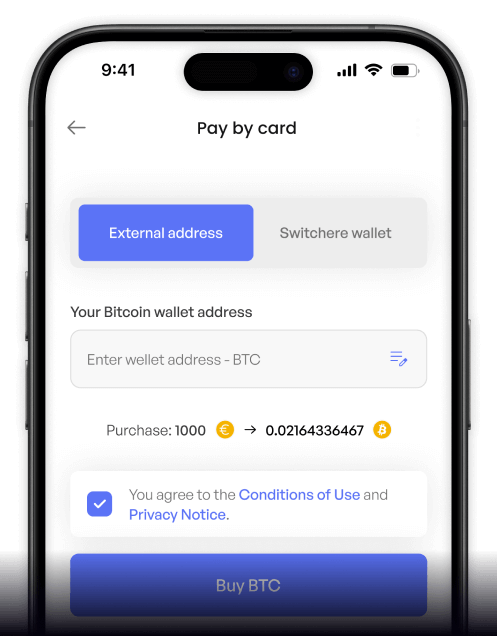
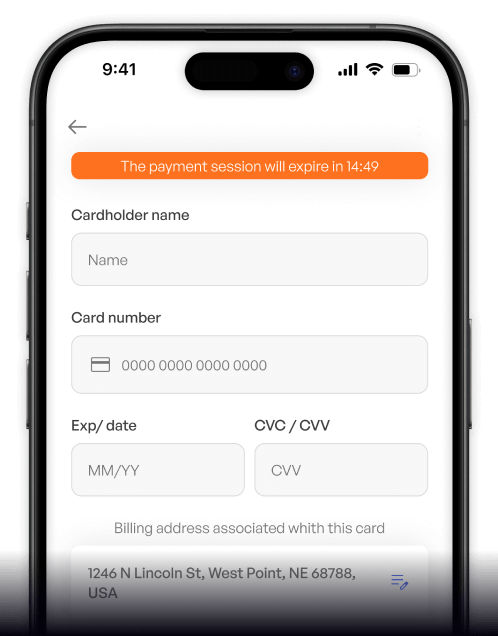
 Step-by-step guidance
 Easy credit card payments
 Streamlined purchase process
 Web
Web
Popular Coins for Euro (EUR)





Other Coins for Euro (EUR)









Frequently asked questions
-
What is the EUR/BAL pair and how does it function as a fiat on-ramp?
The EUR/BAL pair represents a direct trading route to purchase Balancer's native governance token (BAL) using Euros (EUR). It functions as a crucial fiat on-ramp, allowing users in the Eurozone to acquire this key digital asset through a cryptocurrency exchange. This process involves depositing EUR, often via a SEPA transfer, and executing a trade on the exchange's order book to convert your fiat currency directly into BAL, granting you access to the Balancer Protocol ecosystem. -
What are the primary use cases for BAL tokens acquired with Euros?
Once you convert EUR to BAL, the tokens serve multiple functions within the Balancer ecosystem. Primarily, BAL is a governance token; by locking it to receive veBAL (vote-escrowed BAL), holders can vote on protocol proposals. Additionally, BAL holders can provide liquidity to Balancer's multi-token weighted pools or other liquidity pools, earning a share of the swapping fees generated by this advanced Automated Market Maker (AMM). This makes it a key component for DeFi portfolio management. -
What are the common payment methods for buying BAL with EUR on European exchanges?
For users in the Eurozone, the most common and cost-effective payment method for a digital asset purchase like BAL is a SEPA (Single Euro Payments Area) transfer. Most regulated European cryptocurrency exchanges support SEPA for deposits. Other available options often include debit/credit card purchases, which are faster but typically incur higher fees, and sometimes third-party payment providers like iDEAL or Sofort, depending on the exchange and your specific location. -
How does Balancer's Vault architecture secure my BAL tokens after a EUR purchase?
After purchasing BAL on a centralized exchange with EUR and transferring it to a self-custody digital wallet, the security of your assets within the Balancer Protocol is enhanced by its unique Vault architecture. The Balancer Vault separates token accounting and management from the pool logic. This means that swaps are executed against the central Vault, minimizing the smart contract surface area for potential exploits and ensuring that the underlying assets in all liquidity pools are managed more securely. -
Are there KYC/AML requirements when using the EUR to BAL fiat gateway?
Yes, virtually all cryptocurrency exchanges that offer a EUR/BAL trading pair and operate within the Eurozone are required to comply with strict KYC (Know Your Customer) and AML (Anti-Money Laundering) regulations. This means users must verify their identity by submitting personal information and official documents before they can deposit Euros via methods like SEPA and begin trading digital assets. This compliance is essential for secure trading and preventing illicit financial activities.

Buy on the go
Anywhere. Anytime.
Buy crypto with your credit card from anywhere. Live rates, transparent fees, and 3D Secure on every order - the full Switchere card-buy experience in your pocket.



Scan to download the app iOS and Android

