


Convert
Euro (EUR) to USDC (ARB) Instantly


Purchase USDC (ARB) with Euro (EUR) easily at Switchere and benefit from fast, secure transactions.
About
USDC (ARB)
USD Coin (USDC) on Arbitrum represents a crucial piece of Web3 infrastructure, functioning as a fiat-collateralized stablecoin specifically bridged to this prominent Layer 2 scaling solution. Issued by Circle and governed by the Centre consortium, each USDC token is designed to maintain a 1:1 peg with the U.S. Dollar, backed by fully reserved assets. Its presence on the Arbitrum One network directly addresses the scalability challenges of the Ethereum mainnet, such as high gas fees and slower transaction speeds. By leveraging Arbitrum's optimistic rollup technology, USDC transactions become significantly faster and more cost-effective, enhancing its utility as a digital asset for everyday commerce and DeFi applications.
Within the burgeoning Arbitrum ecosystem, USDC serves as a foundational digital asset and a primary medium of exchange. It is extensively used as collateral in lending and borrowing protocols, provides liquidity in decentralized exchanges (DEXs), and acts as a stable unit of account for yield farming and other DeFi strategies. The ability to move this stable value efficiently across a high-throughput blockchain makes it indispensable for users interacting with dApps on the network. This version of USDC is essential for anyone seeking to participate in Arbitrum's DeFi landscape while avoiding the volatility of other cryptographic assets and the high transaction costs of the Ethereum base layer.

How to Buy USDC (ARB)
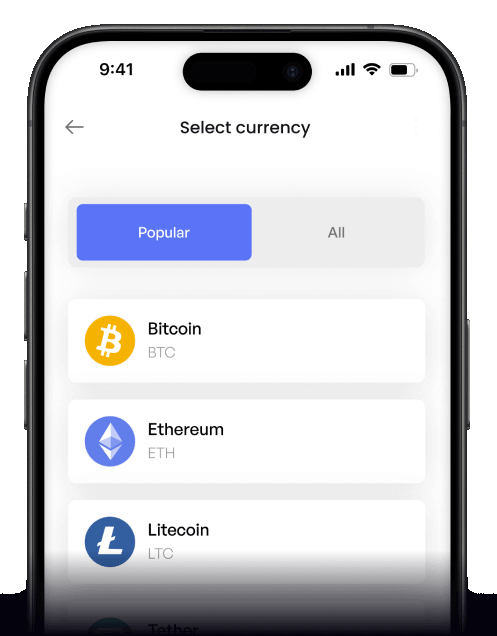
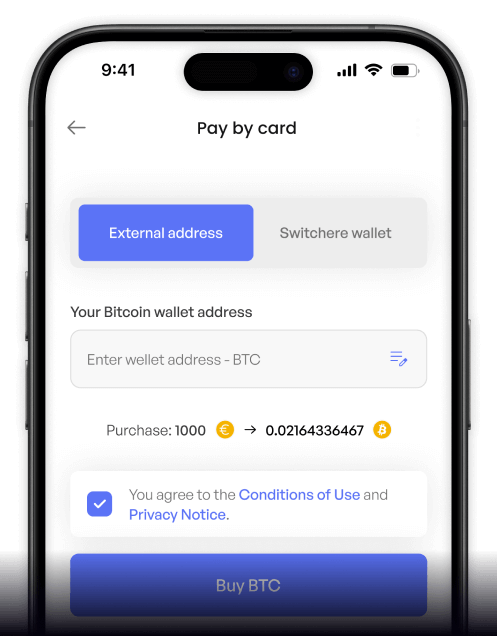
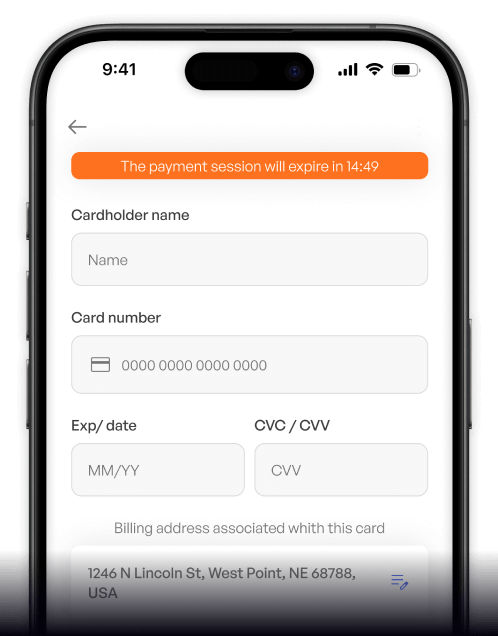
 Step-by-step guidance
 Easy credit card payments
 Streamlined purchase process
 Web
Web
Popular Coins for Euro (EUR)




Other Coins for Euro (EUR)




Frequently asked questions
-
What is the primary method to buy USDC on Arbitrum (USDC.e) with Euros (EUR)?
The most common method is using a centralized cryptocurrency exchange that acts as a fiat on-ramp. Users typically deposit Euros via a SEPA transfer, which is common in the Eurozone, or by using a debit/credit card. After completing KYC/AML compliance, you can trade EUR for USDC and then withdraw the stablecoin directly to your digital wallet on the Arbitrum One network, ensuring you select the correct Layer 2 network for the transaction. -
What are the advantages of holding USDC on the Arbitrum network versus Ethereum Mainnet?
The primary benefits are significantly lower transaction fees and faster confirmation times. As an EVM-compatible Layer 2 scaling solution, Arbitrum processes transactions off-chain, reducing congestion on Ethereum Mainnet. This makes interacting with DeFi protocols and dApps using your USDC far more cost-effective and efficient, as the 'gas fees' are typically a fraction of what you would pay on Layer 1. -
Is Circle's USDC on Arbitrum different from other bridged versions of USDC?
Yes, there is a key distinction. The official version, often just called 'USDC' on block explorers, is natively issued by Circle on Arbitrum. Other versions, often labeled 'USDC.e', are tokens that have been moved from the Ethereum network via the Arbitrum Bridge. While both aim to hold a peg to the US dollar, the native Circle USDC is generally preferred for its direct backing and can offer better liquidity and interoperability within the Arbitrum DeFi ecosystem. -
What are the typical fees involved when converting EUR to Arbitrum USDC?
There are several potential fees: 1) A deposit fee for your EUR, although SEPA transfers are often free or low-cost. 2) A trading fee on the cryptocurrency exchange, which can be a small percentage of the transaction value. 3) A withdrawal fee charged by the exchange to send the USDC to your external wallet. 4) The network transaction fee (gas) on Arbitrum One, which is a significant advantage as it is typically very low, often just a few cents. -
How can I ensure the secure storage of my Arbitrum USDC after purchase?
For secure self-custody, withdraw your USDC from the exchange to a non-custodial digital wallet that supports the Arbitrum One network. Popular choices include MetaMask or Trust Wallet. It is critical to securely back up your wallet's seed phrase or private keys and never share them. Leaving large amounts of digital assets on an exchange exposes you to counterparty risk, whereas self-custody gives you full control over your funds.

Buy on the go
Anywhere. Anytime.
Buy crypto with your credit card from anywhere. Live rates, transparent fees, and 3D Secure on every order - the full Switchere card-buy experience in your pocket.



Scan to download the app iOS and Android

