


Convert
Swiss Franc (CHF) to THORChain (RUNE) Instantly


Purchase THORChain (RUNE) with Swiss Franc (CHF) easily at Switchere and benefit from fast, secure transactions.
About
THORChain (RUNE)
THORChain (RUNE) is a decentralized liquidity protocol built to facilitate cross-chain swaps of native digital assets in a permissionless, non-custodial manner. Operating as an independent Layer-1 blockchain using the Cosmos SDK and Tendermint consensus mechanism, it enables users to exchange cryptocurrencies like native Bitcoin for native Ethereum without relying on wrapped tokens or centralized intermediaries. This is a crucial piece of Web3 infrastructure designed to solve the problem of fragmented liquidity across disparate blockchain ecosystems. The network's architecture is centered around Continuous Liquidity Pools (CLPs), where liquidity providers deposit assets alongside the native utility token, RUNE.
The RUNE token is integral to the protocol's tokenomics and security. It serves four key functions: acting as the base pairing asset in all liquidity pools, providing the economic bond for node operators to ensure network security (a form of Sybil resistance), functioning as the settlement currency for all swaps, and being used for on-chain governance. This design creates a deterministic value for RUNE based on the total liquidity locked in the network. By connecting chains through its Bifrost Protocol, THORChain stands as a fundamental pillar for seamless interoperability and native asset settlement within the broader DeFi applications landscape.

How to Buy THORChain (RUNE)
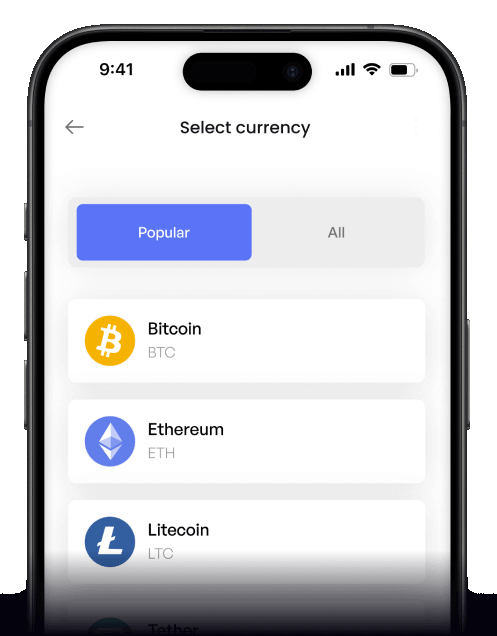
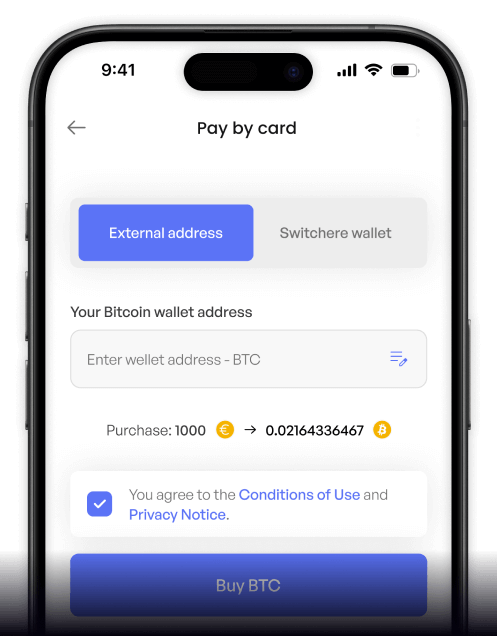
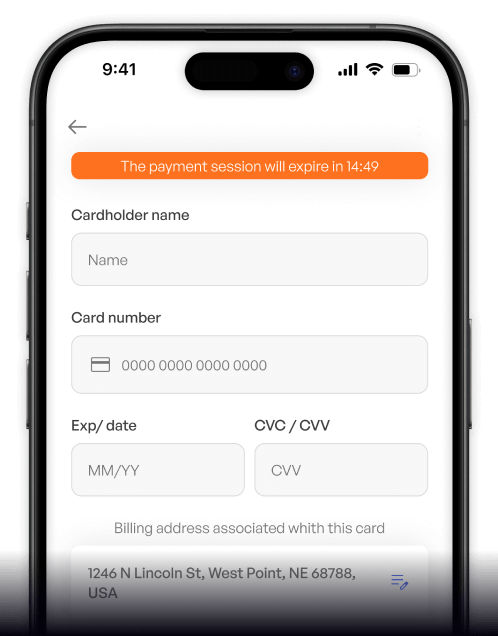
 Step-by-step guidance
 Easy credit card payments
 Streamlined purchase process
 Web
Web
Popular Coins for Swiss Franc (CHF)




Other Coins for Swiss Franc (CHF)








Frequently asked questions
-
What is the most effective method to buy THORChain (RUNE) with Swiss Francs (CHF)?
The most common method is to use a regulated cryptocurrency exchange that serves as a fiat on-ramp for CHF. You would typically deposit Swiss Francs via a SEPA or Swiss bank transfer. While some platforms may offer a direct CHF/RUNE trading pair, it's more common to first buy a major digital asset like Bitcoin (BTC) or Ethereum (ETH) and then trade it for RUNE. After the digital asset purchase, it's a security best practice to transfer your RUNE to a personal, non-custodial digital wallet. -
Why is the CHF/RUNE pair important for users targeting cross-chain liquidity?
Acquiring RUNE with a stable fiat currency like CHF is a direct entry point into THORChain's unique ecosystem. THORChain is a decentralized exchange (DEX) protocol designed for swapping native assets across different blockchains without wrapping them. By holding RUNE, you can participate in its cross-chain liquidity pools, contribute to the security of the network via THORNodes, and facilitate trades between assets like native Bitcoin and native Ethereum, a key differentiator from most other DEXs. -
Can I use a decentralized exchange (DEX) for a direct CHF to RUNE swap?
Direct fiat-to-crypto swaps on DEXs are currently not common due to regulatory complexities. The standard procedure involves using a centralized exchange as a fiat on-ramp to convert your CHF into cryptocurrency. Once you have a digital asset, you can then move it to a non-custodial wallet and use THORChain's native interface, like THORSwap or Asgardex, to access its decentralized, cross-chain liquidity and swap for RUNE or other native assets. -
What are the typical fees associated with a CHF to RUNE transaction?
You'll encounter two main fee types. First, the fiat on-ramp or exchange will charge fees for the CHF deposit and the trade itself (e.g., a maker/taker fee on the order book). Second, when you interact with the THORChain protocol, it has a unique fee model. Swap fees are slip-based and dynamic, paid by traders to liquidity providers. Unlike blockchains like Ethereum, there isn't a separate 'gas' fee paid to validators; network security costs are covered by protocol revenue, making the Bifrost Protocol efficient for cross-chain transactions. -
How does THORChain's technology handle swaps differently from other DEXs?
The fundamental difference lies in its ability to swap native assets. Most DEXs operate on a single blockchain (e.g., Ethereum) and can only trade tokens native to that chain or 'wrapped' versions of assets from other chains. THORChain, through its network of THORNodes and the Bifrost Protocol, facilitates swaps of actual, unwrapped assets across disparate blockchains. This means you can trade native BTC directly for native ETH without relying on a centralized intermediary or wrapped tokens, which introduces additional smart contract risk.

Buy on the go
Anywhere. Anytime.
Buy crypto with your credit card from anywhere. Live rates, transparent fees, and 3D Secure on every order - the full Switchere card-buy experience in your pocket.



Scan to download the app iOS and Android

