


Convert
Swiss Franc (CHF) to SushiSwap (SUSHI) Instantly


Purchase SushiSwap (SUSHI) with Swiss Franc (CHF) easily at Switchere and benefit from fast, secure transactions.
About
SushiSwap (SUSHI)
SushiSwap (SUSHI) is a prominent decentralized exchange (DEX) and automated market maker (AMM) operating across numerous blockchain networks. Initially conceived as a community-driven fork, SushiSwap aims to provide a comprehensive suite of DeFi applications by leveraging smart contracts to facilitate peer-to-peer trading of digital assets without intermediaries. Its core technology enables users to create or contribute to liquidity pools, earning rewards for providing capital, which in turn supports efficient token swaps and price discovery. This decentralized network architecture ensures cryptographic security and transparent on-chain operations for all participants.
The native SUSHI token is central to the platform's tokenomics, functioning as both a utility token and a governance token. Holders can stake SUSHI (often as xSUSHI) to receive a portion of the trading fees generated by the protocol, aligning user incentives with platform success. Furthermore, SUSHI holders participate in governance, voting on proposals that direct the platform's development and treasury management. SushiSwap has expanded beyond basic swaps to include products like Kashi for lending and borrowing, and MISO, an IDO launchpad, enhancing its Web3 infrastructure offerings. Its multi-chain presence solidifies its role as a key player providing diverse financial instruments within the decentralized finance ecosystem.

How to Buy SushiSwap (SUSHI)
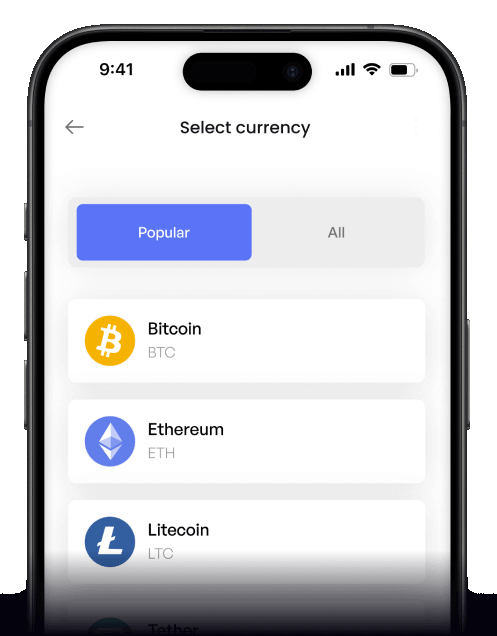
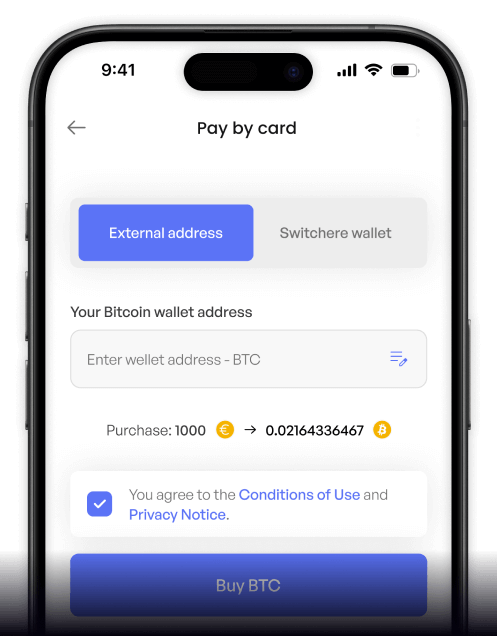
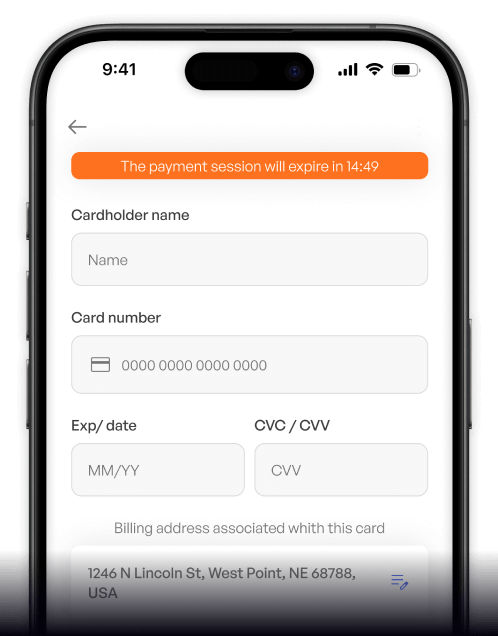
 Step-by-step guidance
 Easy credit card payments
 Streamlined purchase process
 Web
Web
Popular Coins for Swiss Franc (CHF)





Other Coins for Swiss Franc (CHF)





Frequently asked questions
-
What does the CHF/SUSHI trading pair represent in the digital asset market?
The CHF/SUSHI pair represents a direct fiat-to-crypto gateway, allowing users to purchase SushiSwap's native governance token, SUSHI, using Swiss Francs (CHF). This is crucial for users who want to engage with the SushiSwap automated market maker (AMM) for yield farming, staking in liquidity pools, or participating in the platform's governance without first converting CHF to another cryptocurrency. It signifies the exchange rate between a stable fiat currency and a key DeFi token. -
What are the common methods to buy SUSHI tokens with Swiss Francs?
To purchase SUSHI with CHF, the most direct route is through a centralized cryptocurrency exchange (CEX) that lists the CHF/SUSHI pair. Users typically need to complete KYC/AML compliance, then fund their account via a Swiss bank transfer. If a direct pair isn't available, an alternative is to deposit CHF, purchase a major cryptocurrency like Ethereum (ETH) or a stablecoin, and then trade that asset for SUSHI on the same CEX or a decentralized exchange (DEX) like SushiSwap itself. -
What utility does holding the SUSHI token offer after a CHF transaction?
After acquiring SUSHI with CHF, the token provides several key utilities within the SushiSwap ecosystem. Primarily, it's a governance token, granting holders voting rights on proposals that shape the protocol's future. Additionally, users can stake their SUSHI tokens to receive xSUSHI, which earns them a portion of the trading fees generated by the decentralized exchange. This creates a direct incentive for long-term holding and participation in the platform's multi-chain DeFi services. -
What types of fees are associated with purchasing SUSHI through a CHF fiat on-ramp?
When using a CHF fiat on-ramp to buy SUSHI, several fees may apply. These can include a deposit fee for the Swiss Franc transfer, a trading fee on the cryptocurrency exchange (often a percentage of the transaction value), and a spread on the CHF/SUSHI order book. If you later move your SUSHI to a self-custody wallet, you'll also incur a network withdrawal fee from the exchange, plus Ethereum gas fees for any on-chain transactions, such as staking on the SushiSwap protocol itself. -
How can I securely store my SUSHI tokens after a fiat on-ramp purchase?
For optimal security after purchasing SUSHI, it's highly recommended to move your digital assets from the exchange to a personal, self-custody wallet. Options include software wallets (like MetaMask) for ease of use in interacting with DeFi protocols, or hardware wallets (like Ledger or Trezor) for the highest level of security via cold storage. Always secure your wallet's private keys or seed phrase offline and never share them. This practice protects your SUSHI from exchange-specific risks like hacks or freezes.

Buy on the go
Anywhere. Anytime.
Buy crypto with your credit card from anywhere. Live rates, transparent fees, and 3D Secure on every order - the full Switchere card-buy experience in your pocket.



Scan to download the app iOS and Android

