


Convert
Swiss Franc (CHF) to Reserve Rights (RSR) Instantly


Purchase Reserve Rights (RSR) with Swiss Franc (CHF) easily at Switchere and benefit from fast, secure transactions.
About
Reserve Rights (RSR)
Reserve Rights (RSR) is the volatile utility and governance token of the Reserve Protocol, a decentralized network designed to combat the effects of currency devaluation and hyperinflation. The protocol's primary mission is to provide access to a stable, asset-backed digital currency as a reliable alternative to volatile fiat currencies. This is achieved through a sophisticated dual-token model, where the Reserve Protocol enables the creation of various stablecoins, known as RTokens, each backed by a distinct basket of tokenized assets held and managed by smart contracts on the blockchain.
The core of this Web3 infrastructure relies on a system of over-collateralization to ensure stability. RTokens are designed to maintain their peg through a process of arbitrage, where market participants can redeem RTokens for the underlying collateral or mint them by depositing the required assets. The RSR token plays a crucial role in this system's cryptographic security. Its primary function is to insure RTokens against collateral default. This unique recapitalization mechanism provides a robust backstop for the stablecoins built on the protocol, enhancing the integrity of the digital ledger.
As a utility token, RSR has two main functions. Firstly, RSR holders can stake their tokens on specific RTokens to earn a portion of the revenue generated by that stablecoin's collateral. Secondly, and most critically, in the event of a collateral asset failure, the staked RSR is seized and sold to restore the RToken's peg, making its holders whole. This staking and insurance model, combined with RSR's use in on-chain governance for protocol upgrades, makes it an essential component for the long-term health and decentralization of the Reserve DeFi ecosystem.

How to Buy Reserve Rights (RSR)
 Step-by-step guidance
 Easy credit card payments
 Streamlined purchase process
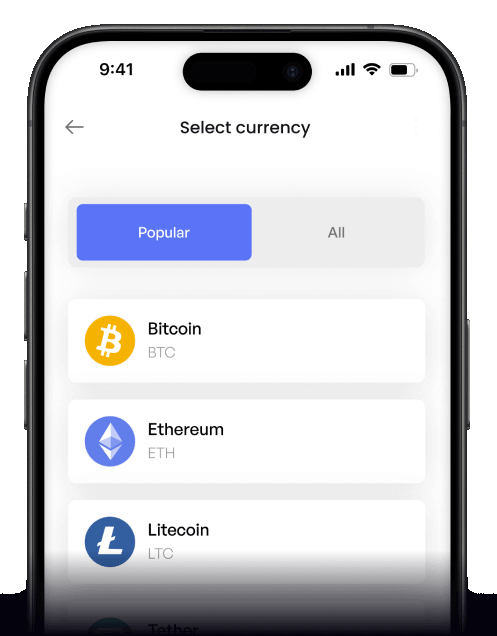
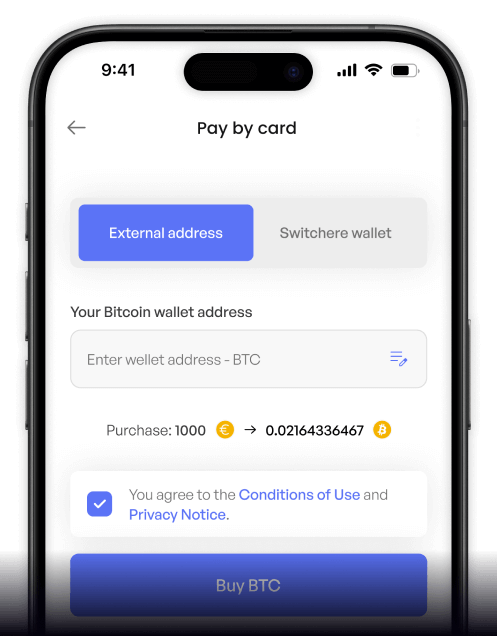
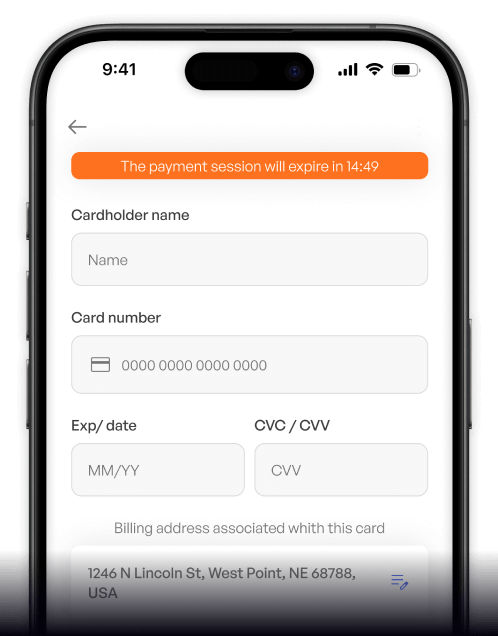
 Web
Web
Popular Coins for Swiss Franc (CHF)





Other Coins for Swiss Franc (CHF)










Frequently asked questions
-
What are the common methods to buy Reserve Rights (RSR) with Swiss Francs (CHF)?
To purchase Reserve Rights (RSR) with CHF, the most common method is through a centralized cryptocurrency exchange that supports CHF deposits. Users typically complete KYC/AML compliance, then fund their account via a Swiss bank transfer or SEPA payment. Once the fiat on-ramp is complete, you can trade the CHF for RSR on the available spot market. -
What is the core function of the RSR token within the Reserve Protocol?
The RSR token serves a critical dual function in the Reserve Protocol: governance and insurance. As a governance token, RSR holders can vote on proposals. As an insurance mechanism, RSR is staked to back the protocol's stablecoins. If collateral assets default, RSR can be sold to recapitalize the system, thus playing a key role in the platform's dual-token stability model. -
What should I consider regarding liquidity when trading the CHF/RSR pair?
The CHF/RSR trading pair may have lower liquidity compared to major pairs like USD/RSR or EUR/RSR. This means you should check the order book depth and recent trading volume. Lower liquidity can lead to higher slippage, which is the difference between the expected price of a trade and the price at which it is executed. For larger orders, consider breaking them into smaller parts. -
Once I buy RSR with CHF, how can I securely store this digital asset?
For optimal security, it's recommended to move your RSR tokens from the exchange to a personal digital wallet where you control the private keys. Since RSR is an ERC-20 token, it is compatible with any Ethereum-based wallet. For long-term holding, a hardware wallet (cold storage) offers the highest level of security against online threats. For smaller, more accessible amounts, a reputable software wallet can be used. -
Are there opportunities for staking RSR after acquiring it?
Yes, staking is a core feature of the Reserve Rights token. RSR holders can stake their tokens on the Reserve Protocol. This process acts as a form of protocol insurance, where stakers earn rewards from a portion of the revenue generated by the protocol's stablecoins. However, it's important to understand that in a collateral default scenario, the staked RSR could be sold to cover losses, presenting a risk alongside the potential yield.

Buy on the go
Anywhere. Anytime.
Buy crypto with your credit card from anywhere. Live rates, transparent fees, and 3D Secure on every order - the full Switchere card-buy experience in your pocket.



Scan to download the app iOS and Android

