


Convert
Azerbaijan Manat (AZN) to QTUM (QTUM) Instantly


Purchase QTUM (QTUM) with Azerbaijan Manat (AZN) easily at Switchere and benefit from fast, secure transactions.
About
QTUM (QTUM)
Qtum (QTUM) is an innovative hybrid blockchain platform that uniquely combines the security of Bitcoin's Unspent Transaction Output (UTXO) model with the smart contract capabilities of the Ethereum Virtual Machine (EVM). This fusion is achieved through its groundbreaking Account Abstraction Layer (AAL), which allows for the seamless interaction between these two distinct blockchain architectures. As a decentralized network, Qtum provides a stable, secure, and flexible environment for developers to build decentralized applications (dApps) and for businesses to deploy enterprise-level blockchain solutions. The platform operates on a Proof-of-Stake (PoS) consensus mechanism, enabling energy-efficient block validation and allowing token holders to participate in network security by staking their QTUM.
The native utility token, QTUM, is integral to the ecosystem's functionality. It is used to pay for transaction fees and smart contract execution, similar to gas on Ethereum. Furthermore, the digital asset serves as a governance token through Qtum's Decentralized Governance Protocol (DGP). This on-chain governance system allows stakeholders to vote on key network parameters, such as block size and gas fees, fostering a truly decentralized and adaptable Web3 infrastructure. Its mobile-first design and commitment to interoperability position Qtum as a significant platform for real-world DeFi applications and business use cases.

How to Buy QTUM (QTUM)
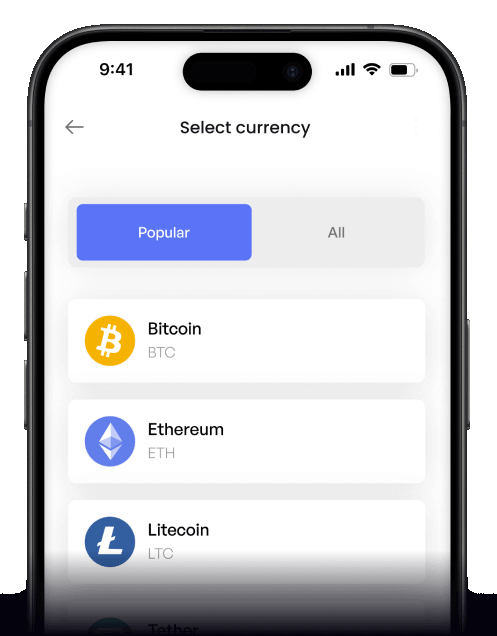
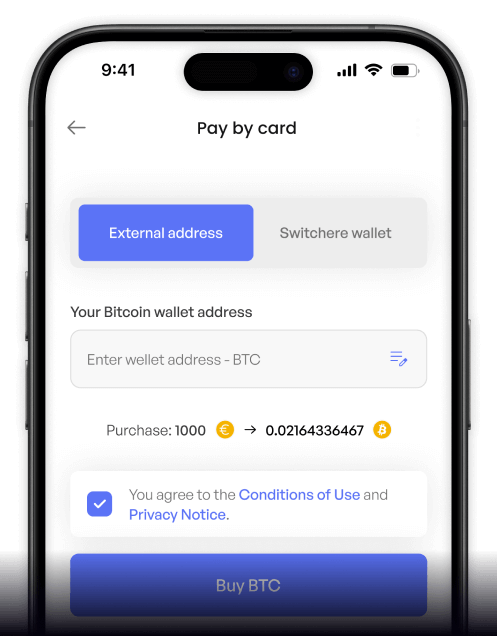
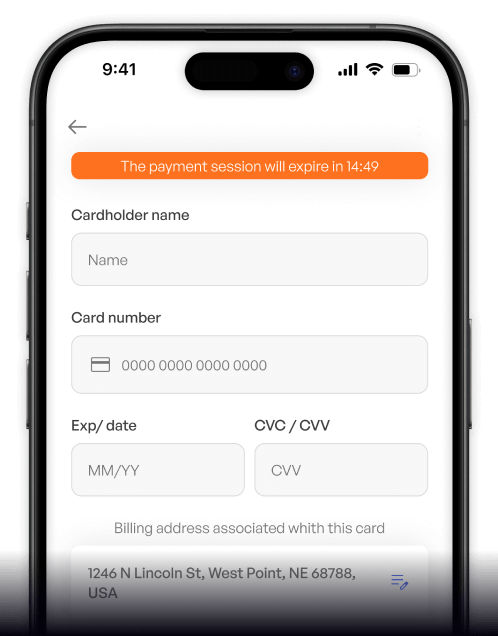
 Step-by-step guidance
 Easy credit card payments
 Streamlined purchase process
 Web
Web
Popular Coins for Azerbaijan Manat (AZN)




Other Coins for Azerbaijan Manat (AZN)









Frequently asked questions
-
What exactly is the AZN/QTUM trading pair and what does it represent?
The AZN/QTUM pair represents the exchange rate between the Azerbaijani Manat (AZN) and the Qtum (QTUM) digital asset. It allows you to use a fiat currency, AZN, to purchase QTUM on a cryptocurrency exchange. Qtum is a unique Proof-of-Stake (PoS) blockchain that merges Bitcoin's secure UTXO model with the Ethereum Virtual Machine (EVM) for smart contract functionality, creating a robust platform for decentralized applications. -
What are common methods for completing a fiat on-ramp from AZN to QTUM?
To convert AZN to QTUM, you'll typically use a cryptocurrency exchange that supports Azerbaijani Manat deposits. The process usually involves a bank transfer from an Azerbaijani bank account to the exchange. After your AZN balance is credited, you can place an order on the AZN/QTUM order book. Some P2P platforms might also offer this pairing, connecting buyers and sellers directly. Always ensure the platform follows strict KYC/AML compliance for secure trading. -
What is Qtum's Account Abstraction Layer (AAL) and why is it significant?
Qtum's Account Abstraction Layer (AAL) is the core technology that connects the Bitcoin-like UTXO base layer with its EVM-compatible smart contract layer. This allows developers to build and run decentralized applications (dApps) from Ethereum on the more secure and robust UTXO model. For users, it means that while the underlying blockchain transaction is highly secure, they can still interact with complex smart contracts and QRC-20 tokens seamlessly. -
How does Qtum's Proof-of-Stake (PoS) consensus affect holding the asset?
Qtum's Proof-of-Stake (PoS) consensus mechanism allows anyone holding QTUM in a supported digital wallet (like the Qtum Core wallet) to participate in network validation and earn block rewards through a process called staking. Unlike Proof-of-Work, this is energy-efficient. For an owner, staking QTUM not only helps secure the network but also provides a passive return on their digital asset holdings, making it more than just a speculative instrument. -
What is the Decentralized Governance Protocol (DGP) on the Qtum blockchain?
The Decentralized Governance Protocol (DGP) is a system built into the Qtum blockchain that allows key network parameters, such as block size and gas fees, to be modified without requiring a hard fork. QTUM holders can vote on proposed changes, giving the community direct control over the protocol's evolution. This ensures the blockchain can adapt and upgrade efficiently, a key feature for long-term viability and a significant consideration for anyone investing in the digital asset.

Buy on the go
Anywhere. Anytime.
Buy crypto with your credit card from anywhere. Live rates, transparent fees, and 3D Secure on every order - the full Switchere card-buy experience in your pocket.



Scan to download the app iOS and Android

