Convert
Azerbaijan Manat (AZN) to Kusama (KSM) Instantly
Purchase Kusama (KSM) with Azerbaijan Manat (AZN) easily at Switchere and benefit from fast, secure transactions.
About
Kusama (KSM)
Kusama (KSM) is a public pre-production environment and "canary network" for Polkadot, offering a live, multichain network for radical innovation. Built with the Substrate framework, it shares a similar codebase to Polkadot but with faster governance and more lenient parameters, creating a perfect proving ground for new blockchain technology. Developers can test decentralized applications, forkless upgrades, and novel on-chain governance models under real economic conditions before deploying to Polkadot. Unlike a testnet, Kusama is an independent, decentralized network with its own native utility token, KSM, making it a key platform for early-stage Web3 infrastructure projects seeking to iterate quickly and experiment with bleeding-edge features in a high-stakes environment.
The network's architecture features a central Relay Chain providing shared security and interoperability to connected, application-specific blockchains called parachains. This heterogeneous sharding design is secured by a Nominated Proof-of-Stake (NPoS) consensus mechanism, allowing KSM holders to participate as validators or nominators. The KSM token is central to the ecosystem's tokenomics. Its primary utility lies in bonding for parachain slot auctions, where projects lock up KSM to secure a spot on the network. It's also used for staking to secure the digital ledger and as a governance token, giving holders voting rights on network referenda, thereby shaping the protocol’s evolution.
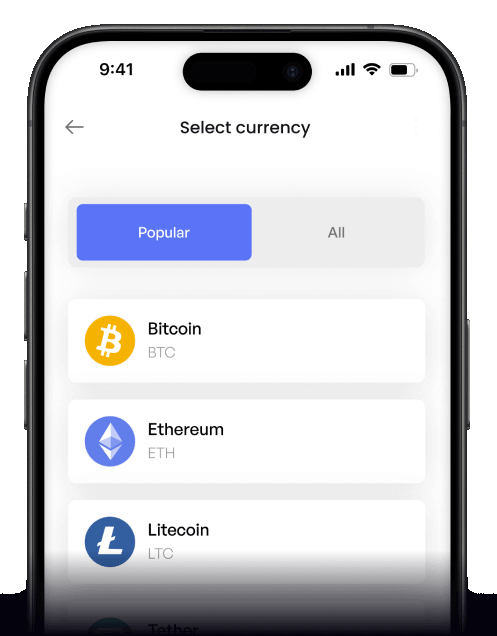
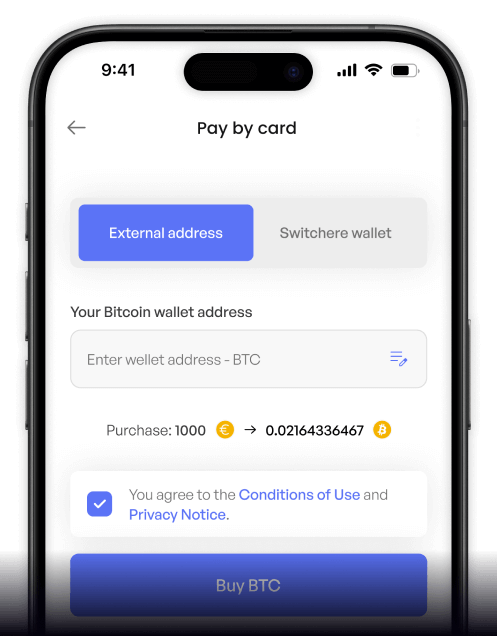
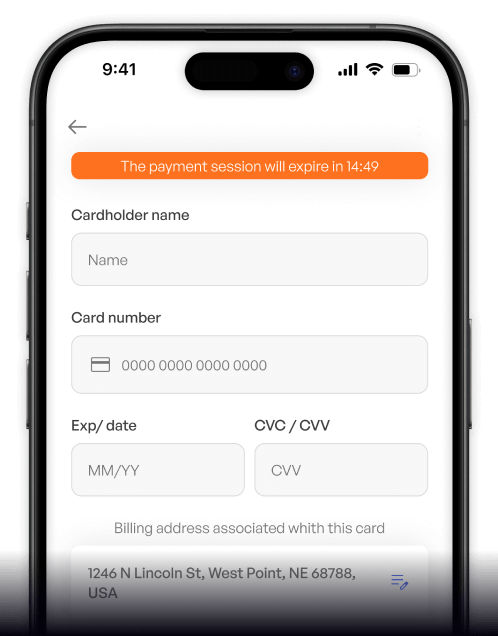
How to Buy Kusama (KSM)
Popular Coins for Azerbaijan Manat (AZN)
Other Coins for Azerbaijan Manat (AZN)
Frequently asked questions
-
What does the AZN/KSM trading pair represent in the digital asset market?
The AZN/KSM pair represents a direct fiat-to-crypto exchange rate between the Azerbaijan Manat (AZN) and Kusama (KSM). Kusama is a public pre-production environment for Polkadot, often called its 'canary network.' It allows developers to test new parachains and experiment with on-chain governance in a real economic environment before deploying on Polkadot, using the Substrate framework. -
What is the typical process for purchasing KSM with Azerbaijan Manat?
Since direct AZN/KSM trading pairs are uncommon, the standard method involves a two-step process. First, use a local fiat on-ramp or a P2P exchange that accepts AZN bank transfers to buy a major cryptocurrency like USDT or BTC. Second, transfer that digital asset to a global cryptocurrency exchange with high liquidity for KSM pairs, and execute the trade. This process requires KYC/AML compliance on both platforms. -
What is the primary utility of the KSM token within its ecosystem?
The KSM token is integral to the Kusama network's functionality. Its main utilities include: 1) Governance, where token holders can vote on network upgrades. 2) Staking, participating in the Nominated Proof-of-Stake (NPoS) consensus to secure the relay chain. 3) Bonding, where teams lock up KSM to lease a parachain slot via auctions or to deploy a parathread. 4) Paying for transaction fees on the network. -
How does Kusama's Nominated Proof-of-Stake (NPoS) differ from traditional Proof-of-Stake?
Kusama's NPoS is a more advanced consensus mechanism. Unlike some PoS systems where the richest stakeholders have more power, NPoS separates the roles of validators (who run nodes) and nominators (who stake their KSM to back validators). This system encourages decentralization by allowing nominators to back multiple validators and uses a specific algorithm to distribute stake more evenly, thereby enhancing the security and democratic nature of the relay chain. -
What are crowdloans and parachain auctions on Kusama?
Parachain auctions are how projects compete for a limited slot on Kusama's relay chain. To win, projects need to bond a significant amount of KSM. Crowdloans are a mechanism that allows these projects to source KSM from the community. Supporters temporarily lock their KSM in a decentralized vault to help a project win an auction, and in return, they typically receive the project's native tokens. The original KSM is returned after the parachain lease period ends.