Convert
AZN to LPT Instantly
Azerbaijan Manat to Livepeer (ERC20) at the real-time exchange rate


Purchase LPT (ERC20) with Azerbaijan Manat (AZN) easily at Switchere and benefit from fast, secure transactions.
About
LPT (ERC20)
Monitoring the LPT to AZN rate is essential for users in Azerbaijan looking to participate in decentralized video streaming. The exchange rate on an AZN to LPT converter fluctuates based on Livepeer's market liquidity, token volatility, and the global strength of the Azerbaijani Manat. As an Ethereum-based ERC-20 token, LPT network fees also impact the final conversion value when executing trades.
To buy Livepeer with AZN, users typically utilize a reliable fiat on-ramp supporting local payment methods. Common options for funding accounts include bank card transactions and direct bank transfers from Azerbaijani financial institutions, subject to standard KYC/AML verification. This ensures a secure gateway from local fiat currency into the decentralized Web3 infrastructure.
Once the conversion is complete, withdrawing LPT requires an Ethereum-compatible wallet address. Users must account for blockchain confirmation times and Ethereum network congestion, which dictates the transaction speed. This AZN-LPT pair primarily serves Azerbaijani content creators, node operators, and digital asset enthusiasts seeking direct access to Livepeer's open video infrastructure without needing intermediate fiat conversions.

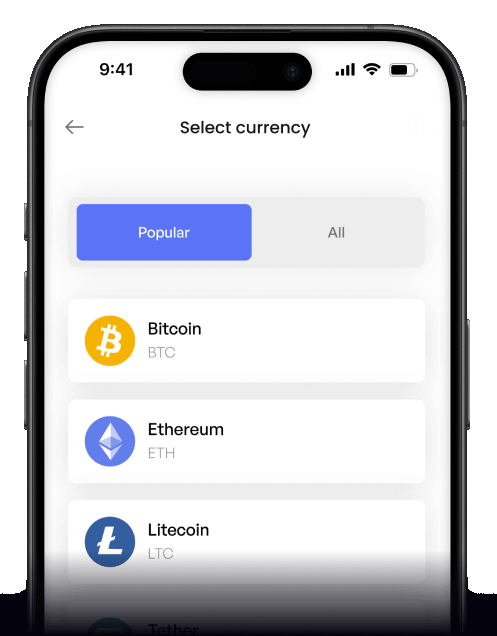
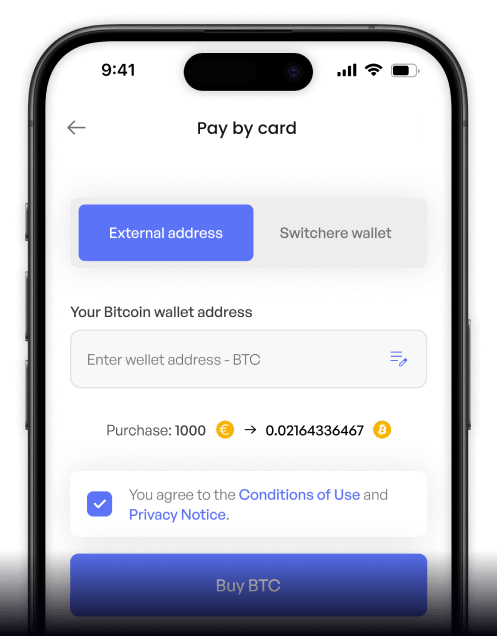
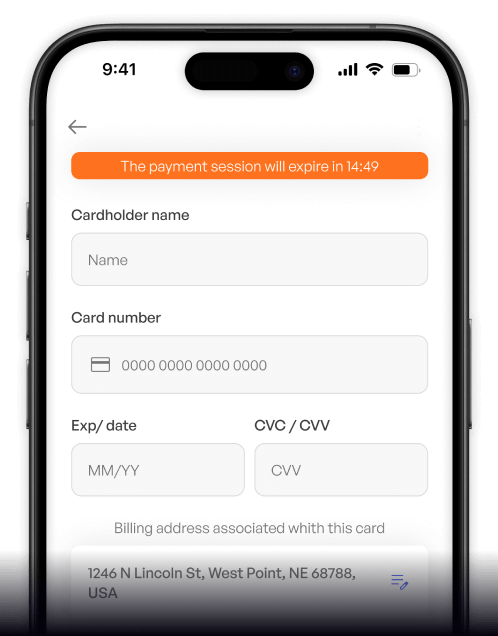
How to Buy LPT (ERC20)
 Step-by-step guidance
 Easy credit card payments
 Streamlined purchase process
 Web
Popular Coins for Azerbaijan Manat (AZN)


Other Coins for Azerbaijan Manat (AZN)


Frequently asked questions
-
What are the common methods to buy Livepeer (LPT) with Azerbaijani Manat (AZN)?
Direct AZN/LPT trading pairs are uncommon. The typical process involves using a fiat on-ramp exchange that accepts AZN bank transfers or local payment methods to first buy a major cryptocurrency like Bitcoin (BTC) or a stablecoin (e.g., USDT). Afterwards, you can use that digital asset on a cryptocurrency exchange that lists LPT to trade for it. Peer-to-peer (P2P) platforms may also offer a route, but always verify the seller's reputation and use escrow services. -
What is the core function of Livepeer (LPT) in the Web3 media infrastructure?
Livepeer is a decentralized video transcoding network built on the Ethereum blockchain. Its core function is to provide a more affordable and censorship-resistant infrastructure for video streaming. The LPT token is used to secure the network through staking. Token holders, or 'Delegators', stake their LPT with node operators, known as 'Orchestrators', who perform the video transcoding work and earn fees in ETH and LPT. -
Since LPT is an ERC-20 token, what fee considerations are there when transacting from an exchange?
As an ERC-20 token, all on-chain transactions with LPT, including withdrawals from an exchange to a private digital wallet, require Ethereum gas fees. These fees, paid in ETH and measured in Gwei, can fluctuate based on network congestion. Before withdrawing your LPT, it's wise to check a gas fee tracker. Some exchanges may also charge their own fixed withdrawal fee on top of the network gas cost. -
How can I participate in the Livepeer network by staking LPT after acquiring it?
To participate, you act as a 'Delegator'. You can stake your LPT tokens by bonding them to an 'Orchestrator' of your choice through a compatible digital wallet and the Livepeer Explorer dApp. By delegating your stake, you help secure the network and in return, you earn a portion of the ETH and LPT fees generated by that Orchestrator for their video transcoding work. This is a non-custodial process, meaning you retain ownership of your LPT. -
What are the security best practices for storing Livepeer (LPT) tokens?
The most secure method for storing your LPT digital asset is a hardware wallet, which keeps your private keys offline. If using a software wallet, ensure it's from a reputable developer and enable all security features like two-factor authentication (2FA). Always back up your seed phrase offline in multiple secure locations. Be vigilant against phishing scams and never share your private keys or seed phrase with anyone. Avoid storing large amounts on a centralized cryptocurrency exchange long-term.

Buy on the go
Anywhere. Anytime.
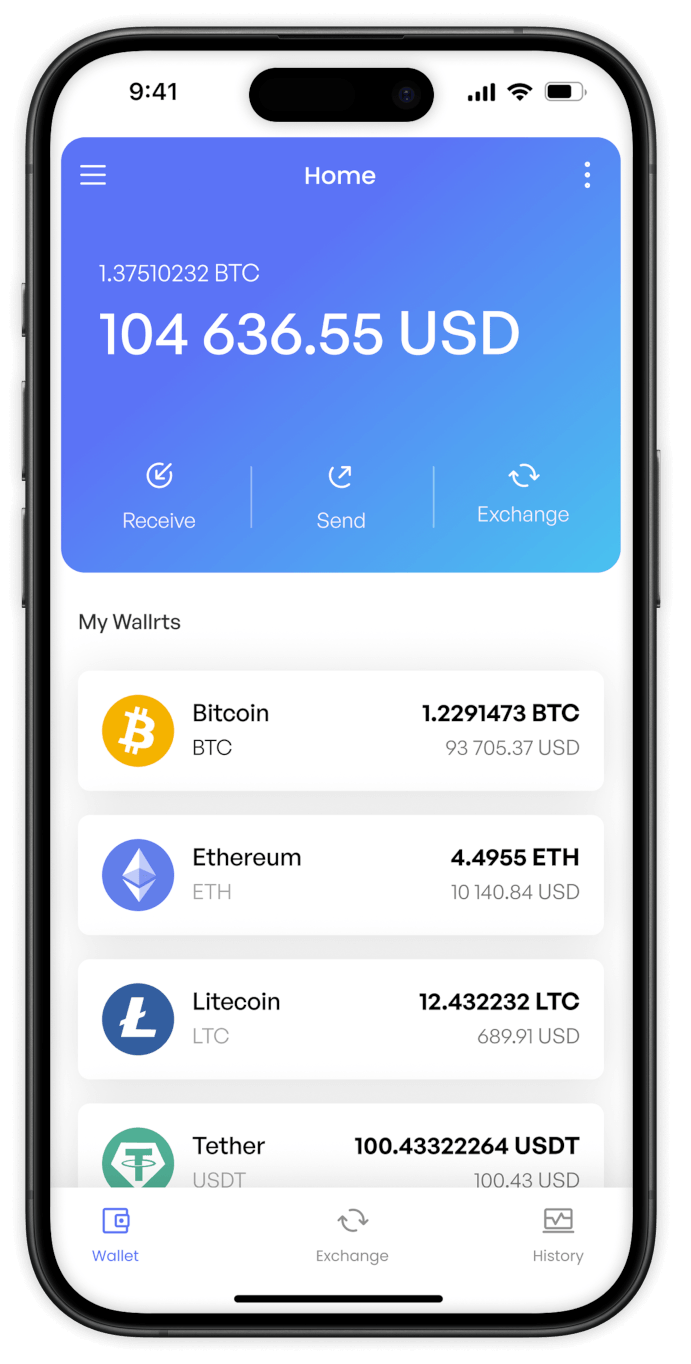
Buy crypto with your credit card from anywhere. Live rates, transparent fees, and 3D Secure on every order - the full Switchere card-buy experience in your pocket.



Scan to download the app iOS and Android