


- Startpagina
- Omvormer
- Azerbaijan Manat (AZN) naar Balancer (BAL)

Converteer
Azerbaijan Manat (AZN) naar Balancer (BAL) direct


Koop Balancer (BAL) met Azerbaijan Manat (AZN) gemakkelijk bij Switchere en profiteer van snelle, veilige transacties.
Over
Balancer (BAL)
Balancer (BAL) is een kernonderdeel van de gedecentraliseerde financiële (DeFi) infrastructuur en functioneert als een zeer flexibele automated market maker (AMM) en liquiditeitsprotocol. In tegenstelling tot traditionele AMM's die vaak 50/50-activaparen vereisen, is de belangrijkste innovatie van Balancer het gebruik van aanpasbare, multi-token liquiditeitspools, ook wel bekend als smart pools. Dit stelt iedereen in staat om zelfbalancerende portefeuilles of gedecentraliseerde indexfondsen te creëren waarin activa in specifieke, gewogen verhoudingen worden aangehouden. Dit ontwerp biedt niet alleen diepe, programmeerbare liquiditeit voor handelaren, maar creëert ook arbitragemogelijkheden die de pools terugbrengen naar hun beoogde weging, waardoor portefeuillebeheer voor liquiditeitsverschaffers op zijn gedecentraliseerde netwerk effectief wordt geautomatiseerd.
De evolutie van het protocol naar Balancer V2 introduceerde een baanbrekende enkele Vault-architectuur. Dit ontwerp scheidt de AMM-logica van het tokenbeheer en de boekhouding, wat de gas- en kapitaalefficiëntie enorm verbetert. Alle transacties binnen het Balancer-ecosysteem worden via deze ene Vault gerouteerd, waardoor complexe multi-hop transacties kunnen worden uitgevoerd tegen aanzienlijk lagere transactiekosten. Het native digitale activum van het protocol, BAL, dient als een cruciaal governance-token. Houders van de BAL-utility-token kunnen deelnemen aan on-chain governance, stemmen over protocolupgrades, vergoedingswijzigingen en de toewijzing van liquiditeitsmijnbeloningen sturen, en zo de toekomst van deze essentiële Web3-infrastructuur vormgeven.

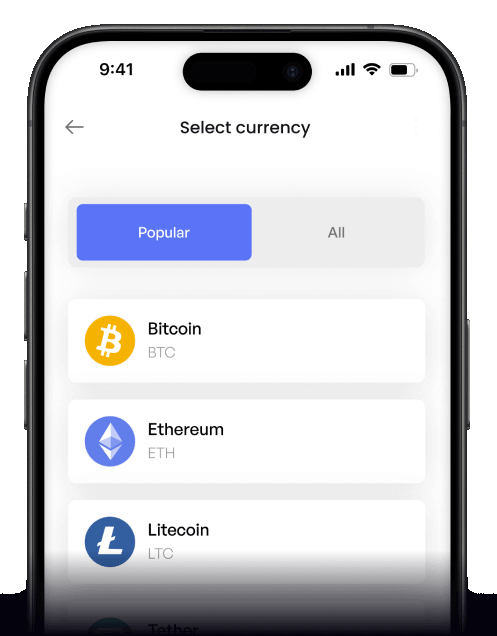
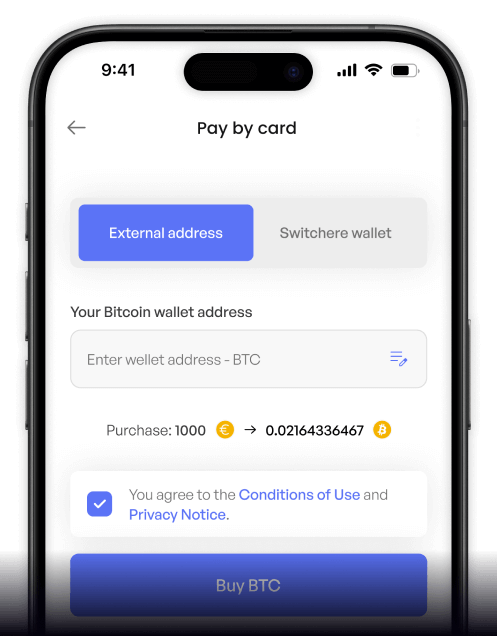
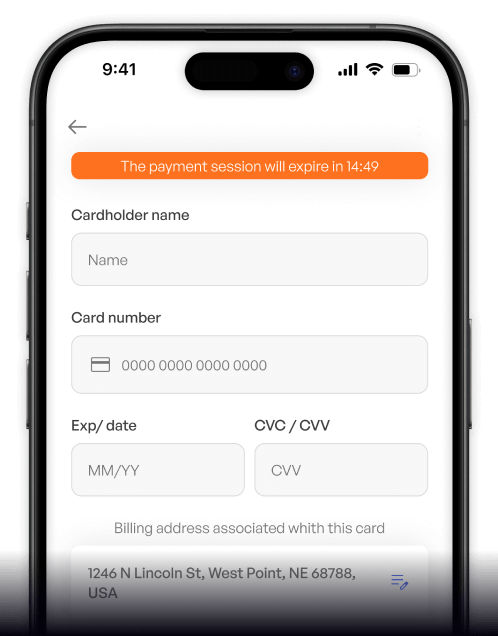
Hoe Balancer (BAL) kopen
 Stapsgewijze begeleiding
 Eenvoudige creditcardbetalingen
 Gestroomlijnd aankoopproces
 Web
Web
Populaire munten voor Azerbaijan Manat (AZN)





Andere munten voor Azerbaijan Manat (AZN)









Veelgestelde vragen
-
Wat is de primaire methode om Balancer (BAL) te kopen met de Azerbeidzjaanse Manat (AZN)?
Een direct AZN/BAL-handelspaar is zeldzaam. Het typische proces omvat het gebruik van een cryptocurrency-exchange die AZN accepteert als een fiat on-ramp. Gebruikers kopen eerst een grote cryptocurrency zoals USDT of BTC via een AZN-bankoverschrijving of kaartbetaling, en verhandelen dat activum vervolgens voor BAL op de spotmarkt van de exchange. Deze tweestapsmethode geeft toegang tot de governance-token van het Balancer Protocol. -
Wat is de functie van de BAL-token binnen het Balancer Automated Market Maker (AMM) ecosysteem?
BAL is de primaire governance-token voor het Balancer Protocol. Houders kunnen stemmen op voorstellen die de toekomst van het DeFi-protocol bepalen, zoals protocolkosten, ondersteunde liquiditeitspools en de functionaliteit van de unieke Vault-architectuur. Het wordt ook gedistribueerd aan liquiditeitsverschaffers (LP's) als een stimulans, om hen te belonen voor het bijdragen van activa aan de gewogen pools van Balancer en het verbeteren van yield farming-mogelijkheden. -
Zijn er specifieke KYC/AML-nalevingsvereisten voor het gebruik van AZN om BAL te verwerven?
Ja. Elke gecentraliseerde cryptocurrency-exchange die een AZN fiat on-ramp faciliteert, vereist verplichte Know Your Customer (KYC) en Anti-Money Laundering (AML) verificatie. Dit omvat doorgaans het indienen van een door de overheid uitgegeven identiteitsbewijs en een bewijs van adres. Deze nalevingsprocedures zijn standaard voor veilige handelsplatforms om illegale activiteiten te voorkomen bij het omzetten van fiatvaluta naar een digitaal activum. -
Wat zijn de voordelen van blootstelling aan Balancer via een AZN on-ramp?
Het gebruik van een AZN on-ramp biedt een direct toegangspunt van de lokale Azerbeidzjaanse economie tot een geavanceerd DeFi-protocol. Het stelt gebruikers in staat om toegang te krijgen tot de mogelijkheden van Balancer als een geautomatiseerde portefeuillebeheerder en liquiditeitsverschaffer zonder eerst AZN om te zetten naar een andere grote fiatvaluta zoals USD of EUR. Dit kan potentieel de conversiekosten verlagen en vereenvoudigt de toegang tot yield farming en governance-participatie binnen het Balancer-ecosysteem. -
Welke soorten kosten zijn verbonden aan de aankoop van een digitaal activum van AZN naar BAL?
Er kunnen verschillende kosten van toepassing zijn. Ten eerste is er een stortings- of betalingsverwerkingskost voor de initiële AZN on-ramp (bijv. bankoverschrijvings- of kaartkosten). Ten tweede zal de exchange een handelskost in rekening brengen voor de AZN-naar-crypto en de daaropvolgende crypto-naar-BAL transacties. Tot slot, als u uw BAL-tokens naar een niet-custodiale digitale portemonnee verplaatst voor veilige opslag of om te interageren met de liquiditeitspools van Balancer, betaalt u een netwerkvergoeding (gas) op de Ethereum-blockchain.

Onderweg kopen
Overal. Altijd.
Koop overal crypto met je creditcard. Actuele koersen, transparante kosten en 3D Secure bij elke bestelling – de volledige Switchere-ervaring voor het kopen met een creditcard, altijd bij de hand.



Scan de QR-code om de app te downloaden voor iOS en Android

