


Convert
South African Rand (ZAR) to eCash (XEC) Instantly


Purchase eCash (XEC) with South African Rand (ZAR) easily at Switchere and benefit from fast, secure transactions.
About
eCash (XEC)
eCash (XEC) is engineered to function as a highly efficient, peer-to-peer electronic cash system, designed for rapid and low-cost global transactions. A fork of Bitcoin Cash (BCH), eCash aims to enhance scalability and usability, aspiring to be a reliable medium of exchange for everyday commerce. Its core technological distinction lies in the integration of the Avalanche consensus protocol as a fast finality layer (specifically pre-consensus and post-consensus mechanisms) atop its underlying proof-of-work blockchain. This hybrid approach significantly improves transaction confirmation times, aiming for near-instant settlement, while maintaining robust cryptographic security inherent in its Bitcoin-derived digital ledger technology.
The native utility token, XEC, is primarily used for facilitating these economical on-chain payments within its decentralized network. A unique feature is its base unit, "bits," which simplifies user interaction with smaller denominations, aligning with its goal for microtransactions. Beyond payments, eCash's tokenomics include plans for staking rewards through its Avalanche implementation, incentivizing network participation. Furthermore, eCash is actively developing EVM (Ethereum Virtual Machine) compatibility and its own "eToken" standard, which will enable the deployment of smart contracts and foster a broader ecosystem of DeFi applications. This positions eCash as a potentially versatile Web3 infrastructure, striving to bridge the gap between a pure payment-focused digital asset and a platform capable of supporting complex decentralized finance solutions and custom token issuance.

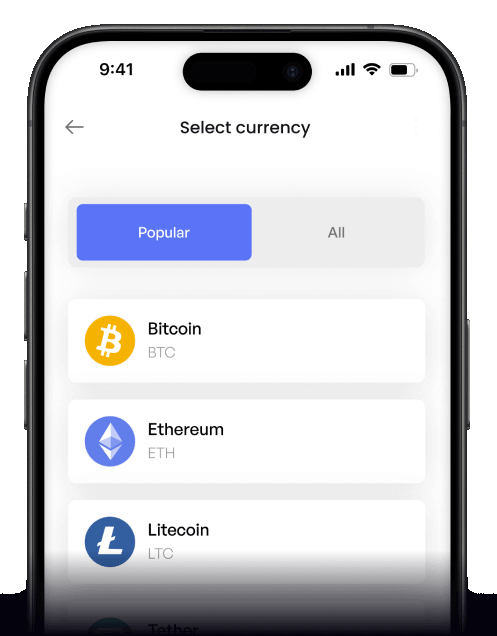
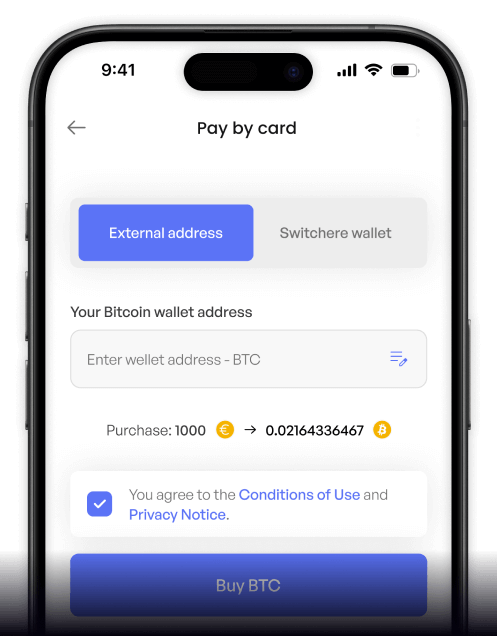
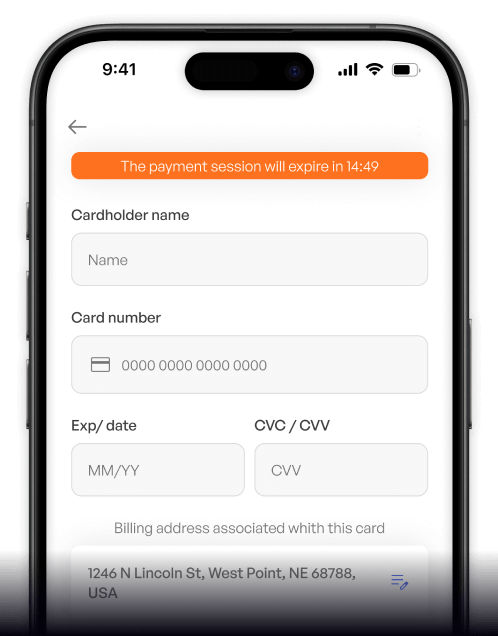
How to Buy eCash (XEC)
 Step-by-step guidance
 Easy credit card payments
 Streamlined purchase process
 Web
Web
Popular Coins for South African Rand (ZAR)





Other Coins for South African Rand (ZAR)




Frequently asked questions
-
How can I directly purchase eCash (XEC) using South African Rand (ZAR)?
To acquire XEC with ZAR, you typically need to use a cryptocurrency exchange operating as a fiat on-ramp in South Africa. After completing mandatory FICA (KYC/AML compliance) verification, you can fund your account via EFT (Electronic Funds Transfer) or credit card. Since direct ZAR/XEC pairs might have lower order book liquidity, you may sometimes need to trade ZAR for a stablecoin like USDT or an intermediate asset first, then swap it for eCash to execute the digital asset purchase. -
What is the primary technological advantage of holding XEC compared to older Bitcoin forks?
eCash (XEC), originally known as Bitcoin Cash ABC, integrates the Avalanche consensus algorithm on top of its underlying Nakamoto consensus. This hybrid model allows for near-instant transaction finality, significantly reducing the wait times associated with traditional Proof-of-Work (PoW) block confirmations. This makes XEC highly suitable for rapid microtransactions and acts as scalable electronic cash. -
Are there high network fees associated with XEC transactions when transferring from an exchange to a digital wallet?
No, one of the core value propositions of eCash is maintaining exceptionally low gas fees, typically a fraction of a cent. Because of its large block size limit and scaling roadmap, the network avoids the congestion seen on legacy chains. When you withdraw XEC from a secure trading platform to a non-custodial digital wallet, the on-chain blockchain transaction fee remains negligible. -
Can I participate in staking or subnets using my ZAR-purchased eCash?
Yes, the integration of Avalanche consensus enables staking mechanisms within the eCash ecosystem. By holding and staking XEC, node operators can participate in network governance and validation. Furthermore, the eCash roadmap includes support for Ethereum Virtual Machine (EVM) compatible subnets, enhancing its utility beyond simple payments into the broader decentralized finance (DeFi) space. -
Why is eCash denominated in 'bits' or millions of XEC, and how does this affect my ZAR investment?
eCash underwent a redenomination where 1 BCHA became 1,000,000 XEC, effectively shifting the base unit to 'bits' (two decimal places). This psychological and technical adjustment aims to make XEC more usable for everyday microtransactions without dealing with cumbersome fractions of a coin. Your ZAR fiat equivalent remains the same, but the tokenomics supply adjustment facilitates a more intuitive order book and trading volume experience.

Buy on the go
Anywhere. Anytime.
Buy crypto with your credit card from anywhere. Live rates, transparent fees, and 3D Secure on every order - the full Switchere card-buy experience in your pocket.



Scan to download the app iOS and Android

