Convert
ZAR to DAI Instantly
South African Rand to Dai (ERC20) at the real-time exchange rate


Purchase DAI (ERC20) with South African Rand (ZAR) easily at Switchere and benefit from fast, secure transactions.
About
DAI (ERC20)
For South Africans looking to participate in decentralized finance or hedge against local currency fluctuations, utilizing a reliable ZAR to DAI converter is essential. The exchange rate for this specific pair is primarily driven by the international valuation of the South African Rand against the US Dollar, since Dai is a decentralized stablecoin soft-pegged to the USD. Market liquidity and fiat on-ramp availability also impact the final DAI to ZAR rate during conversions.
When you buy DAI with ZAR, you typically navigate standard KYC/AML procedures required by local exchanges and payment gateways. South African users frequently rely on Electronic Fund Transfers (EFT), credit cards, or supported mobile payment apps to fund their transactions.
After securing the conversion, transferring DAI requires a compatible non-custodial wallet address. While DAI is native to the Ethereum blockchain as an ERC-20 token, users often select Layer-2 networks like Polygon or Arbitrum to mitigate high network fees. Confirmation times depend on network congestion, so factoring in gas costs is crucial when evaluating the overall fiat to crypto exchange rate.

How to Buy DAI (ERC20)
 Step-by-step guidance
 Easy credit card payments
 Streamlined purchase process
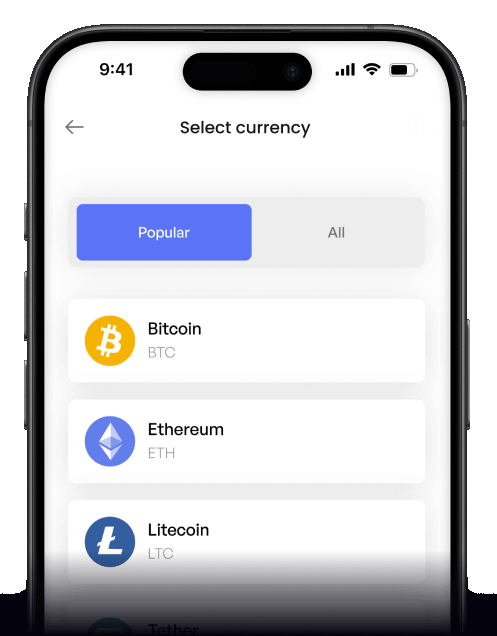
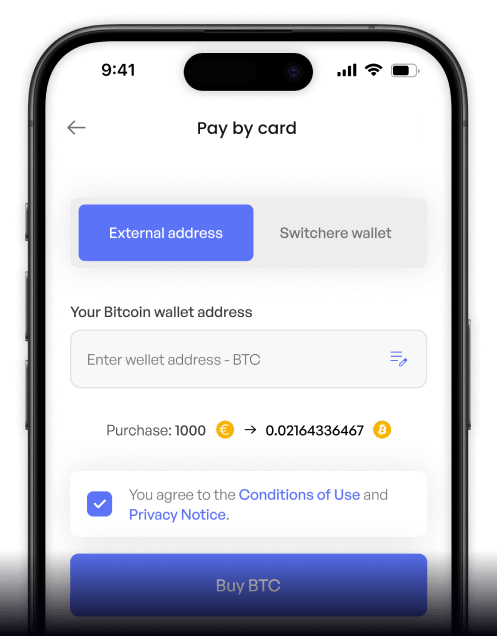
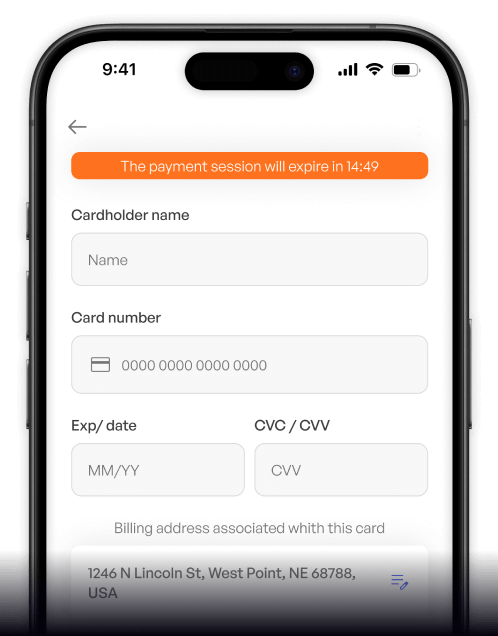
 Web
Popular Coins for South African Rand (ZAR)


Other Coins for South African Rand (ZAR)


Frequently asked questions
-
What does the ZAR/DAI trading pair represent and what is its primary utility?
The ZAR/DAI pair is a direct fiat on-ramp allowing users to purchase Dai, a decentralized stablecoin, using South African Rand. Its primary utility is providing South Africans access to the DeFi ecosystem with a stable digital asset. Unlike centralized stablecoins, Dai's value is maintained by the Maker Protocol through an over-collateralized system of smart contracts, making it a key component for decentralized finance without needing to first convert ZAR to another major currency. -
What is the typical process for buying DAI with ZAR on a cryptocurrency exchange?
To buy DAI with ZAR, you'll need to use a South African cryptocurrency exchange that lists the ZAR/DAI pair. The process generally involves: 1) Registering and completing FICA compliance (South Africa's KYC). 2) Depositing ZAR into your exchange account via a local payment method like an Electronic Funds Transfer (EFT). 3) Navigating to the ZAR/DAI order book and placing a buy order. 4) Once the digital asset purchase is complete, it is recommended to withdraw your ERC-20 DAI tokens to a secure, non-custodial digital wallet for full control. -
How does DAI's over-collateralization model provide stability when I convert from ZAR?
When you convert ZAR to DAI, you are acquiring a token whose stability is not reliant on a central issuer holding equivalent fiat reserves. Instead, every DAI in circulation is backed by a surplus of other crypto assets locked in Maker Protocol's smart contracts, known as Vaults. This over-collateralization ensures that even with market volatility in the collateral assets, there is always more value locked up than the total value of DAI issued, which algorithmically maintains its soft peg to the US Dollar. -
Beyond the ZAR/DAI exchange rate, what other blockchain transaction fees should I anticipate?
When trading ZAR for DAI, consider three main fee types. First, the cryptocurrency exchange will charge a trading fee (maker/taker fee) for executing your order. Second, when you withdraw your DAI, which is an ERC-20 token, to a personal digital wallet, you must pay a network 'gas fee'. This fee is paid to Ethereum network validators to process the blockchain transaction and can vary based on network congestion. Finally, some exchanges may charge a nominal fee for ZAR deposits or withdrawals. -
After a successful ZAR to DAI digital asset purchase, what are the primary uses for DAI within DeFi?
Once you hold DAI, it serves as a stable and decentralized unit of account across the DeFi ecosystem. Common uses include: lending it on protocols like Aave or Compound to earn interest, providing liquidity to decentralized exchanges (DEXs) to earn trading fees, and using it as stable collateral to mint other assets or take out loans. You can also activate the Dai Savings Rate (DSR) within the Maker Protocol to earn a variable yield directly on your holdings.

Buy on the go
Anywhere. Anytime.
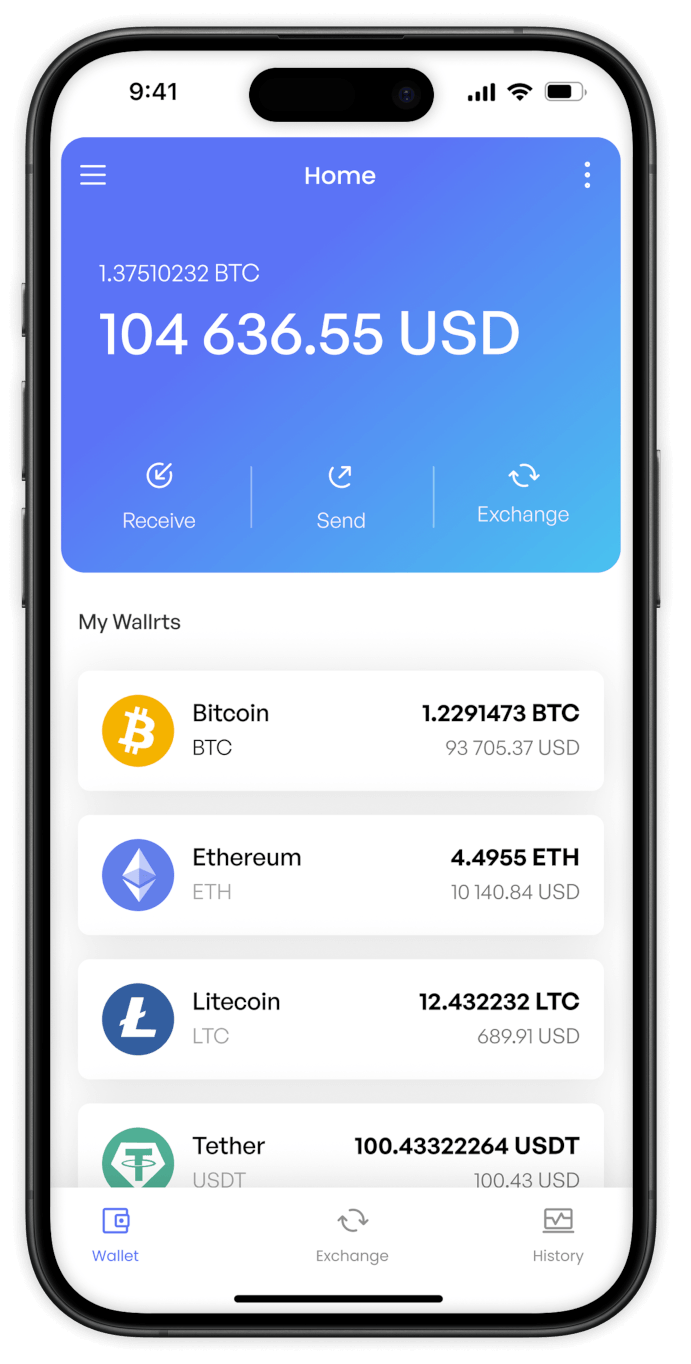
Buy crypto with your credit card from anywhere. Live rates, transparent fees, and 3D Secure on every order - the full Switchere card-buy experience in your pocket.



Scan to download the app iOS and Android