


Convert
Kuwaiti Dinar (KWD) to USDC (ARB) Instantly


Purchase USDC (ARB) with Kuwaiti Dinar (KWD) easily at Switchere and benefit from fast, secure transactions.
About
USDC (ARB)
USD Coin (USDC) on Arbitrum represents a crucial piece of Web3 infrastructure, functioning as a fiat-collateralized stablecoin specifically bridged to this prominent Layer 2 scaling solution. Issued by Circle and governed by the Centre consortium, each USDC token is designed to maintain a 1:1 peg with the U.S. Dollar, backed by fully reserved assets. Its presence on the Arbitrum One network directly addresses the scalability challenges of the Ethereum mainnet, such as high gas fees and slower transaction speeds. By leveraging Arbitrum's optimistic rollup technology, USDC transactions become significantly faster and more cost-effective, enhancing its utility as a digital asset for everyday commerce and DeFi applications.
Within the burgeoning Arbitrum ecosystem, USDC serves as a foundational digital asset and a primary medium of exchange. It is extensively used as collateral in lending and borrowing protocols, provides liquidity in decentralized exchanges (DEXs), and acts as a stable unit of account for yield farming and other DeFi strategies. The ability to move this stable value efficiently across a high-throughput blockchain makes it indispensable for users interacting with dApps on the network. This version of USDC is essential for anyone seeking to participate in Arbitrum's DeFi landscape while avoiding the volatility of other cryptographic assets and the high transaction costs of the Ethereum base layer.

How to Buy USDC (ARB)
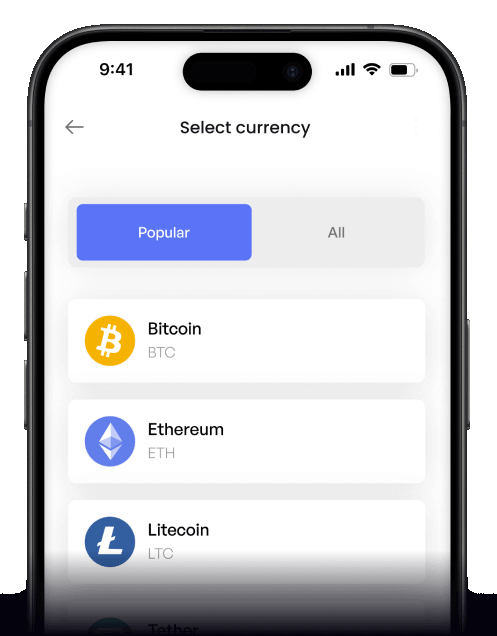
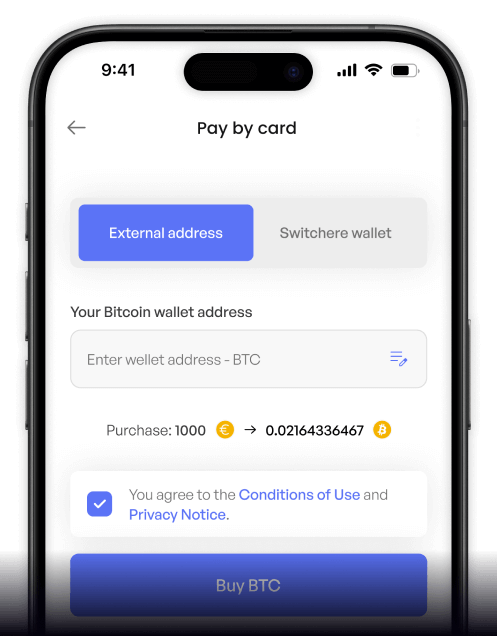
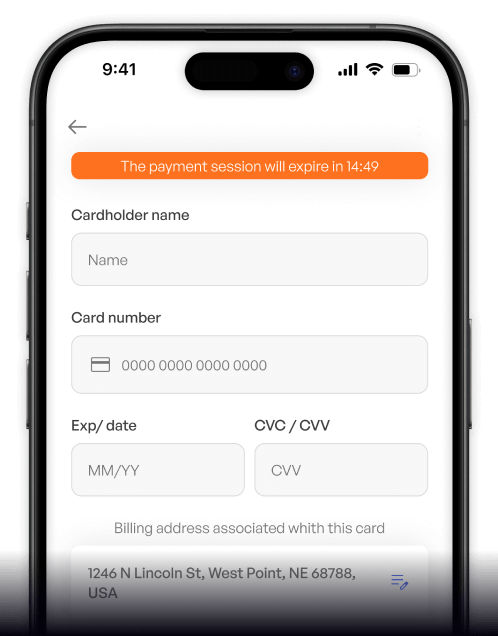
 Step-by-step guidance
 Easy credit card payments
 Streamlined purchase process
 Web
Web
Popular Coins for Kuwaiti Dinar (KWD)




Other Coins for Kuwaiti Dinar (KWD)




Frequently asked questions
-
What is the KWD to USDC (ARB) trading pair and why is it important?
The KWD to USDC (ARB) pair represents a direct fiat on-ramp from the Kuwaiti Dinar (KWD) to USD Coin (USDC) specifically on the Arbitrum network. It's important because it allows users to convert their local fiat currency into a dollar-pegged stablecoin on a leading Ethereum Layer-2 scaling solution. This provides a low-cost, high-speed entry point into the Arbitrum DeFi ecosystem, bypassing the high gas fees of the Ethereum mainnet. -
What are the common methods to buy Arbitrum USDC with Kuwaiti Dinar?
To purchase Arbitrum USDC with KWD, you typically need a cryptocurrency exchange that supports KWD deposits as a fiat on-ramp. The process usually involves: 1) Registering and completing KYC/AML verification on the platform. 2) Depositing KWD via accepted methods like local bank transfers or Kuwait's KNET payment gateway. 3) Placing a market or limit order on the KWD/USDC trading pair. 4) Withdrawing the USDC to a personal digital wallet that is configured for the Arbitrum One network. -
Why choose Arbitrum network USDC over mainnet Ethereum USDC for transactions from KWD?
The primary advantages of using Arbitrum USDC are significantly lower transaction fees and faster confirmation times. Arbitrum is an Ethereum Layer-2 solution that processes transactions off-chain, bundling them before settling on the mainnet. This results in gas fees that are a fraction of what you would pay on the Ethereum mainnet, making it more cost-effective for interacting with dApps, DeFi protocols, and performing simple transfers after converting from KWD. -
What KYC/AML compliance is required to convert KWD to USDC (ARB)?
Any reputable financial platform or cryptocurrency exchange facilitating the conversion of a fiat currency like KWD into a digital asset is required to adhere to strict KYC (Know Your Customer) and AML (Anti-Money Laundering) regulations. This typically involves identity verification by submitting a government-issued ID, proof of address, and sometimes a source of funds declaration, in line with financial regulations set by entities like the Central Bank of Kuwait. -
How do transaction fees work when trading KWD for Arbitrum USDC?
There are typically three types of fees to consider: 1) Deposit Fees for transferring KWD onto the exchange, which may be charged by your bank or payment processor. 2) Trading Fees on the exchange, usually a small percentage of the trade value (maker/taker model). 3) Network Fees (Gas Fees) for withdrawing your USDC to an external wallet. This is where Arbitrum excels; the gas fee for an on-chain transaction on the Arbitrum network is minimal, paid in ETH, and significantly cheaper than a similar transaction on the Ethereum mainnet.

Buy on the go
Anywhere. Anytime.
Buy crypto with your credit card from anywhere. Live rates, transparent fees, and 3D Secure on every order - the full Switchere card-buy experience in your pocket.



Scan to download the app iOS and Android

