


Convert
Mexican Peso (MXN) to USDC (BSCOLD) Instantly


Purchase USDC (BSCOLD) with Mexican Peso (MXN) easily at Switchere and benefit from fast, secure transactions.
About
USDC (BSCOLD)
USD Coin (USDC) as a BEP20 token is a premier fiat-collateralized stablecoin operating natively on the BNB Smart Chain (BSC). Issued by the Centre consortium, each USDC is backed by one U.S. dollar, held in reserves of cash and short-term U.S. Treasury bonds, ensuring a stable 1:1 peg. This digital asset is fundamental to the BSC ecosystem, providing a reliable medium of exchange and a safe-haven store of value that shields users from market volatility. By tokenizing the dollar, USDC (BEP20) bridges traditional finance with the world of decentralized finance (DeFi), facilitating seamless and stable on-chain transactions across the network. Its primary role is to provide liquidity and a consistent unit of account for the burgeoning Web3 landscape.
Built on the BEP20 token standard, this version of USDC boasts full interoperability with the vast array of dApps, wallets, and smart contracts within the BNB Smart Chain. This compatibility allows it to be a cornerstone for DeFi applications, including decentralized exchanges (DEXs), lending protocols, and complex yield farming strategies. Users benefit from the core advantages of the BSC network, such as low transaction fees and fast block confirmation times, making it highly efficient for frequent peer-to-peer payments and interacting with DeFi. As a critical piece of financial infrastructure, USDC (BEP20) enhances the capital efficiency and accessibility of the entire decentralized network, cementing its status as a vital digital ledger asset.

How to Buy USDC (BSCOLD)
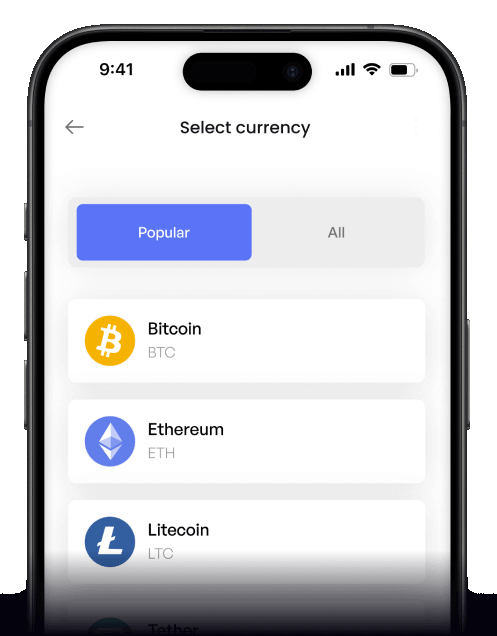
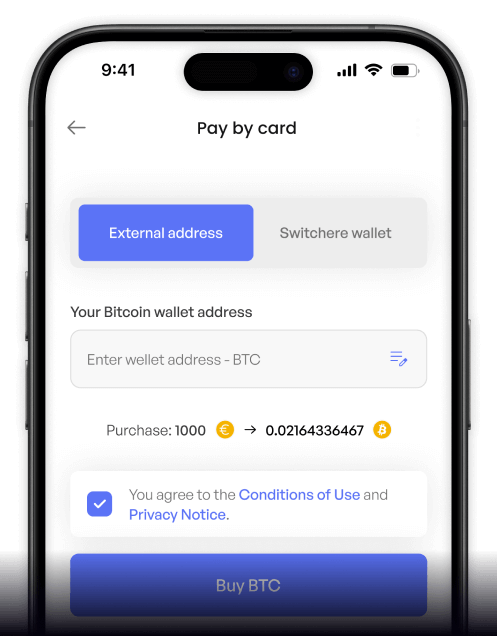
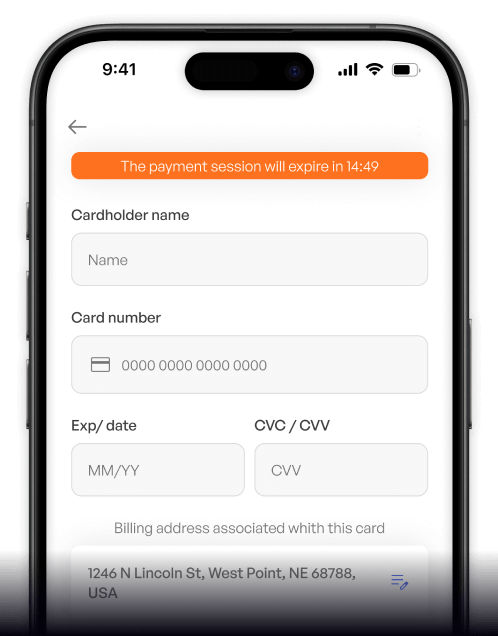
 Step-by-step guidance
 Easy credit card payments
 Streamlined purchase process
 Web
Web
Popular Coins for Mexican Peso (MXN)





Other Coins for Mexican Peso (MXN)





Frequently asked questions
-
What is the MXN/USDC (BEP20) trading pair and what are its key advantages?
The MXN/USDC (BEP20) pair represents the direct conversion of Mexican Pesos (MXN) into USD Coin (USDC), a dollar-pegged stablecoin, specifically on the BNB Smart Chain (BSC) network. Its key advantage is providing a low-cost fiat on-ramp into the BSC DeFi ecosystem. Users can leverage the network's low transaction fees and fast confirmation times to interact with dApps, compared to the more expensive ERC-20 version on Ethereum. -
What payment methods can I use to buy BEP20 USDC with MXN?
To purchase BEP20 USDC with Mexican Pesos, you can typically use several fiat gateway options. The most common include direct bank transfers via Mexico's SPEI system, debit/credit card payments on supported cryptocurrency exchanges, and P2P (peer-to-peer) markets where you can trade directly with other users. Always verify that the platform supports MXN deposits and allows withdrawals of USDC on the BEP20 network. -
What type of digital wallet is needed to store my BEP20 USDC securely?
You need a digital wallet that is compatible with the BNB Smart Chain (BSC). Popular choices for self-custody include software wallets like Trust Wallet or MetaMask (which must be manually configured for the BSC network). For enhanced security, consider using a hardware wallet like Ledger or Trezor connected to a BSC-compatible interface. It is critical to never send BEP20 tokens to a wallet that only supports the Ethereum (ERC-20) network, as this could result in a loss of funds. -
Why would I choose BEP20 USDC over the original ERC-20 version for transactions?
The primary reasons for choosing the BEP20 token standard for USDC are significantly lower transaction fees and faster processing speeds. The BNB Smart Chain is designed for high throughput, meaning blockchain transactions are confirmed more quickly and the 'gas fees' (paid in BNB) are typically a fraction of what they are on the Ethereum network. This makes BEP20 USDC ideal for high-frequency trading, DeFi applications, and small-value transfers. -
Are there KYC/AML requirements for purchasing BEP20 USDC with Mexican Pesos?
Yes, virtually all centralized cryptocurrency exchanges and fiat on-ramp services that facilitate MXN to crypto transactions are subject to Mexican financial regulations. This means you will need to complete a KYC (Know Your Customer) and AML (Anti-Money Laundering) verification process. This typically involves submitting a government-issued ID and proof of address to ensure secure trading and compliance.

Buy on the go
Anywhere. Anytime.
Buy crypto with your credit card from anywhere. Live rates, transparent fees, and 3D Secure on every order - the full Switchere card-buy experience in your pocket.



Scan to download the app iOS and Android

