


Convert
Mexican Peso (MXN) to Curve DAO Token (CRV) Instantly


Purchase Curve DAO Token (CRV) with Mexican Peso (MXN) easily at Switchere and benefit from fast, secure transactions.
About
Curve DAO Token (CRV)
Curve DAO Token (CRV) is the native utility and governance token for Curve Finance, a premier decentralized exchange (DEX) and automated market maker (AMM) protocol. Launched primarily on the Ethereum blockchain, Curve Finance specializes in providing extremely efficient trading and deep liquidity for stablecoins and other pegged assets, such as wrapped Bitcoin variants, by utilizing novel bonding curve algorithms designed to minimize slippage. This focus makes it a cornerstone of the decentralized finance (DeFi) ecosystem, particularly for operations requiring stable asset swaps within various DeFi applications and strategies.
The core technology behind Curve leverages smart contracts, predominantly written in Vyper for security and simplicity, to create highly concentrated liquidity pools. CRV tokens are central to the platform's tokenomics; holders can stake CRV by locking them to receive vote-escrowed CRV (veCRV). This veCRV grants holders voting power in the Curve DAO to influence protocol parameters, including directing CRV emissions to specific liquidity pools through gauge weights. Furthermore, veCRV holders are entitled to a share of the protocol's trading fees and can boost their rewards when providing liquidity. Its role in facilitating stablecoin liquidity and the competitive dynamics around its governance (often dubbed "Curve Wars") underscore its significance as a foundational on-chain digital asset and Web3 infrastructure component.

How to Buy Curve DAO Token (CRV)
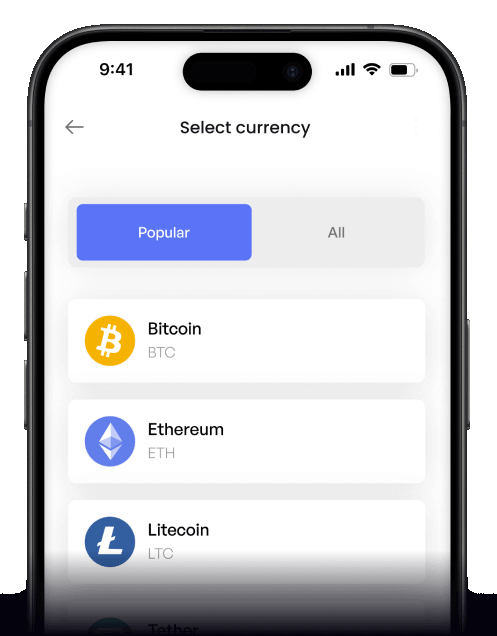
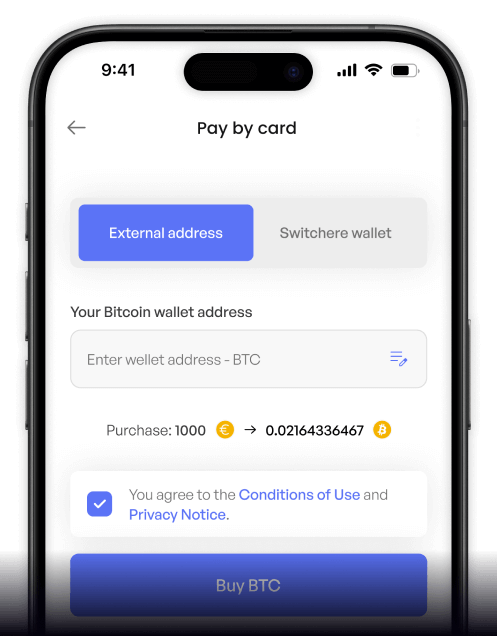
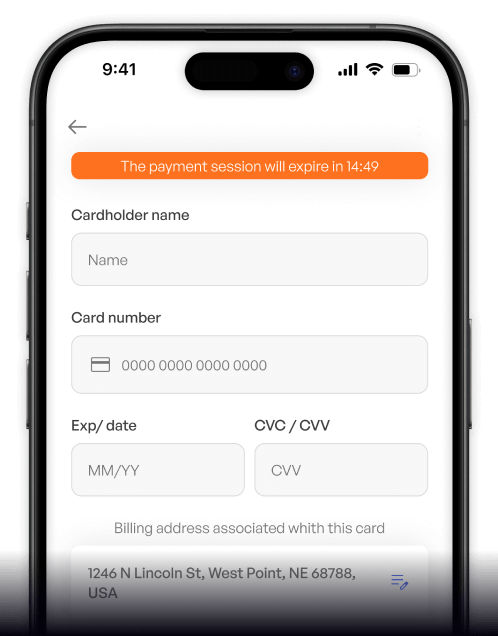
 Step-by-step guidance
 Easy credit card payments
 Streamlined purchase process
 Web
Web
Popular Coins for Mexican Peso (MXN)




Other Coins for Mexican Peso (MXN)





Frequently asked questions
-
What's the most common process for buying Curve DAO Token (CRV) with Mexican Pesos (MXN)?
Typically, you'll use a cryptocurrency exchange that supports MXN deposits. The process involves creating an account, completing KYC/AML compliance, and funding it with Mexican Pesos, often via a SPEI transfer. Since a direct MXN/CRV pair is rare, you'll likely first buy a major cryptocurrency like BTC or a stablecoin like USDT, and then trade that for CRV on the exchange's spot market. Finally, withdraw the CRV to a secure digital wallet. -
What is the primary function of CRV within the Curve Finance ecosystem?
CRV is the governance token for the Curve Finance protocol, a leading automated market maker (AMM) focused on stablecoin swapping. Holders can lock CRV to receive veCRV (vote-escrowed CRV), which grants them voting rights on DAO proposals, a share of the protocol's trading fees, and the ability to boost their rewards from providing liquidity to various pools. This mechanism is central to the 'Curve Wars,' where protocols compete for gauge weight influence. -
What are the common payment methods to fund an account with MXN for a digital asset purchase?
The most widely accepted and efficient method for depositing Mexican Pesos onto a fiat-to-crypto gateway is the SPEI (Sistema de Pagos Electrónicos Interbancarios) transfer from a Mexican bank account. Some platforms may also accept debit card payments or cash deposits through services like OXXO Pay, although these might have lower limits and higher fees. Wire transfers are another, albeit slower, option. -
Why is it important to move CRV tokens off an exchange after a transaction?
Moving your CRV tokens to a personal digital wallet (preferably a hardware wallet) after purchase is a critical security practice. It gives you sole control over your private keys, protecting your assets from exchange-specific risks like hacks or freezes. Furthermore, to participate in Curve's DAO governance by creating veCRV, you must hold the CRV in a wallet that can interact with the Curve Finance protocol, which is not possible while they are on a centralized exchange. -
Are there liquidity pools that involve CRV itself, and how do they work?
Yes, several liquidity pools on Curve Finance and other decentralized exchanges (DEXs) include CRV, often paired with ETH (CRV/ETH). Users can provide liquidity to these pools by depositing an equivalent value of both assets. In return, they receive Liquidity Provider (LP) tokens and earn a share of the trading fees generated by that pool. These LP tokens can often be staked in a 'gauge' to earn additional CRV emissions as rewards, which can be further boosted by holding veCRV.

Buy on the go
Anywhere. Anytime.
Buy crypto with your credit card from anywhere. Live rates, transparent fees, and 3D Secure on every order - the full Switchere card-buy experience in your pocket.



Scan to download the app iOS and Android

