


Convert
Hungarian Forint (HUF) to QTUM (QTUM) Instantly


Purchase QTUM (QTUM) with Hungarian Forint (HUF) easily at Switchere and benefit from fast, secure transactions.
About
QTUM (QTUM)
Qtum (QTUM) is an innovative hybrid blockchain platform that uniquely combines the security of Bitcoin's Unspent Transaction Output (UTXO) model with the smart contract capabilities of the Ethereum Virtual Machine (EVM). This fusion is achieved through its groundbreaking Account Abstraction Layer (AAL), which allows for the seamless interaction between these two distinct blockchain architectures. As a decentralized network, Qtum provides a stable, secure, and flexible environment for developers to build decentralized applications (dApps) and for businesses to deploy enterprise-level blockchain solutions. The platform operates on a Proof-of-Stake (PoS) consensus mechanism, enabling energy-efficient block validation and allowing token holders to participate in network security by staking their QTUM.
The native utility token, QTUM, is integral to the ecosystem's functionality. It is used to pay for transaction fees and smart contract execution, similar to gas on Ethereum. Furthermore, the digital asset serves as a governance token through Qtum's Decentralized Governance Protocol (DGP). This on-chain governance system allows stakeholders to vote on key network parameters, such as block size and gas fees, fostering a truly decentralized and adaptable Web3 infrastructure. Its mobile-first design and commitment to interoperability position Qtum as a significant platform for real-world DeFi applications and business use cases.

How to Buy QTUM (QTUM)
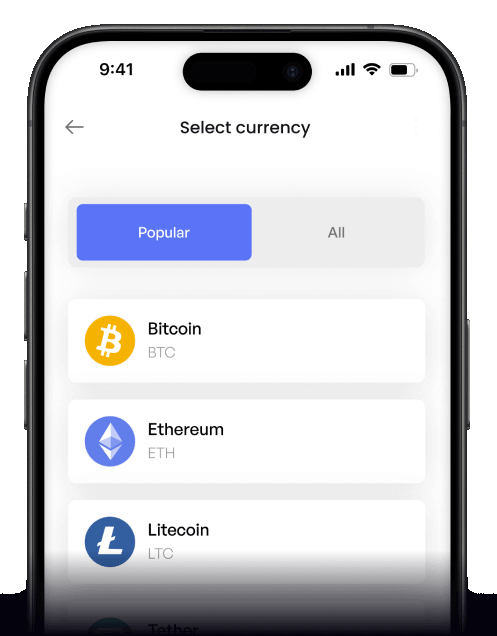
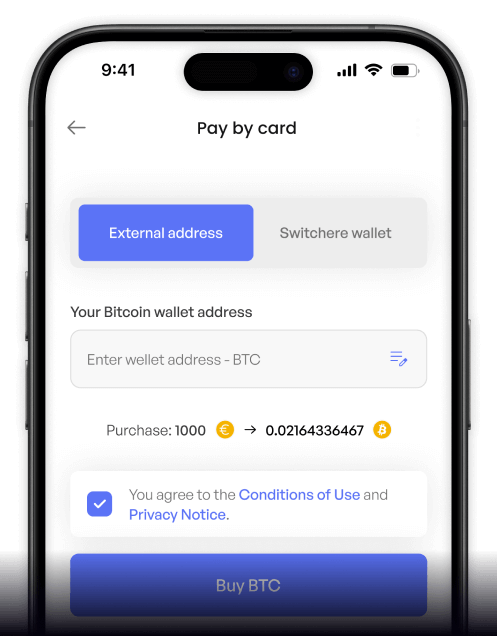
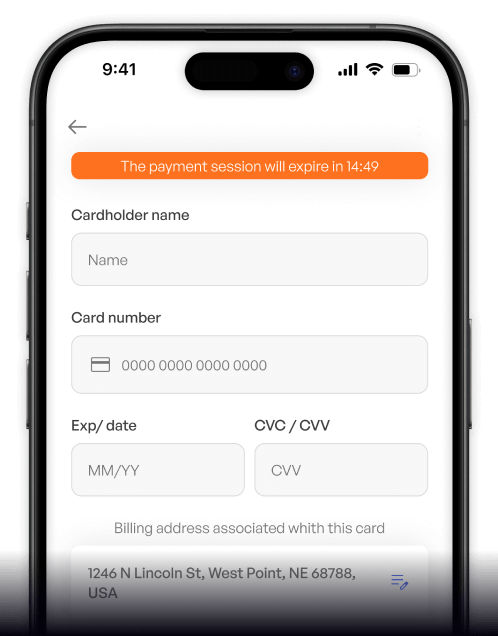
 Step-by-step guidance
 Easy credit card payments
 Streamlined purchase process
 Web
Web
Popular Coins for Hungarian Forint (HUF)





Other Coins for Hungarian Forint (HUF)









Frequently asked questions
-
What does the HUF/QTUM trading pair represent on a cryptocurrency exchange?
The HUF/QTUM pair represents the exchange rate between the Hungarian Forint (HUF) and the Qtum (QTUM) digital asset. It allows you to purchase QTUM, a hybrid blockchain platform that merges Bitcoin's secure UTXO model with the Ethereum Virtual Machine's (EVM) smart contract capabilities, using your local Hungarian currency as a direct fiat on-ramp. -
What are the common methods for purchasing QTUM with Hungarian Forint?
Direct HUF/QTUM pairs are less common. The typical process involves using a regulated cryptocurrency exchange that accepts HUF deposits, often via local bank transfer or debit/credit card. You might first need to buy a major cryptocurrency like Bitcoin (BTC) or a stablecoin like USDT with your HUF, and then trade that for QTUM on the exchange's order book. Always ensure the platform complies with KYC/AML regulations. -
What is Qtum's Account Abstraction Layer (AAL) and why is it relevant for this transaction?
Qtum's Account Abstraction Layer (AAL) is the core technology that allows Ethereum's EVM-compatible smart contracts to operate on top of Bitcoin's UTXO blockchain model. When you buy QTUM with HUF, you are acquiring a stake in this hybrid network. This means the QTUM you hold can be used to interact with a wide array of dApps and smart contracts, offering the security of Bitcoin's model with the flexibility of Ethereum's ecosystem. -
After buying QTUM with HUF, what are the benefits of its Proof-of-Stake (PoS) consensus mechanism?
Once you've converted your HUF to QTUM, you can participate in the network's Proof-of-Stake (PoS) consensus. Unlike Proof-of-Work, this allows you to 'stake' your QTUM in a digital wallet to help secure the network and validate transactions. In return, you can earn block rewards, providing a way to generate passive yield on your digital asset holding. This is also more energy-efficient and allows for decentralized network governance. -
What security measures are crucial when converting HUF to QTUM and storing the asset?
Security is paramount. First, only use reputable, regulated exchanges that require KYC for your HUF to crypto transaction. Enable two-factor authentication (2FA) on your exchange account. After purchasing, it is highly recommended to move your QTUM from the exchange to a non-custodial wallet where you control the private keys. For significant amounts, a hardware wallet offers the best protection against online threats.

Buy on the go
Anywhere. Anytime.
Buy crypto with your credit card from anywhere. Live rates, transparent fees, and 3D Secure on every order - the full Switchere card-buy experience in your pocket.



Scan to download the app iOS and Android

