


Convert
Hungarian Forint (HUF) to The Graph (GRT) Instantly


Purchase The Graph (GRT) with Hungarian Forint (HUF) easily at Switchere and benefit from fast, secure transactions.
About
The Graph (GRT)
The Graph (GRT) is a decentralized indexing protocol for querying and organizing data from blockchains, akin to a search engine for the Web3 ecosystem. It addresses a critical challenge in blockchain technology: the difficulty of efficiently retrieving specific on-chain data. Before The Graph, developers had to build and operate proprietary indexing servers, a resource-intensive process. This protocol provides a foundational middleware layer, enabling decentralized applications (dApps) to query complex smart contract data through open APIs called subgraphs, significantly streamlining the development of DeFi applications and other Web3 infrastructure.
At its core, the network utilizes a work token, GRT, to coordinate participants: Indexers, Curators, and Delegators. Indexers operate nodes and stake GRT to process queries and provide indexing services. Curators are subgraph developers or data consumers who signal which subgraphs are high-quality by staking GRT. Delegators contribute to network security by delegating their GRT to existing Indexers. This tokenomics model creates a vibrant data economy powered by cryptographic security. By leveraging GraphQL as its query language, The Graph offers a powerful tool, solidifying its position as an essential component for building truly decentralized applications on a global, verifiable digital ledger.

How to Buy The Graph (GRT)
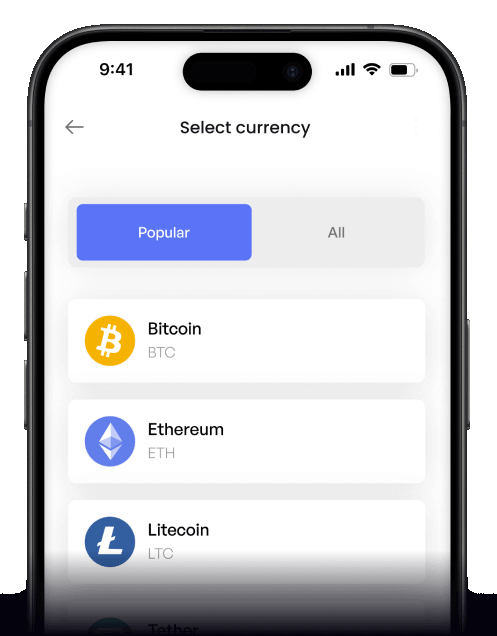
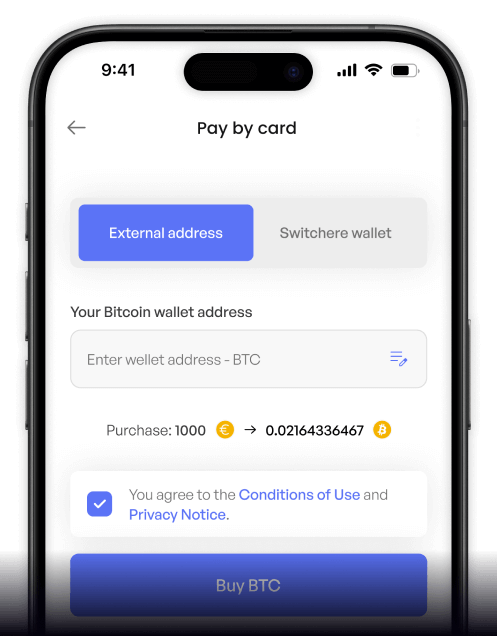
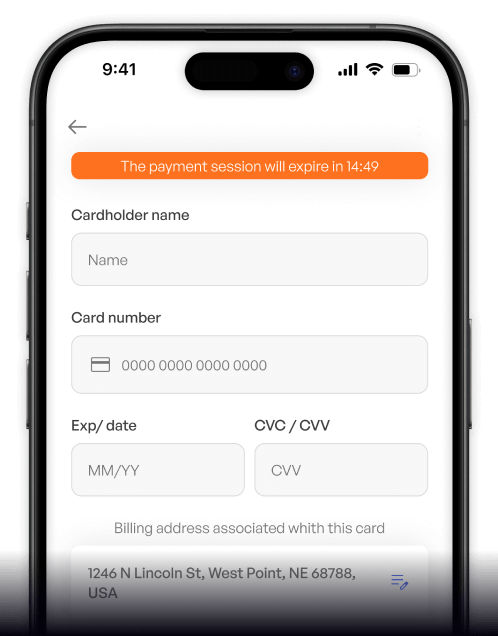
 Step-by-step guidance
 Easy credit card payments
 Streamlined purchase process
 Web
Web
Popular Coins for Hungarian Forint (HUF)




Other Coins for Hungarian Forint (HUF)







Frequently asked questions
-
What's the most common way to buy The Graph (GRT) with Hungarian Forint (HUF)?
Direct HUF/GRT trading pairs are rare. The standard method involves a two-step process: First, use a fiat on-ramp exchange that accepts HUF, often via bank transfer, to buy a major cryptocurrency like Bitcoin (BTC) or a stablecoin like Tether (USDT). Second, transfer this digital asset to a global exchange with high GRT liquidity and trade your BTC or USDT for GRT. This ensures you access a deeper order book for better pricing. -
What fundamental role does The Graph's GRT token play in the Web3 ecosystem?
The GRT token is essential for the operation of The Graph, a decentralized protocol for indexing and querying data from blockchains. GRT is an ERC-20 utility token used to coordinate work. Network participants, known as Indexers, Curators, and Delegators, stake GRT to provide indexing and curating services. This allows dApps to efficiently query complex blockchain data via APIs called subgraphs, making GRT a critical piece of Web3 infrastructure. -
What types of fees should I anticipate when converting HUF to GRT?
The process involves several potential fees. First, a deposit fee for your HUF transfer to the initial exchange. Second, a trading fee for the HUF-to-crypto transaction. Third, a network withdrawal fee to move your intermediate asset (e.g., USDT) to the second exchange. Fourth, another trading fee for the final USDT-to-GRT trade. Finally, since GRT is an ERC-20 token, withdrawing it to a private digital wallet will incur an Ethereum network gas fee, which can vary based on network congestion. -
How can I securely store and manage my GRT tokens after acquiring them?
For optimal digital asset security, it's recommended to move your GRT off the exchange into a personal wallet where you control the private keys. Since GRT is an ERC-20 token on the Ethereum blockchain, it is compatible with numerous wallets. For maximum security (cold storage), use a hardware wallet like Ledger or Trezor. For easier access and interaction with dApps, a software wallet (hot wallet) like MetaMask is a popular choice. Always backup your seed phrase securely. -
Can I participate in The Graph network by delegating my GRT tokens?
Yes, one of the primary utilities of the GRT token is network participation through delegation. As a Delegator, you can stake your GRT tokens with an existing Indexer. By doing this, you contribute to the network's security and data indexing capacity and, in return, earn a portion of the query fees and indexing rewards that the Indexer generates. This is a non-custodial way to put your digital assets to work within The Graph's ecosystem.

Buy on the go
Anywhere. Anytime.
Buy crypto with your credit card from anywhere. Live rates, transparent fees, and 3D Secure on every order - the full Switchere card-buy experience in your pocket.



Scan to download the app iOS and Android

