


- Accueil
- Convertisseur
- Hungarian Forint (HUF) pour Ren (REN)

Convertissez
Hungarian Forint (HUF) en Ren (REN) instantanément


Achetez Ren (REN) avec Hungarian Forint (HUF) facilement sur Switchere et bénéficiez de transactions rapides et sécurisées.
A propos de
Ren (REN)
Ren (REN) est un protocole d'interopérabilité décentralisé conçu pour faciliter le transfert sans permission d'actifs numériques entre différents réseaux blockchain. Son objectif principal est de débloquer la liquidité inter-chaînes pour les applications de finance décentralisée (DeFi). Le cœur du projet est la RenVM, une machine virtuelle décentralisée alimentée par un réseau de nœuds appelés Darknodes. En tirant parti du calcul multipartite sécurisé (sMPC), la RenVM peut conserver des actifs sur une chaîne et émettre une représentation ERC-20 adossée à 1:1 sur une autre, comme Ethereum, sans exposer les clés privées sous-jacentes. Ce processus permet à des actifs comme le Bitcoin (BTC) d'être utilisés au sein de l'écosystème DeFi d'Ethereum sous le nom de renBTC.
Le jeton utilitaire natif du protocole, le REN, est essentiel au fonctionnement et à la sécurité du réseau. Pour faire fonctionner un Darknode, les opérateurs doivent déposer une caution de 100 000 jetons REN en garantie. Cette mesure de sécurité cryptographique incite à un comportement honnête, car des actions malveillantes entraîneraient la confiscation de l'actif numérique mis en jeu. Les opérateurs de Darknode gagnent des récompenses grâce aux frais générés par les transferts d'actifs via la RenVM. En tant qu'élément fondamental de l'infrastructure Web3, Ren fonctionne comme un pont sans confiance, améliorant la composabilité et l'efficacité du capital de l'ensemble de l'écosystème on-chain en brisant les silos entre les blockchains disparates.

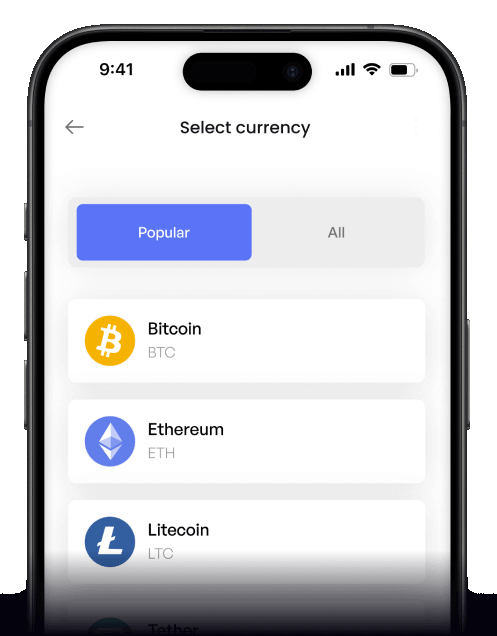
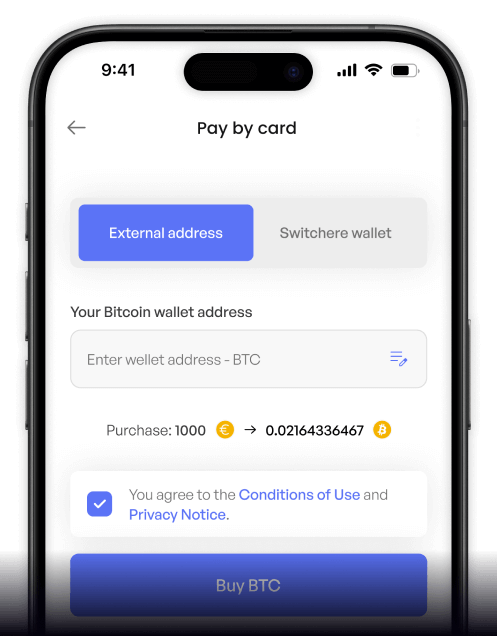
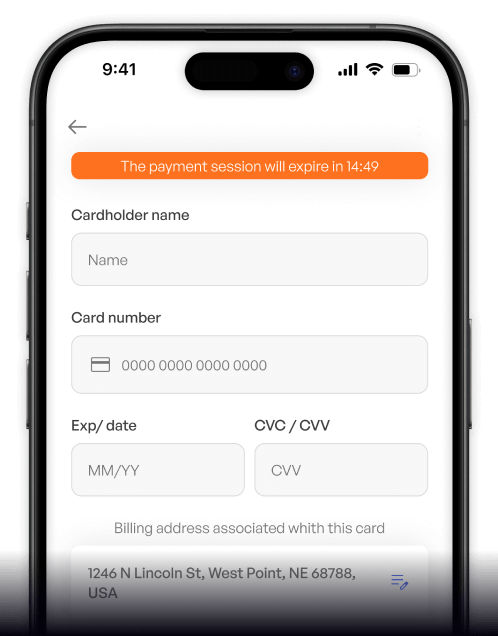
Comment acheter des Ren (REN)
 Conseils étape par étape
 Paiements faciles par carte de crédit
 Processus d'achat simplifié
 Web
Web
Monnaies populaires pour Hungarian Forint (HUF)





Autres pièces pour Hungarian Forint (HUF)









Questions fréquemment posées
-
Qu'est-ce que la paire de trading HUF/REN et quelle est sa fonction principale ?
La paire HUF/REN représente une rampe d'accès fiat directe vous permettant d'acheter l'actif numérique REN en utilisant le forint hongrois (HUF). Sa fonction principale est de fournir une passerelle aux utilisateurs en Hongrie pour acquérir du REN, un jeton ERC-20 qui alimente le protocole Ren. Ce protocole permet l'interopérabilité des blockchains, autorisant le transfert sans permission d'actifs comme le Bitcoin à travers différentes chaînes, principalement pour une utilisation dans les écosystèmes de la finance décentralisée (DeFi). -
Quelles méthodes de paiement sont couramment utilisées pour acheter du REN avec le forint hongrois (HUF) ?
Pour acheter du REN avec des HUF, les utilisateurs d'une plateforme d'échange de cryptomonnaies utilisent généralement des virements bancaires locaux hongrois ou des virements SEPA (Single Euro Payments Area) si la plateforme prend en charge le HUF dans ce cadre. Certaines plateformes internationales peuvent également accepter les paiements par carte de débit ou de crédit en HUF. Vérifiez toujours les options spécifiques de la passerelle fiat et les frais de transaction associés sur la plateforme que vous avez choisie, car ils peuvent varier considérablement. -
Comment la technologie de base de Ren, RenVM, est-elle liée à la possession de jetons REN ?
La possession de jetons REN est essentielle à la sécurité et au fonctionnement de RenVM, la machine virtuelle décentralisée du protocole. Pour exploiter un « Darknode », qui alimente RenVM et traite les transactions inter-chaînes, un utilisateur doit mettre en jeu (staker) 100 000 jetons REN. Ces Darknodes utilisent le calcul multipartite sécurisé (sMPC) pour gérer les clés privées, permettant la création sans confiance d'actifs enveloppés comme le renBTC. Par conséquent, l'acquisition de REN est la première étape pour participer à la sécurité du réseau et gagner des récompenses. -
Y a-t-il des réglementations KYC/AML spécifiques à prendre en compte lors de l'utilisation d'une rampe d'accès fiat en HUF pour REN ?
Oui, toute plateforme d'échange de cryptomonnaies réputée offrant une paire de trading HUF/REN sera soumise à des réglementations strictes de KYC (Know Your Customer) et d'AML (Anti-Money Laundering). Cela signifie que vous devrez vérifier votre identité en fournissant des informations personnelles et des documents officiels, tels qu'un passeport ou une carte d'identité nationale, avant de pouvoir déposer des forints hongrois et effectuer des transactions. Il s'agit d'une procédure de sécurité standard pour garantir la conformité et prévenir les activités illicites. -
Quel est l'avantage stratégique d'acquérir du REN directement avec des HUF pour les utilisateurs de la DeFi ?
L'avantage principal est un accès simplifié à la liquidité inter-chaînes. En achetant du REN avec des HUF, un utilisateur de la DeFi évite de multiples étapes de conversion (par exemple, HUF en EUR, EUR en BTC, BTC en REN). Cette rampe d'accès directe leur permet d'utiliser rapidement le protocole Ren pour ponter des actifs non natifs, tels que le Bitcoin (en tant que renBTC) ou le Zcash (en tant que renZEC), sur des plateformes de contrats intelligents comme Ethereum. Cela permet une entrée plus rapide et plus efficace en capital dans les protocoles de yield farming, de prêt ou de trading de la DeFi.

Achetez où que vous soyez
Où que vous soyez. À tout moment.
Achetez des cryptomonnaies avec votre carte bancaire où que vous soyez. Taux de change en temps réel, frais transparents et 3D Secure pour chaque commande : toute l'expérience d'achat par carte Switchere à portée de main.



Scannez le code pour télécharger l'application sur iOS et Android

