


Convert
Hong Kong Dollar (HKD) to ConstitutionDAO (PEOPLE) Instantly


Purchase ConstitutionDAO (PEOPLE) with Hong Kong Dollar (HKD) easily at Switchere and benefit from fast, secure transactions.
About
ConstitutionDAO (PEOPLE)
ConstitutionDAO (PEOPLE) represents a landmark social experiment in the history of decentralized autonomous organizations (DAOs). Its primary purpose was to collectively raise capital using blockchain technology to purchase a rare, original copy of the U.S. Constitution at a Sotheby's auction. This initiative demonstrated the power of Web3 infrastructure for rapid, large-scale decentralized fundraising, amassing over $40 million in Ethereum in less than a week. The project operated on the Ethereum network, utilizing the Juicebox protocol for its crowdfunding smart contracts, which ensured transparency and automated treasury management.
The native digital asset, PEOPLE, was issued to contributors and functioned as a governance token, granting holders voting rights on the DAO's future decisions, such as storage and exhibition of the artifact if the bid were successful. Although the DAO was ultimately outbid, the PEOPLE token's story evolved. After the treasury was opened for refunds, the token became a symbol of community power and the potential of collective action in the digital age. It persists as a memetic token, embodying one of the most significant moments in DAO history and showcasing the on-chain coordination capabilities of a decentralized network.

How to Buy ConstitutionDAO (PEOPLE)
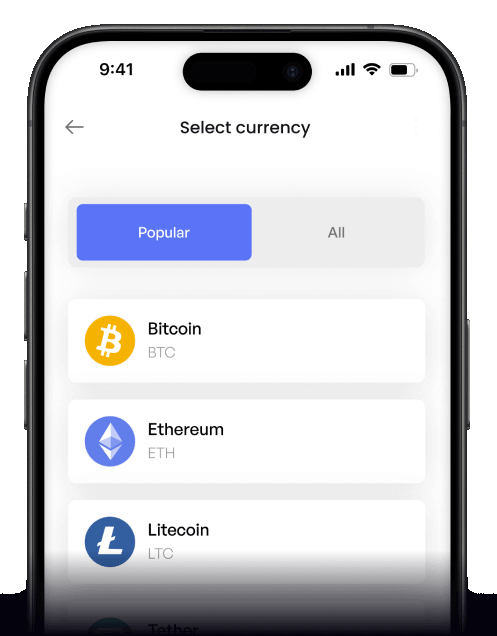
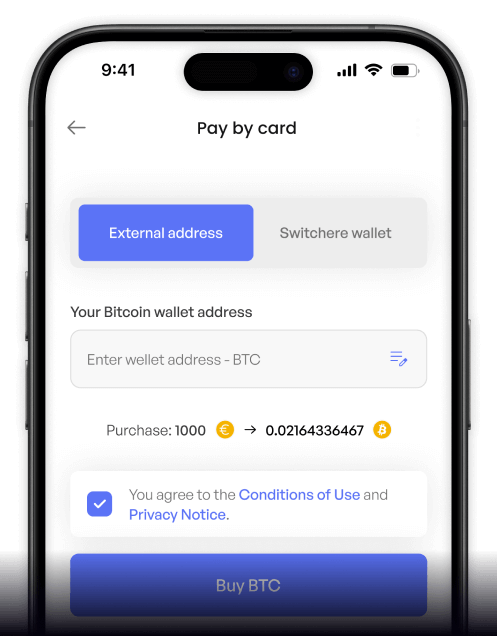
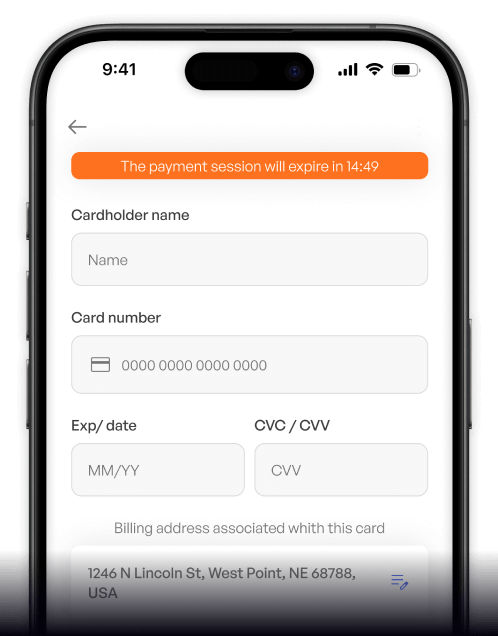
 Step-by-step guidance
 Easy credit card payments
 Streamlined purchase process
 Web
Web
Popular Coins for Hong Kong Dollar (HKD)





Other Coins for Hong Kong Dollar (HKD)









Frequently asked questions
-
What is the HKD/PEOPLE trading pair and what does it represent?
The HKD/PEOPLE pair allows you to buy the ConstitutionDAO (PEOPLE) token using Hong Kong Dollars (HKD). PEOPLE is an ERC-20 token on the Ethereum blockchain that originated from a Decentralized Autonomous Organization (DAO) formed to bid on a copy of the U.S. Constitution. This pair represents a direct fiat on-ramp for Hong Kong-based traders to acquire this unique, community-driven digital asset. -
What are the common methods for a digital asset purchase of PEOPLE with HKD?
To purchase PEOPLE with HKD, you typically need to use a cryptocurrency exchange that supports this specific fiat on-ramp. The process involves creating an account, completing KYC/AML verification, and then depositing HKD via methods like a direct bank transfer or Hong Kong's Faster Payment System (FPS). Once your HKD is in your exchange wallet, you can place an order on the HKD/PEOPLE order book. -
What is the underlying technology of the PEOPLE token I'm buying with HKD?
When you buy PEOPLE, you are acquiring an ERC-20 token, which is a standard digital asset on the Ethereum blockchain. This means its transactions are secured by Ethereum's network of miners or validators. The token itself doesn't have its own blockchain but exists as a smart contract, representing a share of the original funds from the ConstitutionDAO project, which has since evolved into a community-driven meme coin. -
Are there specific security measures for storing PEOPLE tokens after a HKD transaction?
Yes, secure storage is crucial. Since PEOPLE is an ERC-20 token, it must be stored in an Ethereum-compatible digital wallet where you control the private keys. For maximum security, consider transferring your PEOPLE from the exchange to a hardware wallet (cold storage). For smaller amounts, a reputable non-custodial software wallet is a viable option. Never share your private keys or seed phrase. -
What kind of fees can I expect when executing a HKD to PEOPLE blockchain transaction?
There are typically three types of fees. First, a deposit fee for funding your exchange account with HKD, which varies by payment method. Second, a trading fee charged by the exchange for executing the buy order, usually a small percentage of the transaction value. Third, if you withdraw your PEOPLE tokens to a private digital wallet, you will pay an Ethereum network 'gas fee' for the blockchain transaction, which fluctuates based on network congestion.

Buy on the go
Anywhere. Anytime.
Buy crypto with your credit card from anywhere. Live rates, transparent fees, and 3D Secure on every order - the full Switchere card-buy experience in your pocket.



Scan to download the app iOS and Android

