


- Strona główna
- Konwerter
- Hong Kong Dollar (HKD) do Ethereum Name Service (ENS)

Konwertuj
Hong Kong Dollar (HKD) na Ethereum Name Service (ENS) natychmiast


Kupuj Ethereum Name Service (ENS) z Hong Kong Dollar (HKD) łatwo w Switchere i korzystaj z szybkich, bezpiecznych transakcji.
O
Ethereum Name Service (ENS)
Ethereum Name Service (ENS) to zdecentralizowany system nazewnictwa zbudowany na blockchainie Ethereum, tłumaczący czytelne maszynowo identyfikatory, takie jak adresy portfeli, skróty treści i metadane, na czytelne dla człowieka nazwy `.eth`. Jego głównym celem jest poprawa doświadczenia użytkownika w całym ekosystemie Web3, upraszczając interakcje z dApps, zasobami cyfrowymi i aplikacjami DeFi, podobnie jak system nazw domen (DNS) obsługuje tradycyjny Internet. Ta warstwa tożsamości w łańcuchu poprawia dostępność technologii blockchain poprzez abstrakcję złożonych ciągów szesnastkowych, dzięki czemu zdecentralizowana sieć jest bardziej łatwa w nawigacji.
Pod względem technologicznym ENS działa za pośrednictwem zestawu inteligentnych kontraktów na Ethereum. Każda zarejestrowana nazwa `.eth` jest niewymienialnym tokenem ERC-721 (NFT), gwarantującym użytkownikom prawdziwą własność, zbywalność i bezpieczeństwo kryptograficzne. Protokół obsługuje odwrotną rozdzielczość, umożliwiając aplikacjom wyświetlanie przyjaznych dla użytkownika nazw ENS zamiast surowych adresów, a także może wskazywać na zdecentralizowane strony internetowe hostowane na IPFS. Natywny token ENS jest tokenem zarządzania, uprawniającym jego posiadaczy do udziału w ENS DAO. Wiąże się to z głosowaniem nad kluczowymi aktualizacjami protokołu, zarządzaniem skarbem i dostosowywaniem parametrów, kierując przyszłością standardu nazewnictwa tej zdecentralizowanej sieci i jej tokenomiki.
ENS jest uznawany za fundamentalną infrastrukturę Web3, kluczową dla poprawy interakcji użytkowników i ustanowienia przenośnej, należącej do użytkownika tożsamości w łańcuchu. Mapując zapadające w pamięć nazwy do różnych zasobów blockchain, znacznie obniża bariery wejścia dla nowych użytkowników. Ta użyteczność pozycjonuje ENS jako kluczowy czynnik umożliwiający szersze przyjęcie zdecentralizowanych technologii i jest integralną częścią bardziej intuicyjnej księgi cyfrowej. Jego rola w upraszczaniu złożonych interakcji w ekosystemie Ethereum i poza nim podkreśla jego znaczenie w budowaniu bardziej zorientowanej na użytkownika sieci Web3, wspierając wzrost w obszarach takich jak rynki NFT i zdecentralizowane media społecznościowe.

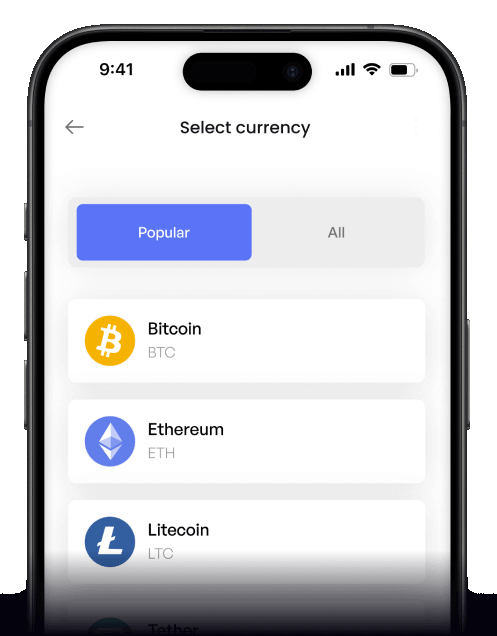
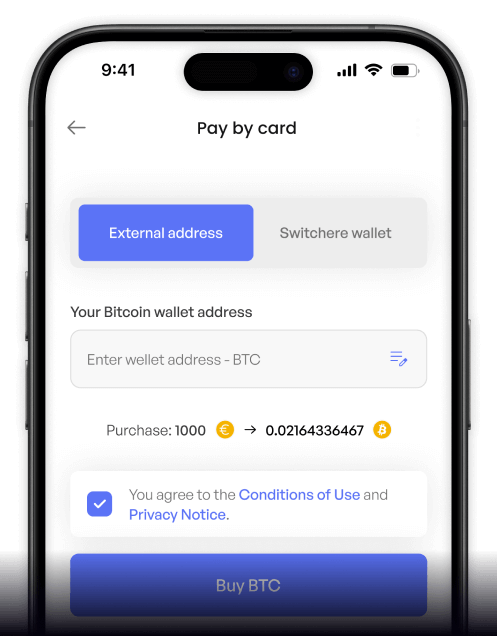
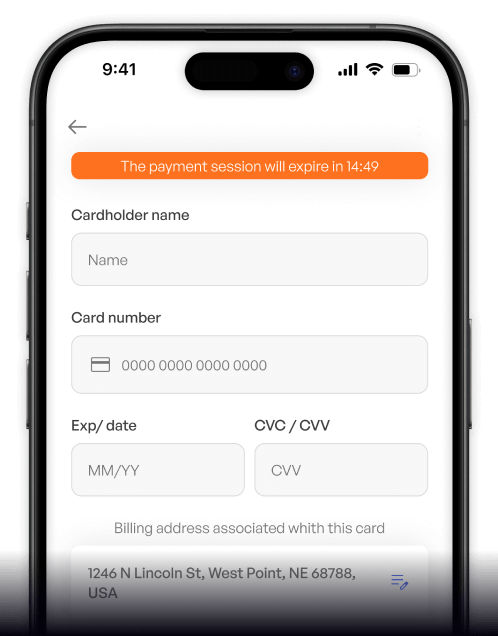
Jak kupić Ethereum Name Service (ENS)
 Wskazówki krok po kroku
 Łatwe płatności kartą kredytową
 Usprawniony proces zakupu
 Web
Web
Popularne monety za Hong Kong Dollar (HKD)




Inne monety za Hong Kong Dollar (HKD)





Często zadawane pytania
-
Jaki jest najczęstszy sposób zakupu tokenów Ethereum Name Service (ENS) za dolary hongkońskie (HKD)?
Zazwyczaj bezpośrednie pary handlowe HKD/ENS są rzadkością. Najczęstszą metodą jest korzystanie z giełdy kryptowalut, która akceptuje depozyty w HKD za pośrednictwem Faster Payment System (FPS) lub przelewu bankowego. Użytkownicy wpłacają HKD, kupują główną kryptowalutę, taką jak Ethereum (ETH) lub stablecoin (USDT), a następnie wymieniają ten zasób na ENS w księdze zleceń giełdy. -
Jaka jest główna funkcja tokena ENS w jego zdecentralizowanym systemie nazewnictwa?
Token ENS jest tokenem zarządzania. Jego główną funkcją jest przyznawanie posiadaczom praw głosu w ENS DAO (Zdecentralizowanej Autonomicznej Organizacji). Pozwala to społeczności podejmować wspólne decyzje dotyczące aktualizacji protokołu, zarządzania skarbcem i przyszłości Ethereum Name Service. Nie jest używany do opłacania rejestracji ani odnawiania domen .ETH; opłaty te są uiszczane w ETH. -
Jak po zakupie ENS użyć go do stworzenia nazwy użytkownika Web3 lub domeny .ETH?
To częste nieporozumienie. Nie używasz tokena zarządzania ENS do rejestracji nazwy. Aby uzyskać domenę .ETH, potrzebujesz ETH w portfelu cyfrowym, aby opłacić opłatę rejestracyjną i opłatę transakcyjną na blockchainie (gaz). Następnie możesz zarządzać swoją nazwą, skonfigurować odwrotną rezolucję, aby adres portfela wyświetlał Twoją nazwę, i połączyć ją z treścią IPFS lub innymi danymi. -
Jakie są względy bezpieczeństwa podczas przechowywania tokenów ENS zakupionych za HKD?
Ponieważ ENS jest tokenem ERC-20 na blockchainie Ethereum, bezpieczne przechowywanie jest kluczowe. Po zakupie za pośrednictwem rampy fiat, zaleca się przeniesienie tokenów z giełdy do portfela cyfrowego z własnym depozytem. Dla maksymalnego bezpieczeństwa najlepszą praktyką jest portfel sprzętowy (taki jak Ledger lub Trezor), ponieważ przechowuje on klucze prywatne w trybie offline. Zawsze dwukrotnie sprawdzaj adresy portfeli i uważaj na oszustwa phishingowe. -
Czy w Hongkongu obowiązują jakieś szczególne przepisy, o których powinienem wiedzieć, handlując HKD na aktywa cyfrowe, takie jak ENS?
Tak, krajobraz regulacyjny Hongkongu dla aktywów cyfrowych ewoluuje. Kluczowe jest korzystanie z platformy licencjonowanej przez Komisję Papierów Wartościowych i Kontraktów Terminowych (SFC) do wszelkich transakcji krypto-fiat. Giełdy te spełniają surowe wymogi KYC/AML (Poznaj Swojego Klienta/Przeciwdziałanie Praniu Pieniędzy). Zawsze upewnij się, że rampa fiat, z której korzystasz, jest renomowana i zgodna z lokalnymi przepisami Hongkongu, aby zapewnić bezpieczne doświadczenie handlowe.

Kupuj w dowolnym miejscu
Gdziekolwiek. Kiedykolwiek.
Kupuj kryptowaluty kartą kredytową z dowolnego miejsca. Aktualne kursy, przejrzyste opłaty i protokół 3D Secure przy każdym zamówieniu – pełna funkcjonalność serwisu Switchere do zakupu kryptowalut za pomocą karty w zasięgu ręki.



Zeskanuj, aby pobrać aplikację na iOS i Androida

