


Convert
Hong Kong Dollar (HKD) to CTC (CTC) Instantly


Purchase CTC (CTC) with Hong Kong Dollar (HKD) easily at Switchere and benefit from fast, secure transactions.
About
CTC (CTC)
Creditcoin (CTC) is a foundational blockchain technology designed to address a critical gap in the global financial system: the lack of a universal, transparent credit history. Its primary objective is to create a decentralized network for a borderless credit market, specifically targeting the unbanked and underbanked populations. By recording loan performance on a public digital ledger, Creditcoin provides a mechanism for individuals and businesses to build a verifiable, on-chain credit history. This digital asset aims to bridge the divide between traditional finance and DeFi applications, fostering greater financial inclusion by making credit more accessible and transparent across the globe through its innovative Web3 infrastructure.
The core of the Creditcoin protocol involves linking real-world, off-chain loan agreements to its immutable blockchain. This process creates objective proof of creditworthiness that is not controlled by any single entity. The native utility token, CTC, is integral to the ecosystem's operation. It is used to pay for transaction fees required to record credit transactions, such as loan requests and repayments, on the chain. Furthermore, CTC can be utilized for staking to enhance the cryptographic security of the network. This unique approach to integrating real-world assets (RWA) in the form of private credit establishes a foundational layer for on-chain reputation and new financial products.

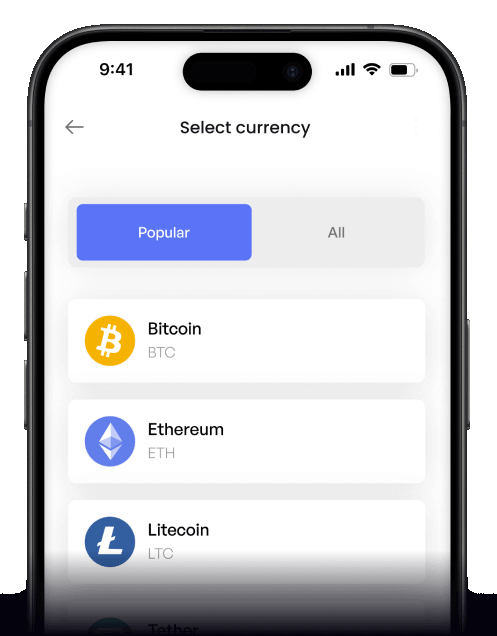
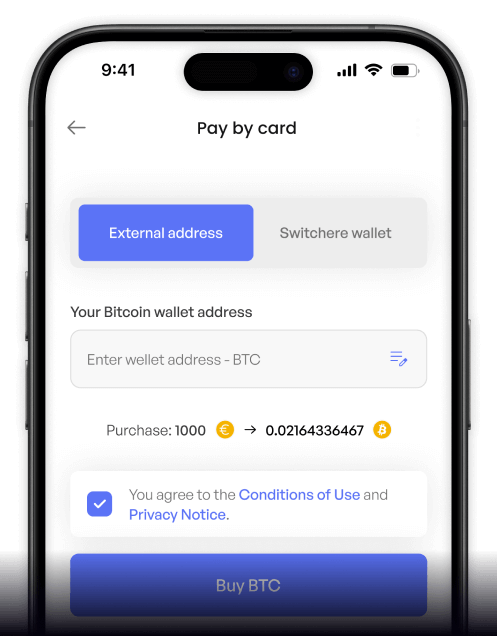
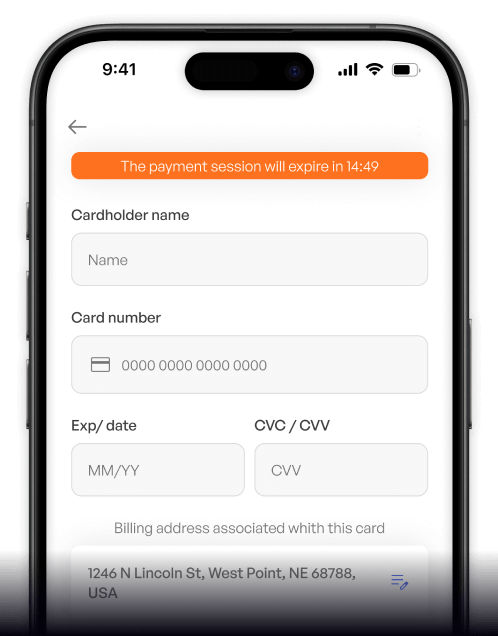
How to Buy CTC (CTC)
 Step-by-step guidance
 Easy credit card payments
 Streamlined purchase process
 Web
Web
Popular Coins for Hong Kong Dollar (HKD)





Other Coins for Hong Kong Dollar (HKD)









Frequently asked questions
-
What is the most efficient method for purchasing Creditcoin (CTC) using Hong Kong Dollars (HKD)?
The most direct way to buy the CTC digital asset with HKD is through a regulated cryptocurrency exchange that provides a direct HKD fiat on-ramp. Look for platforms that support local payment methods like the Faster Payment System (FPS) or bank transfers for seamless HKD deposits. Completing the platform's KYC/AML compliance process is a mandatory first step for secure trading. -
How does Creditcoin's focus on Real World Assets (RWA) affect the HKD/CTC trading pair?
Creditcoin functions as a Credit Recording Network, bringing tangible loan performance data onto the blockchain as a Real World Asset (RWA). For traders using HKD, this means the value of CTC is intrinsically linked to its utility in the uncollateralized lending market and its ability to build a transparent credit history. This contrasts with purely speculative digital assets, offering a value proposition based on real-world financial integration. -
What type of digital wallet is needed to securely store CTC after buying with HKD?
After your HKD to CTC transaction, secure storage is crucial. Creditcoin has its own mainnet and also exists as an ERC-20 token on Ethereum. Therefore, you need a digital wallet that supports the specific version you acquired. For mainnet CTC, use the official Creditcoin wallet. For the ERC-20 version, a wallet like MetaMask is suitable. Always verify the network before transferring your assets from an exchange. -
What are the common fees and settlement times associated with HKD to CTC conversions?
When converting HKD to CTC, expect two main types of fees on a cryptocurrency exchange: a deposit fee for your HKD (which can be minimal with FPS) and a trading fee (based on a maker-taker model). The settlement time for the trade itself is instant. However, withdrawing your CTC to an external wallet involves a blockchain transaction fee and a confirmation time dependent on the Creditcoin network's current traffic. -
How does the Proof-of-Credit mechanism differentiate CTC for someone investing from HKD?
Unlike typical consensus mechanisms, Creditcoin utilizes a Proof-of-Credit system. This mechanism is directly tied to the network's core function: verifying and recording credit transactions from partners like Gluwa. For an investor converting HKD, this means the network's security and block validation are linked to its real-world utility in building a decentralized credit market, not just computational power or staking weight.

Buy on the go
Anywhere. Anytime.
Buy crypto with your credit card from anywhere. Live rates, transparent fees, and 3D Secure on every order - the full Switchere card-buy experience in your pocket.



Scan to download the app iOS and Android

