Convert
Canadian Dollar (CAD) to Radiant Capital (RDNT) Instantly
Purchase Radiant Capital (RDNT) with Canadian Dollar (CAD) easily at Switchere and benefit from fast, secure transactions.
About
Radiant Capital (RDNT)
Radiant Capital (RDNT) stands as a pioneering omnichain money market designed to unify fragmented liquidity across disparate blockchain networks. Built upon the foundational LayerZero protocol, Radiant addresses a core challenge in decentralized finance (DeFi) by enabling users to deposit collateral on one chain, such as Arbitrum, and seamlessly borrow a different digital asset on another, like BNB Chain, all within a single, cohesive interface. This removes the need for traditional, often insecure, asset bridging, enhancing capital efficiency and user experience across the Web3 ecosystem.
The protocol’s architecture leverages cross-chain interoperability to create a truly unified lending and borrowing platform. The native utility token, RDNT, is central to its tokenomics. To participate in platform emissions generated from borrower interest fees and flash loans, users must become Dynamic Liquidity Providers (dLP) by locking RDNT tokens. This dLP model not only facilitates governance over the protocol's future but also incentivizes long-term liquidity provisioning, aligning user interests with the platform's health. By aggregating liquidity, Radiant Capital positions itself as a foundational piece of infrastructure for a more interconnected and fluid DeFi landscape, powered by advanced smart contracts and secure on-chain transactions.
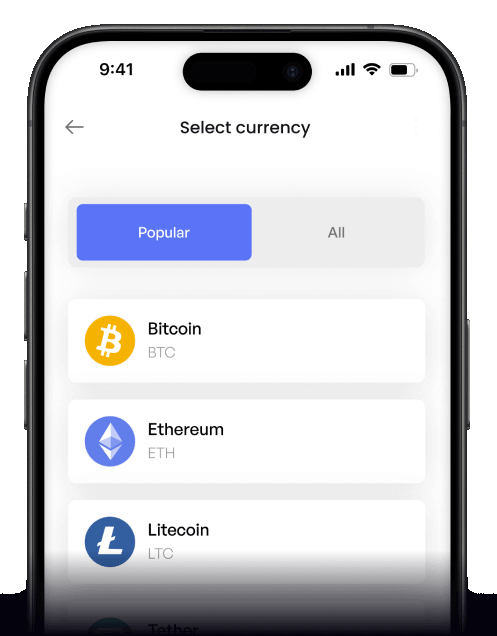
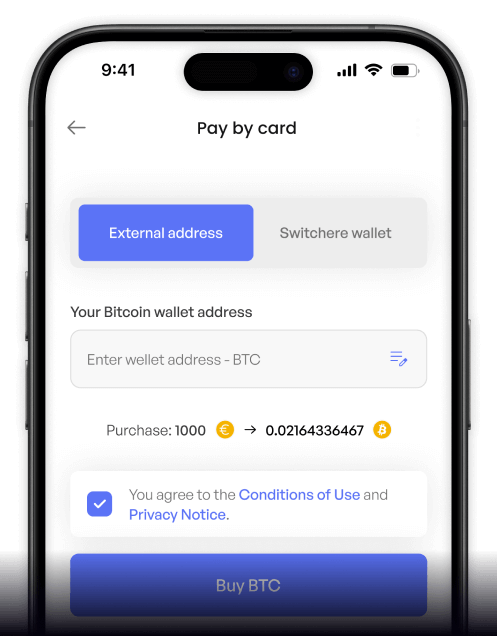
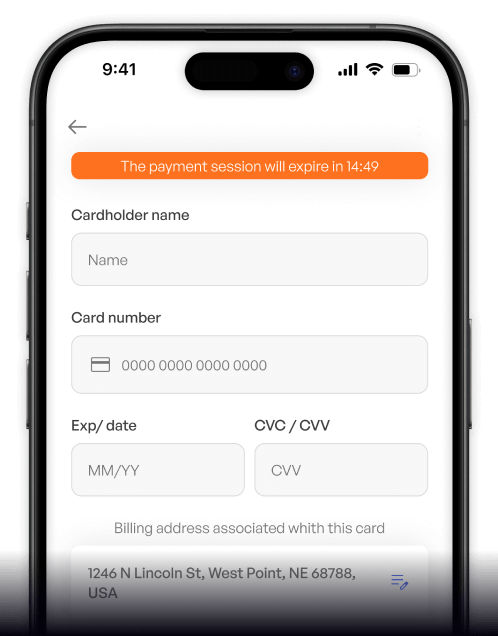
How to Buy Radiant Capital (RDNT)
Popular Coins for Canadian Dollar (CAD)
Other Coins for Canadian Dollar (CAD)
Frequently asked questions
-
What exactly is the CAD to RDNT trading pair?
The CAD to RDNT pair represents the direct purchase of Radiant Capital's native token (RDNT) using Canadian Dollars (CAD). This process acts as a fiat on-ramp, allowing you to convert your government-issued currency into a digital asset integral to a cross-chain money market protocol. RDNT is a key component of the decentralized finance (DeFi) ecosystem, specifically built on technologies like LayerZero to enable omnichain borrowing and lending. -
What are the common methods to buy RDNT using Interac e-Transfer in Canada?
To buy RDNT with CAD, you typically use a FINTRAC-regulated Canadian cryptocurrency exchange. The process involves creating an account, completing KYC/AML verification, and funding your account via Interac e-Transfer or an EFT from your Canadian bank account. Once funded, you can execute a spot trade for RDNT. After purchase, it is highly recommended to transfer your RDNT tokens to a secure, self-custody digital wallet that supports the Arbitrum or BNB Chain network. -
What makes Radiant Capital's cross-chain money market unique?
Radiant Capital's primary innovation is its omnichain money market, built upon LayerZero's messaging protocol. This allows users to deposit collateral on one blockchain (e.g., Arbitrum) and borrow assets on another (e.g., BNB Chain) seamlessly, without needing bridges. This consolidates fragmented liquidity across different chains into one efficient protocol, where RDNT token holders who engage in dynamic liquidity provisioning (dLP) can capture protocol fees. -
Are there network fees to consider when moving RDNT tokens after a CAD purchase?
Yes. After acquiring RDNT on an exchange, moving it to your personal wallet incurs a blockchain transaction fee, commonly known as a gas fee. Since RDNT is an omnichain fungible token (OFT) primarily on the Arbitrum and BNB Chain networks, the gas fee will depend on which network your tokens are on and the current network congestion. These fees are paid in the network's native currency (ETH for Arbitrum, BNB for BNB Chain) and are separate from any trading fees on the exchange. -
What is 'dynamic liquidity provisioning' (dLP) in the Radiant Capital ecosystem?
Dynamic Liquidity Provisioning (dLP) is a core mechanism in Radiant's tokenomics. To receive RDNT emissions from borrowing or lending activities, users must lock dLP tokens, which represent liquidity in a Balancer 80/20 RDNT/ETH pool. This model ensures that users receiving protocol rewards are also long-term stakeholders providing valuable liquidity to the protocol, aligning incentives between the protocol and its users.